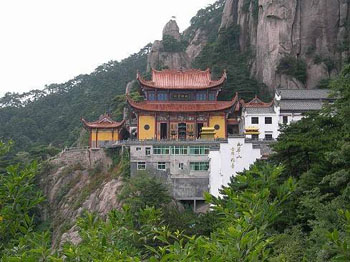
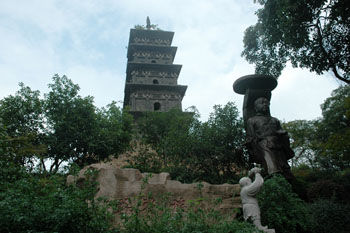
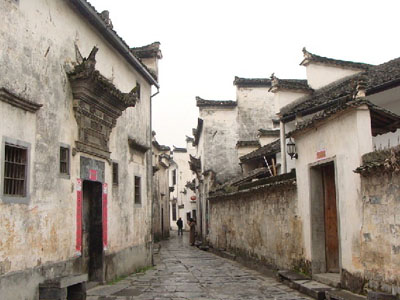
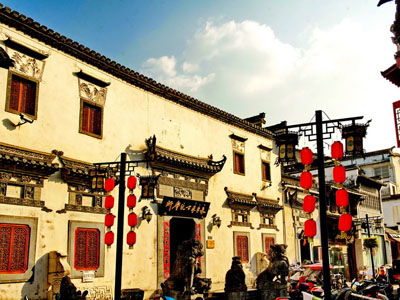
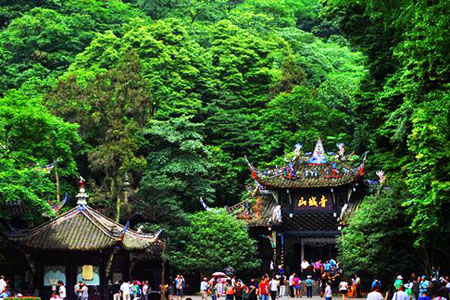
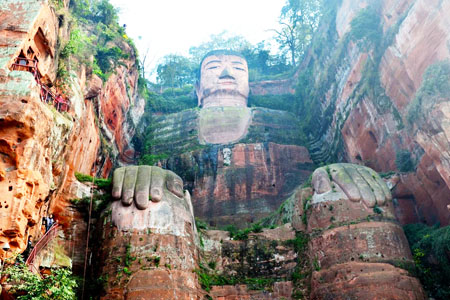
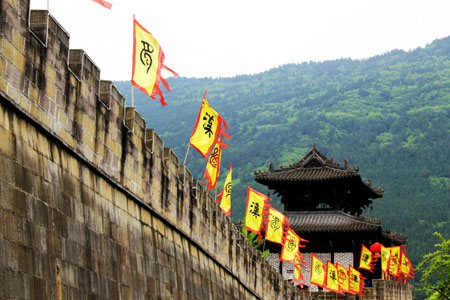
Located in Qingyang County, Anhui Province, eastern China, Mount Jiuhua (Jiuhuashan Mountain) is one of the most famous Buddhist mountains in China. Surrounded by forest-covered peaks, peaceful valleys, and ancient temples, Jiuhua Mountain is a place where natural beauty and Buddhist culture exist in perfect harmony.
When visitors arrive at the small town of Jiuhua early in the morning, they are welcomed by the sight of traditional Chinese Buddhist temples hidden among green mountains. The peaceful atmosphere is occasionally broken only by the chanting of Buddhist monks during their daily scripture ceremonies, creating a deeply spiritual and tranquil experience.
Experience the Sacred Buddhist Atmosphere of Mount Jiuhua
Entering the main hall of one of Jiuhua Mountain’s largest temples, visitors may witness a solemn Buddhist ceremony. Dozens of monks wearing traditional orange-yellow kasayas gather before a golden Buddha statue, kneeling with their palms together while chanting Buddhist scriptures.
The chanting is accompanied by traditional Buddhist instruments, including drums, wooden fish percussion blocks, small cymbals, and bronze bells. The hall is illuminated by candlelight, while the smoke of burning incense rises slowly from the incense burners, creating a sacred and peaceful atmosphere.
The devotion of the monks and the timeless rituals allow visitors to experience the profound spiritual traditions of Chinese Buddhism.
Jiuhua Mountain – One of China’s Four Sacred Buddhist Mountains
Buddhist culture has flourished on Mount Jiuhua for more than a thousand years. Since the fourth year of the Yonghui period of the Tang Dynasty (653 AD), the mountain has been an important place for Buddhist practices and religious activities.
Over the centuries, more than 300 temples were built on the mountain, and thousands of monks and nuns lived here. As the reputation of Jiuhua Mountain spread throughout China, countless pilgrims visited the mountain to worship and offer incense.
Today, Jiuhua Mountain is recognized as one of the Four Sacred Buddhist Mountains of China, together with:
* Mount Emei in Sichuan Province
* Mount Wutai in Shanxi Province
* Mount Putuo in Zhejiang Province
More than 76 ancient temples and over 6,000 Buddhist statues have been preserved, making Jiuhua Mountain an important center for Buddhist culture and research.
The most famous temples include:
* Huacheng Temple
* Qiyuan Temple
* Yuegong Hall
* Baisui Temple
These historic temples reflect the long development of Buddhism in China and attract visitors from around the world.
Natural Beauty of Mount Jiuhua
Covering an area of approximately 100 square kilometers, Mount Jiuhua features 99 peaks, among which nine are considered the most spectacular. These include:
* Shiwang Peak
* Tiantai Peak
* Lianhua Peak
Standing at 1,342 meters above sea level, Shiwang Peak is the highest peak of Jiuhua Mountain. Covered with lush vegetation and surrounded by misty clouds, it is praised as one of the most beautiful peaks in southeastern China.
Thanks to its mild climate, abundant rainfall, and fertile soil, Jiuhua Mountain is blessed with magnificent natural scenery. Visitors can enjoy:
* Dark green pine forests
* Emerald bamboo groves
* Cool caves and unusual rock formations
* Silver waterfalls
* Clear mountain streams
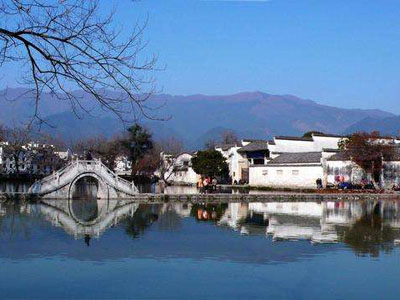
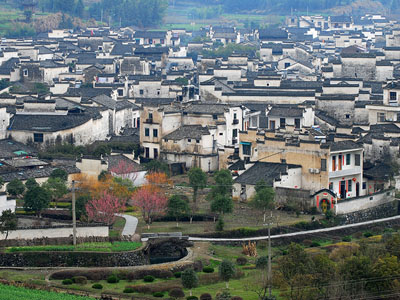
* Peaceful villages and fields
Together, these landscapes create a breathtaking natural painting combining mountains, forests, water, and traditional culture.
Jiuhua Mountain – A Living Museum of Buddhist Culture
Beyond its natural beauty, Mount Jiuhua is an important destination for studying Chinese Buddhism, Buddhist architecture, and religious history.
The mountain’s ancient temples, historical relics, and cultural sites provide valuable resources for understanding the development of Buddhism in China and its connections with Buddhist traditions around the world.
The ancient temple architecture also offers important examples for the study of traditional Chinese religious buildings.
As one of China’s Four Sacred Buddhist Mountains and an important international Buddhist cultural exchange center, Mount Jiuhua remains a destination where visitors can experience faith, history, nature, and tranquility together.
Why Visit Mount Jiuhua?
Mount Jiuhua is an ideal destination for travelers interested in Chinese Buddhist culture, ancient temples, mountain scenery, and spiritual journeys. Whether exploring historic monasteries, watching traditional Buddhist ceremonies, hiking through peaceful forests, or enjoying the spectacular mountain landscape, visitors can discover a unique side of China’s cultural heritage.
For travelers exploring Anhui Province and Huangshan region, Jiuhua Mountain offers an unforgettable combination of natural beauty and profound Buddhist traditions.