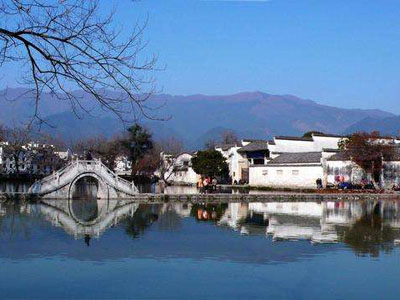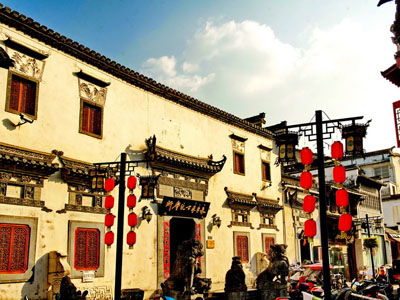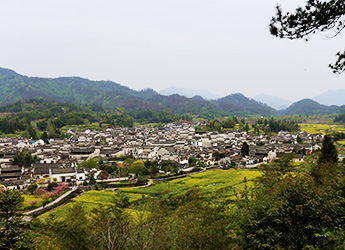
Xidi Village is located at the southern foot of Mount Huangshan in Anhui Province, China. Originally known as Xichuan or Xixi, the village received its name because three streams flow through the area from east to west. Later, due to the presence of an ancient postal relay station on the western side of the village, it was renamed Xidi.
With a history of nearly 1,000 years, Xidi Village is one of the best-preserved ancient villages in China and an outstanding representative of Huizhou culture. The village was established during the Huangyou period of the Northern Song Dynasty, developed significantly during the Ming Dynasty, and reached its peak prosperity during the early Qing Dynasty.
During the Ming and Qing dynasties, local merchants, known as Huizhou merchants, achieved great economic success and invested heavily in their hometown. They built magnificent residences, ancestral halls, roads, and bridges, creating the unique architectural landscape that visitors can still admire today.
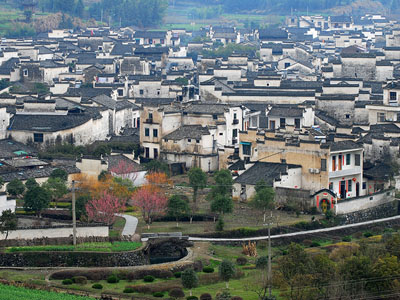
Today, more than 100 ancient residential buildings remain in Xidi Village, preserving the traditional appearance and features of the historic Huizhou settlement.
Xidi Village – A Living Museum of Huizhou Architecture
Xidi is a traditional clan-based village where the Hu family has lived for generations. The village layout, ancestral halls, and residential buildings reflect the importance of family traditions and Confucian culture in ancient China.
One of the most famous landmarks in Xidi is the Hu Wenguang Memorial Archway, a magnificent green stone archway with three sections, four pillars, and five levels. Built during the Wanli period of the Ming Dynasty, the archway features exquisite craftsmanship and elegant carvings. Its impressive design symbolizes the achievements and social status of the Hu family.
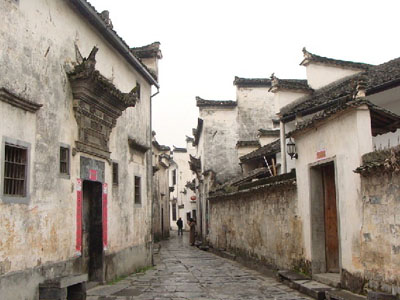
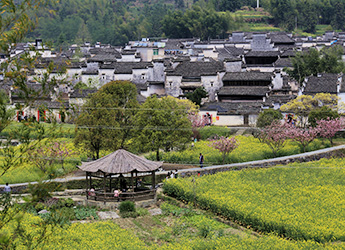
The village contains nearly 300 ancient buildings from the Ming and Qing dynasties, most of which feature the distinctive Hui-style architectural style. These buildings are famous for their elegant white walls, black-tiled roofs, delicate brick carvings, wooden sculptures, and stone carvings.
 Historic Attractions in Xidi Village
Many important historic residences and gardens in Xidi have been preserved and opened to visitors, including:
* Lingyun Pavilion
* Cishi Mansion
* Ruiyu Pavilion
* Taoli Garden
* East Garden
* West Garden
* Daifu Mansion
* Jing’ai Hall
* Lvfu Hall
* Qingyun House
* Yinfu Hall
Each building reflects the artistic achievements and lifestyle of ancient Huizhou families. The exquisite decorations, traditional courtyards, and elegant gardens provide visitors with a glimpse into the history and culture of ancient China.
Why Visit Xidi Village?
Xidi Village is an ideal destination for travelers interested in Chinese history, traditional architecture, and cultural heritage. Together with nearby Hongcun Village, Xidi represents the best of Huizhou ancient villages and showcases the unique charm of Anhui’s traditional lifestyle.
Walking through the narrow stone lanes, visiting ancient residences, and admiring the delicate carvings allow visitors to experience the beauty of a historic Chinese village that has survived for centuries.
For travelers exploring Huangshan Mountain and Anhui Province, Xidi Village offers a perfect combination of history, architecture, and authentic local culture.
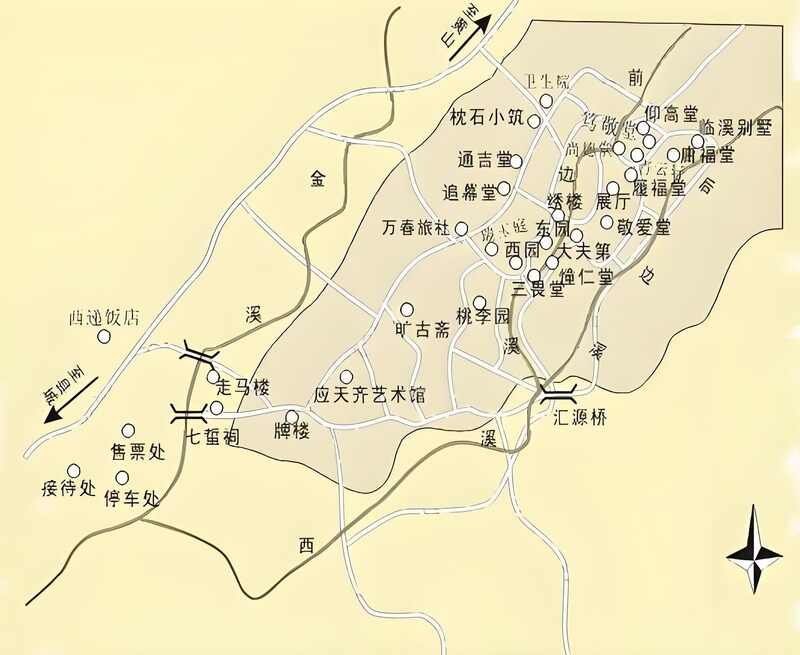
Tour Map of Xidi Villate:
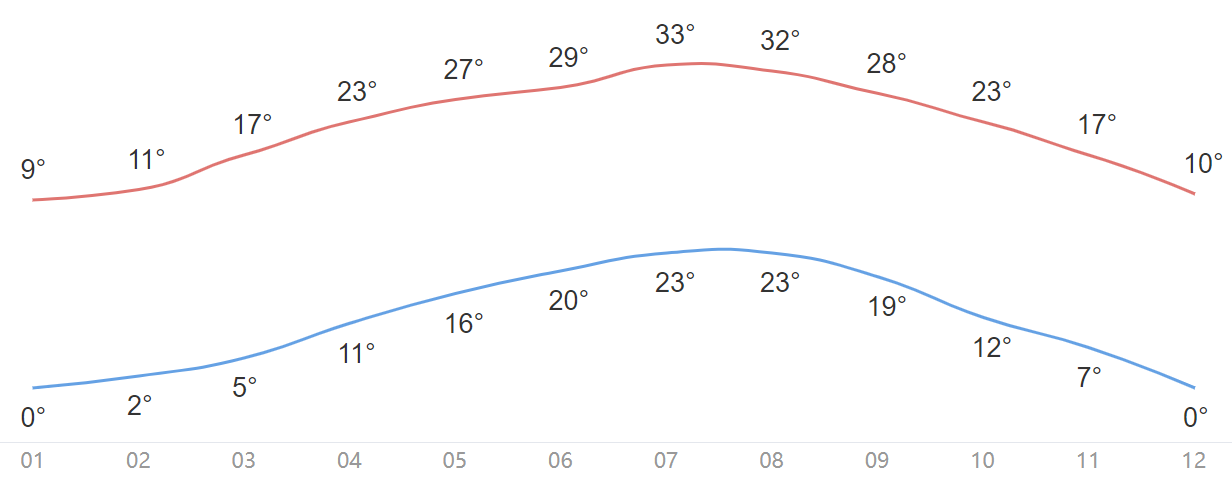
Weather of Huangshan City: