





Explore Burqin in northern Xinjiang, the gateway to Kanas Lake. Discover Altai Mountains, mysterious alpine scenery, autumn landscapes, and travel tips.......
Xinjiang Tours
Xinjiang Tour – Explore China's Silk Road Wonderland
A Xinjiang Tour takes you to China's largest region, covering vast deserts, snow-capped mountains, beautiful lakes, ancient Silk Road cities, and unique ethnic cultures. Located in northwest China, Xinjiang is divided into North Xinjiang, known for its alpine scenery and stunning lakes, and South Xinjiang, famous for Uyghur culture, ancient cities, deserts, and Silk Road heritage.
Explore the best of Xinjiang with tours to Urumqi, Turpan, Kashgar, Kuqa, Hami, and more. Discover the breathtaking Tianshan Mountains, Heavenly Lake, Kashgar Old City, ancient ruins, colorful bazaars, and spectacular desert landscapes. From short city excursions to 10-day adventure journeys, our Xinjiang Tours offer unforgettable experiences combining nature, history, and culture.
Why make tour in Xinjiang?
Tour map of Xinjiang Why make tour in Xinjiang?
Xinjiang, in northwestern China, is a land of extraordinary contrasts, where snow-capped mountains, vast deserts, turquoise lakes, and ancient Silk Road cities create some of the country's most spectacular travel experiences. Home to diverse ethnic communities, including Uyghurs, Kazakhs, and other groups, Xinjiang is renowned for its distinctive cultures, Islamic architecture, traditional bazaars, and delicious regional cuisine. From the historic streets of Kashgar to the majestic Tianshan Mountains and the remote Pamir Plateau, Xinjiang offers an unforgettable journey through China's far west.
9 Reasons to Visit Xinjiang
1. Discover the Ancient Silk Road in Kashgar
Explore Kashgar Old City, one of the region's most fascinating historic districts. Wander through traditional Uyghur neighborhoods, admire intricately decorated doorways, browse lively bazaars, and experience the legacy of the ancient Silk Road, where traders and travelers once connected China with Central Asia.
2. Admire the Spectacular Tianshan Mountains
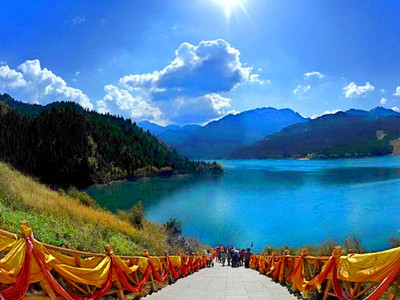
Discover the dramatic landscapes of the Tianshan Mountains, with their snow-covered peaks, alpine meadows, glaciers, and crystal-clear lakes. Visit Tianchi (Heavenly Lake) for beautiful mountain reflections and peaceful scenery surrounded by forests and high peaks.
3. Experience the Turquoise Waters of Kanas Lake
Travel to Kanas Lake, a breathtaking destination in northern Xinjiang known for its emerald forests, mountain scenery, and changing seasonal colors. Autumn is particularly spectacular, when golden birch trees and colorful woodlands surround the lake.
4. Journey Along the Legendary Karakoram Highway
Take an unforgettable road trip along the Karakoram Highway toward the Pamir Plateau. The route passes dramatic mountain ranges, deep valleys, and traditional settlements, with highlights including Karakul Lake and magnificent views of the surrounding high peaks.
5. Explore the Vast Taklamakan Desert
Experience the immense scale of the Taklamakan Desert, one of the world's largest sandy deserts. Golden dunes, remote desert highways, and the historic oasis towns along its edges offer remarkable opportunities for photography, adventure travel, and discovering the challenges of life along ancient trade routes.
6. Experience Uyghur Culture and Traditional Bazaars
Discover Xinjiang's vibrant cultural heritage through traditional music, dance, handicrafts, and bustling markets. In Kashgar and other historic cities, visitors can explore local bazaars selling textiles, carpets, dried fruits, spices, and handmade crafts while learning about the region's long-standing connections with Central Asia.
7. Taste Xinjiang's Distinctive Cuisine
Xinjiang is famous for its rich and flavorful food culture. Try hand-pulled noodles, lamb kebabs, polo (Uyghur-style rice pilaf), baked naan bread, samsa pastries, and the region's renowned sweet melons and grapes. Its cuisine reflects a blend of Central Asian traditions and local ingredients.
8. Discover the Ancient Cities of Turpan
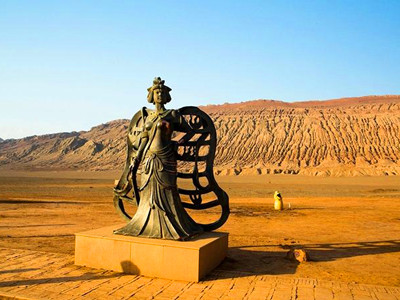
Visit Turpan, an oasis city along the ancient Silk Road, known for its desert landscapes, vineyards, and remarkable historical sites. Explore the ruins of Jiaohe Ancient City and learn about the ingenious Karez underground irrigation system that has supported agriculture in this arid region for centuries.
9. Experience Nomadic Landscapes and Grasslands
Travel through the expansive grasslands of northern Xinjiang, where rolling pastures, grazing horses, traditional yurts, and snow-capped mountains create beautiful scenery. Areas around the Ili Valley are particularly appealing in late spring and summer, when wildflowers cover the meadows and the landscape turns lush gre
Best Time to Visit Xinjiang
April–May: Spring flowers, blossoming orchards, and fresh green landscapes, especially around the Ili Valley.
June–August: Ideal for mountain scenery, alpine grasslands, and outdoor adventures, although some desert destinations can be extremely hot.
September–October: Excellent for autumn colors in Kanas, clear mountain views, and comfortable conditions for many sightseeing routes.
November–March: Winter landscapes and snow activities in selected areas, but temperatures can be very low and some routes less convenient.
Xinjiang is vast, so the best season depends on the itinerary. Northern Xinjiang is particularly attractive for lakes and grasslands, while southern Xinjiang offers rich Silk Road heritage and desert scenery.
How Long Should You Stay?
Allow 7–10 days to explore a major part of Xinjiang, such as Urumqi, Heavenly Lake, Turpan, and Kashgar. For a more comprehensive journey combining northern Xinjiang's lakes and grasslands with southern Xinjiang's historic cities and the Pamir Plateau, plan 12–16 days or longer, depending on road conditions and travel pace.
Xinjiang is ideal for travelers seeking dramatic landscapes, ancient Silk Road history, distinctive ethnic cultures, and adventurous overland journeys. Its immense distances and changing scenery make it particularly rewarding for road trips, photography tours, and cultural explorations. From the lush mountains of the north to the deserts and historic oasis cities of the south, Xinjiang reveals a remarkable and diverse side of China.

Xinjiang Tour Photoes:




More Xinjiang tours products below, and please contact us for customized Xinjiang tour service.
Xinjiang Tours
Tours and Activities
-
 RECOMMENDED2 Days Traditional Urumqi and Turpan ToursFrom:$.00
-
 RECOMMENDED4 Days Turpan Shanshan and Urumqi ToursFrom:$.00
-
 RECOMMENDED3 Days Classic Hami ToursFrom:$.00
-
 RECOMMENDED4 Days Mysterious Hami Exploration ToursFrom:$.00
-
 RECOMMENDED4 Days Classic Kuqa Tours on Silk RoadFrom:$.00
-
 RECOMMENDED2 Days Culture Tours of KashgarFrom:$.00
-
 RECOMMENDED7 Days Best Xinjiang Tours of Hami Turpan KashgarFrom:$.00
-
 5 Days Kashgar and Txkorgan Tours in South XinjiangFrom:$.00
-
 RECOMMENDED5 Days Classic Kashgar and Kuqa Tours in Southern XinjiangFrom:$.00
-
6 Days Duku Highway Tours from Urumqi to KuqaFrom:$.00
-
 7 Days South Xinjiang Tours of Taklimakan Desert AroundFrom:$.00
-
 RECOMMENDED8 Days Kanasi Lake tours in North XinjiangFrom:$.00
-
 RECOMMENDED7 Days Highlights of All Xinjiang ToursFrom:$.00
Recommended Attractions
Turpan Travel Guide
Turpan travel guide is to explore Turpan, Xinjiang’s famous Silk Road oasis. Discover Jiaohe Ruins, Karez Wells, Grape Valley, Flaming Mountains, climate tips, and transportation information.......

Urumqi Travel Guide
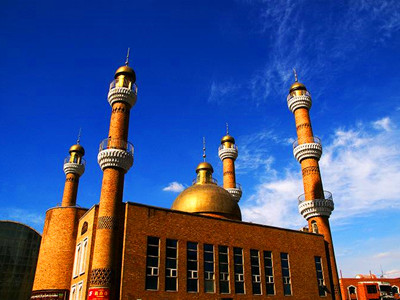
Urumqi travel guide is to explore Urumqi, the capital of Xinjiang. Discover Tianchi Lake, Xinjiang Museum, Silk Road culture, transportation options, and the best things to do in Urumqi China.......
Red Hill Park
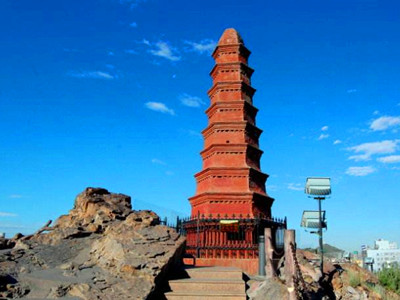
Visit Red Hill Park in Urumqi, Xinjiang. Enjoy panoramic city views, Tianshan mountain scenery, Zhenlong Pagoda, local legends, and a relaxing urban escape.......
Tianchi Heaven Lake
Discover Heaven Lake of Tianshan (Tianchi Lake) near Urumqi, a stunning alpine lake surrounded by snow mountains, forests, hiking trails, and Kazakh culture.......
Explore places you want to visit here

- Beijing Tours
- Beihai Tours
- Chengdu Tours
- Chongqing Tours
- Changsha Tours
- Chaozhou Tours
- Dali Tours
- Dalian Tours
- Dunhuang Tours
- Datong Tours
- Enshi Tours
- Fuzhou Tours
- Guilin Tours
- Guiyang Tours
- Guangzhou Tours
- Haerbin Tours
- Hangzhou Tours
- Hohhot Tours
- Hulun Buir Tours
- HongKong Tours
- Huangshan Tours
- Jilin Tours
- Jiangxi Tours
- Jinan Tours
- Jinggangshan Tours
- Jiuzhaigou Tour
- Kashgar Tours
- Kaifeng Tours
- Kaili Tours
- Kunming Tours
- Lanzhou Tours
- Lijiang Tours
- Luoyang Tours
- Nanchang Tours
- Nanjing Tours
- Putuoshan Tours
- Pingyao Tours
- Qinghai Tours
- Qingdao Tours
- Qinhuangdao Tours
- Sanya Tours
- Shanghai Tours
- Shenyang Tours
- Shandong Tours
- Suzhou Tours
- Shenzhen Tours
- Shangri-La Tours
- Tibet Tours
- Tianshui Tours
- Tianjin Tours
- Taiyuan Tours
- Urumqi Tours
- Wuyishan Tours
- Wutaishan Tours
- Wudangshan Tours
- Wuhan Tours
- Xiamen Tours
- Xishuangbanna Tours
- Xi'an Tours
- Xining Tours
- Xinjiang Tours
- Xingyi Tours
- Yinchuan Tours
- Yichang Tours
- Yunnan Tours
- Zhangjiajie Tours
- Zhanjiang Tours
- Zhangye Tours
Don’t Find the Favorate one?
Here, write down your interests and special requirements,
our tour expert will offer you the best advice.
Now get started your adventure in China!

