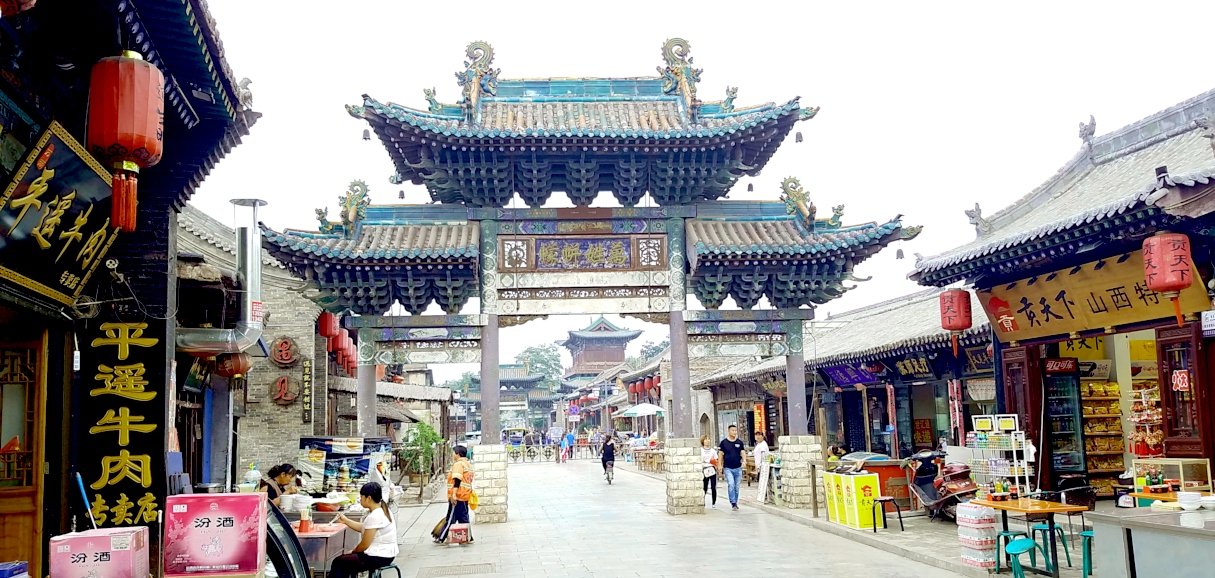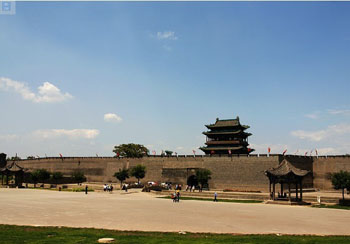
Pingyao Ancient City (平遥古城), located in central Shanxi Province, is one of the best-preserved ancient towns in China and a remarkable example of traditional Chinese urban planning and architecture. Unlike many historic cities that have been transformed by modernization, Pingyao has retained its original layout, streets, city walls, temples, and traditional courtyard residences, offering visitors an authentic glimpse into China’s past.
The ancient city was originally established during the reign of King Xuan of the Western Zhou Dynasty (827–782 BC) and has served as a county seat for more than 2,000 years. Today, much of Pingyao remains similar to its appearance during the Ming (1368–1644) and Qing (1644–1911) dynasties.
In 1997, the Old Town of Pingyao was inscribed as a UNESCO World Heritage Site for its outstanding preservation of traditional Han Chinese architecture and its historical importance in the development of China’s financial system.
Historical Significance of Pingyao
Pingyao is famous for three major cultural treasures:
* Pingyao Ancient City Wall
* Zhenguo Temple
* Shuanglin Temple
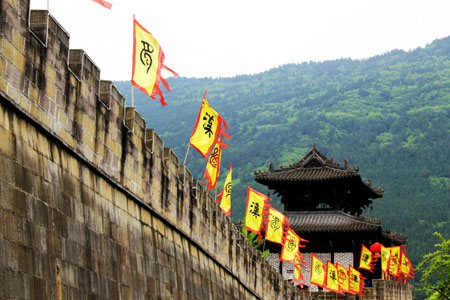
The ancient city wall was originally built with rammed earth and was rebuilt with bricks in 1370 during the Ming Dynasty under Emperor Hongwu. Extending for approximately six kilometers, the wall remains one of the most complete ancient city defenses in China.
The wall’s design reflects the influence of Confucian culture. The 3,000 battlements are said to represent the number of disciples of Confucius, while the 72 watchtowers symbolize his most outstanding followers. During the Qing Dynasty, the Kuixing Pavilion was added to the southeast corner of the wall, representing the city’s thriving cultural traditions.
Birthplace of China’s Early Banking System
Beyond its architectural heritage, Pingyao holds an important place in China’s financial history. During the Ming and Qing dynasties, Shanxi merchants developed extensive commercial networks throughout China and overseas. Pingyao became the center of this economic activity and the birthplace of China’s earliest form of modern banking.
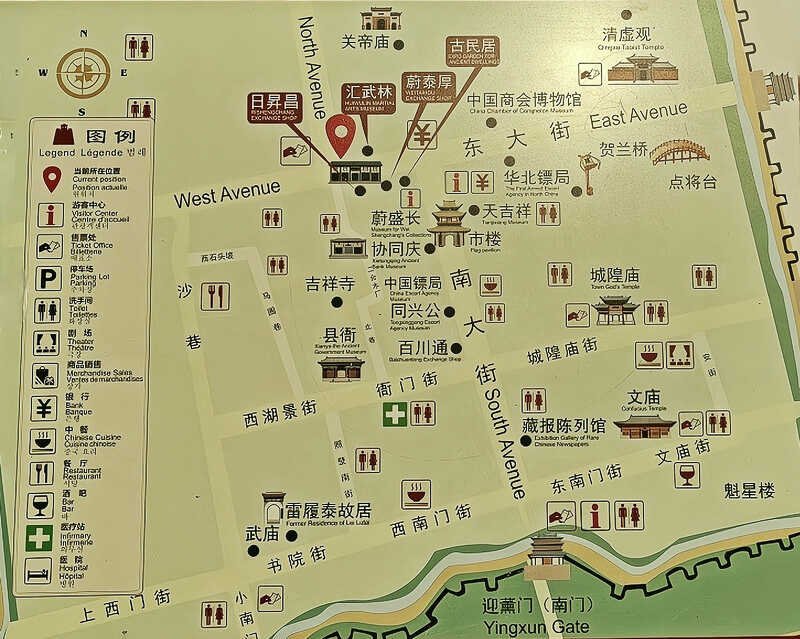
In 1824, the Rishengchang Exchange Shop (Rishengchang Piaohao) was established on Xidajie Street. It was the first major draft bank in China and introduced a system for transferring money between different regions.
Following its success, more than 20 other exchange shops opened in Pingyao, turning the city into China’s leading financial center during the 19th century. Rishengchang later expanded its business to cities across China and even overseas locations such as Japan, Singapore, and Russia.
Today, visitors can explore the former Rishengchang site to learn about the origins of Chinese banking and the commercial achievements of Shanxi merchants.
Traditional Architecture and City Layout
Pingyao Ancient City was designed according to traditional Chinese urban planning principles. The city follows a symmetrical layout centered around its main streets, with four major roads, eight smaller streets, and 72 lanes forming a well-organized grid system.
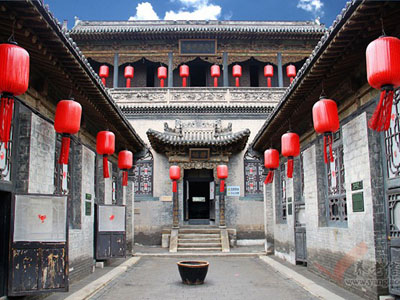
The residential buildings are mainly traditional courtyard houses and local cave-style dwellings, reflecting the architectural characteristics of northern China. The city still preserves nearly 4,000 traditional courtyard residences, with hundreds remaining in excellent condition.
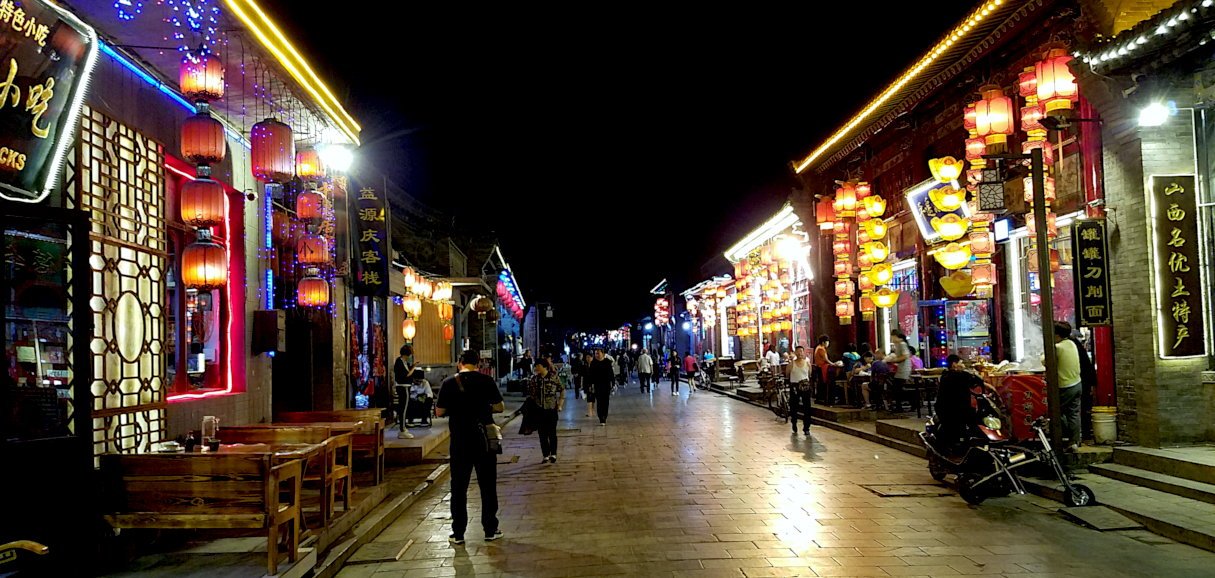
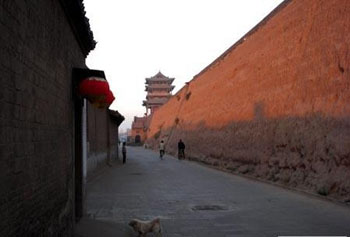
Walking through Pingyao’s ancient streets, visitors can discover historic shops, temples, inns, and residential compounds that recreate the atmosphere of a prosperous commercial city during the Ming and Qing periods.
 Major Attractions in Pingyao
Pingyao Ancient City Wall
The city wall is the most iconic landmark of Pingyao. Visitors can walk along the top of the wall to enjoy panoramic views of the ancient town and appreciate the defensive design of this centuries-old structure.
Zhenguo Temple
Located northeast of the ancient city, Zhenguo Temple was originally built more than 1,000 years ago. Its Hall of Ten Thousand Buddhas (Wanfo Hall) is one of the oldest surviving wooden structures in China.
The temple is especially famous for its colorful painted sculptures from the Five Dynasties period (907–960), which are considered valuable examples of ancient Chinese religious art.
Shuanglin Temple
Situated southwest of Pingyao, Shuanglin Temple is known as the “Treasure House of Painted Sculptures.” Rebuilt during the Northern Qi Dynasty (550–577), the temple contains more than 2,000 painted clay statues created from the Yuan to Ming dynasties.
The detailed expressions and artistic techniques of these sculptures make Shuanglin Temple one of China’s most important Buddhist art sites.
Confucius Temple and Qingxu Temple
The Temple of Confucius features the Hall of Great Achievements (Dacheng Hall), reconstructed in 1163, while Qingxu Temple, originally built in 657, represents the long history of Taoist culture in Pingyao.
Together, these temples reflect the religious and cultural diversity that shaped the ancient city.
Famous Historical Figures from Pingyao
Pingyao has produced many influential scholars and cultural figures throughout Chinese history. Among them are:
* Sun Sheng, a respected historian known for maintaining integrity despite political pressure.
* Sun Chuo, a famous Eastern Jin Dynasty poet and scholar.
* Hou Wailu, an important modern Chinese historian.
* Wang Yao and Hou Jingyi, notable figures in Chinese literature and linguistics.
Their achievements demonstrate Pingyao’s long tradition as a center of education and culture.
Legends of Pingyao Ancient City
One of the most touching legends of Pingyao concerns the “Maiden’s Wall” on the city ramparts. According to local folklore, a young girl once saved a tired worker from falling off the wall but sacrificed her own life in the process. To honor her kindness and courage, workers built a smaller protective wall section in her memory.
The story has become part of Pingyao’s cultural heritage, symbolizing compassion and humanity.
Visiting Pingyao Ancient City
Pingyao Ancient City is an ideal destination for travelers interested in Chinese history, traditional architecture, ancient commerce, and local culture. Strolling through its old streets, visiting historic temples, and exploring traditional courtyards allow visitors to experience the atmosphere of China’s past centuries.
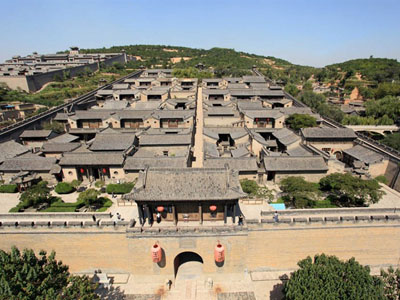
Together with nearby attractions such as Qiao Family Compound and Wang Family Compound, Pingyao offers one of the best cultural travel experiences in Shanxi Province.