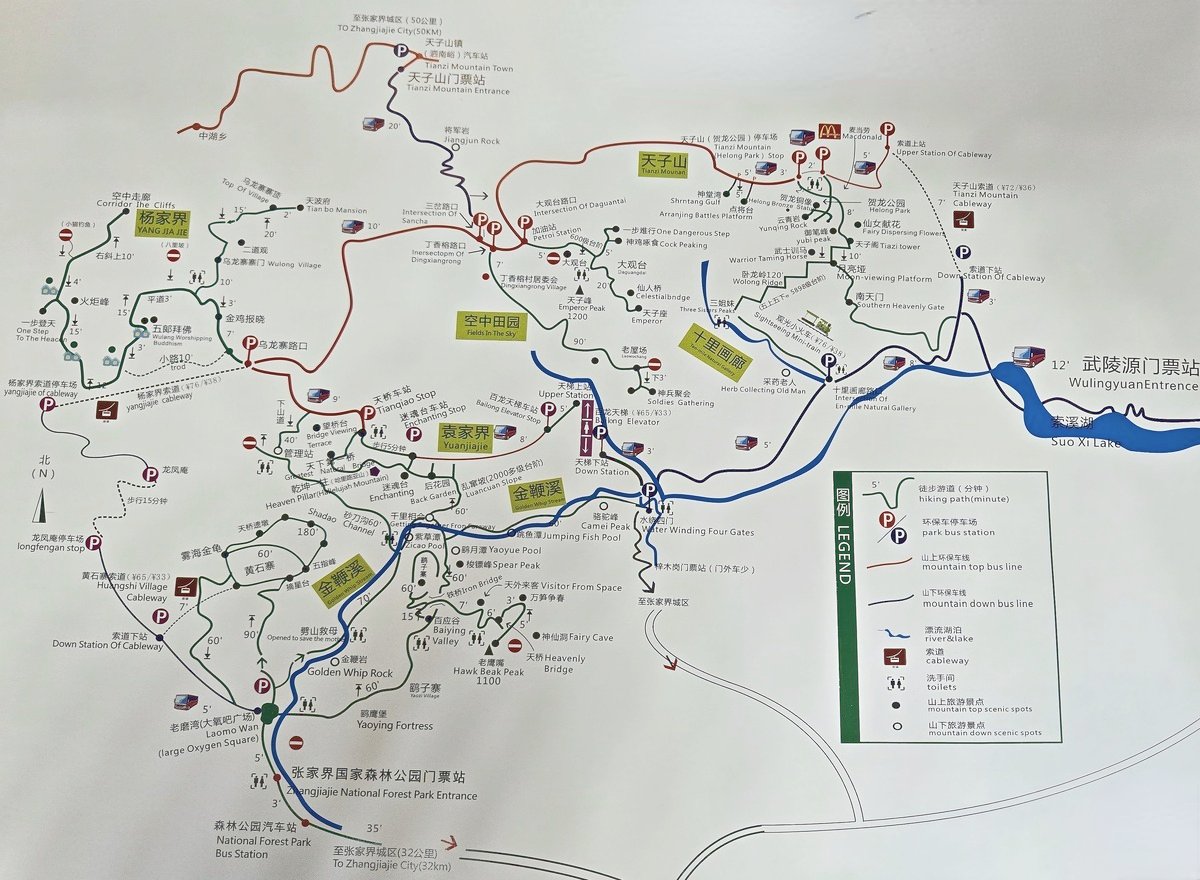
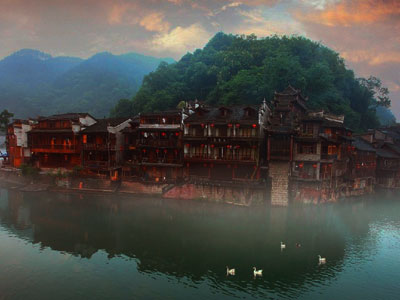
 Located in the northwest of Hunan Province, China, Zhangjiajie is one of the most famous natural tourism destinations in China, renowned for its breathtaking quartz sandstone peak forest landscape, deep valleys, clear streams, and rich biodiversity.
The city became internationally famous because of its unique geological formations, which create a landscape of towering stone pillars, mist-covered mountains, and dramatic cliffs. The scenery has often been described as a natural masterpiece and inspired visitors from around the world.
The name Zhangjiajie is closely associated with Wulingyuan Scenic Area, which includes:
* Zhangjiajie National Forest Park
* Tianzi Mountain Nature Reserve
* Suoxi Valley Nature Reserve
* Yangjiajie Scenic Area
Covering approximately 264.6 square kilometers, Wulingyuan is recognized as:
* A UNESCO World Natural Heritage Site
* One of the world’s first Global Geoparks
* A National 5A-rated Tourist Attraction in China
History and Recognition of Zhangjiajie
In 1984, the name “Wulingyuan” was officially introduced for the scenic areas of Zhangjiajie, Suoxi Valley, and Tianzi Mountain.
Important milestones include:
* 1982 – Zhangjiajie National Forest Park became China’s first national forest park.
* 1988 – Wulingyuan was listed as a National Key Scenic Area.
 * 1992 – Wulingyuan Natural Scenic Area was inscribed on the UNESCO World Natural Heritage List.
* 2004 – Zhangjiajie became one of China’s first World Geoparks.
* 2007 – Wulingyuan was included among China’s first group of 5A-rated tourist attractions.
Today, Zhangjiajie is one of China’s most iconic destinations for nature lovers, photographers, and outdoor enthusiasts.
Zhangjiajie Wulingyuan Scenic Area – A UNESCO Natural Wonder
Although the name Zhangjiajie refers to the entire city, international visitors usually associate it with Wulingyuan Scenic Area, the region’s most spectacular natural attraction.
The landscape features:
* Thousands of sandstone peaks
* Deep canyons
* Ancient forests
* Waterfalls and streams
* Limestone caves
* Rare plants and animals
Unlike many artificial attractions, Zhangjiajie’s scenery has remained largely untouched by human development. Its unique combination of mountains, forests, clouds, and water creates a landscape often described as a natural art gallery.
 The Unique Quartz Sandstone Peak Forest Landscape
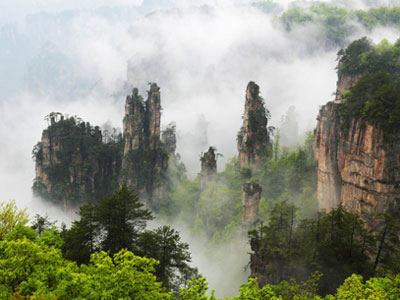
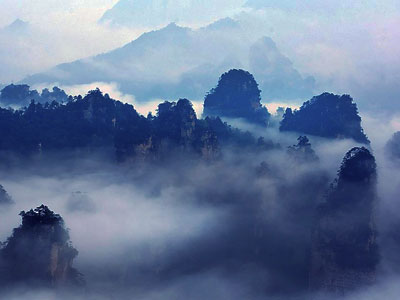
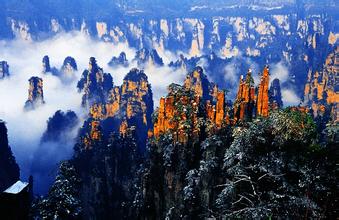
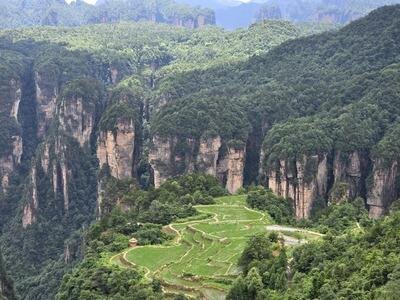
The most remarkable feature of Zhangjiajie is its rare quartz sandstone peak forest, which is rarely found anywhere else in the world.
Within Wulingyuan’s vast area, there are more than 3,000 sandstone peaks, with elevations generally ranging from 500 to 1,100 meters above sea level.
The peaks appear in countless forms, resembling:
* People
* Animals
* Mythical creatures
* Towers
* Sculptures
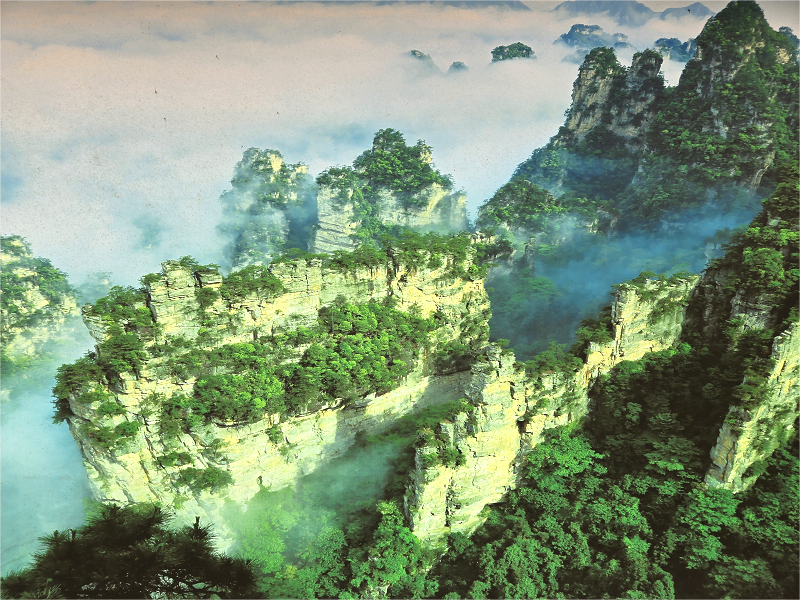
During rainy days, clouds and mist surround the mountains, creating a dreamlike atmosphere where peaks appear and disappear among the sea of clouds.
This extraordinary landscape has made Zhangjiajie one of the world’s most unique geological wonders.
Rivers, Waterfalls and Caves of Zhangjiajie
Besides magnificent mountains, Zhangjiajie is also famous for its beautiful waterways.
The region is said to contain hundreds of rivers and streams, with numerous:
* Waterfalls
* Springs
* Lakes
* Pools
* Canyons
Golden Whip Stream
Golden Whip Stream is one of the most popular attractions in Zhangjiajie.
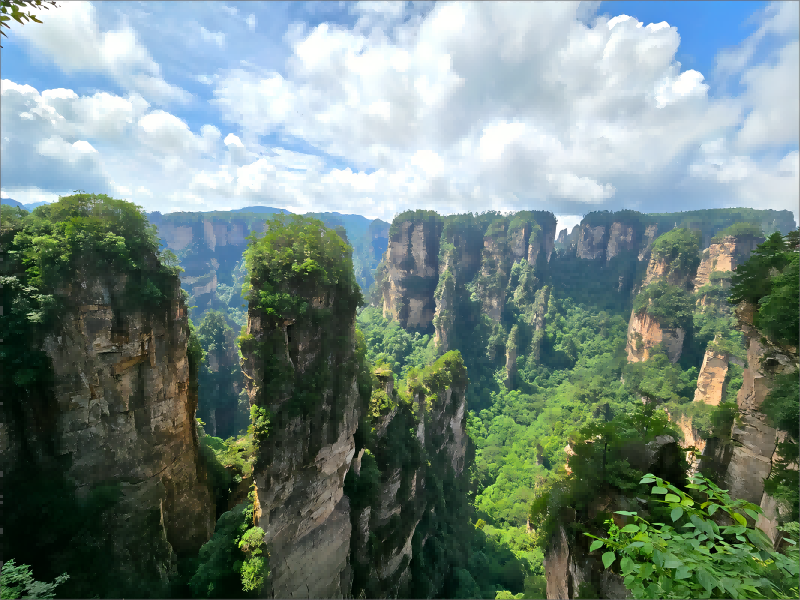
Stretching for more than 10 kilometers, the stream flows through a spectacular canyon surrounded by cliffs and forests. The clear water, fresh air, and peaceful environment make it one of the best places for walking and enjoying nature.
 Huanglong Cave
Zhangjiajie is also famous for its impressive karst caves.
The most famous is Huanglong Cave, which has a total length of about 7.5 kilometers and contains:
* Underground rivers
* Stalactites
* Stone pillars
* Large chambers
The cave’s unique geological formations make it one of the most popular underground attractions in Wulingyuan.
Rich Biodiversity of Zhangjiajie
Zhangjiajie is not only famous for scenery but also for its remarkable biodiversity.
The region has a forest coverage rate of approximately 74.75% and preserves important natural ecosystems.
More than 3,000 species of higher plants grow here, including rare protected plants such as:
* Dove tree (Davidia involucrata)
* Wuling pine
The area is also home to many rare animals, including:
* Macaques
* Chinese giant salamanders
* Other protected wildlife species
Because of its ecological value, Zhangjiajie is often regarded as a natural treasure house of biodiversity.
Weather and Cloud Landscapes
The changing weather of Zhangjiajie creates some of the most beautiful natural scenes in China.
The most famous meteorological phenomenon is the sea of clouds, which appears especially after rainfall.
Visitors may see:
* Clouds surrounding mountain peaks
* Mist flowing through valleys
* Peaks emerging above the clouds
* Cloud waterfalls cascading between mountains
These scenes create a magical atmosphere similar to a traditional Chinese landscape painting.
 Main Attractions in Zhangjiajie Wulingyuan Scenic Area
Tianzi Mountain Scenic Area
Located in the northern part of Wulingyuan, Tianzi Mountain Scenic Area covers about 67 square kilometers.
The highest peak, Kunlun Peak, reaches 1,262.5 meters.
Tianzi Mountain is famous for:
* Endless sandstone peaks
* Cloud seas
* Sunrise views
* Panoramic mountain landscapes
The area is named after Xiang Dakun, a legendary leader of the Tujia people during the late Southern Song Dynasty.
Popular viewpoints include:
* Tianzi Island
* Imperial Brush Peak
* Longji Rock
Yangjiajie Scenic Area
Discovered as a new scenic area in 1992, Yangjiajie is located in the northwest part of Zhangjiajie.
Covering about 3,400 hectares, the area features:
* Steep cliffs
* Narrow valleys
* Unique rock formations
* Beautiful forests
According to local legend, the area was connected with the Yang family military clan from the Northern Song Dynasty.
Famous sites include:
* Tianbo Mansion
* Liulang Bay
* Qilang Bay
* Zongbao Bay
Suoxi Valley Scenic Area
Suoxi Valley features more than:
* 2,000 peaks
* 19 valleys
* 6 streams
Major attractions include:
* Shili Gallery
* Yuanyang Waterfall
* South Heavenly Gate
* Huanglong Cave
The valley combines mountains, rivers, forests, and caves, making it an essential part of the Wulingyuan experience.
Other Attractions Around Zhangjiajie
Besides Wulingyuan, Zhangjiajie also offers many other scenic destinations:
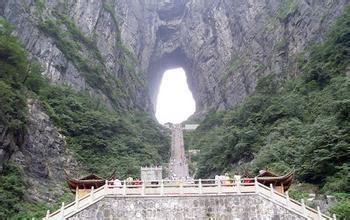
Tianmen Mountain National Forest Park
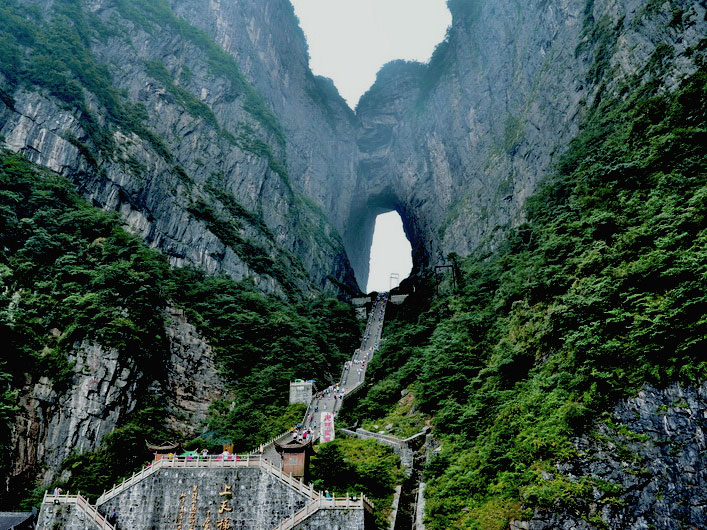
Known as the “Soul of Wuling,” Tianmen Mountain is famous for:
* Tianmen Cave
* Glass skywalk
* Mountain cableway
* Stunning cliff views
Badagong Mountain National Nature Reserve
Known as the “Gene Bank of Rare Species,” this protected area preserves valuable forest ecosystems and wildlife.
Maoyan River
Called the “Baili Gallery,” Maoyan River features beautiful canyon scenery, clear water, and dramatic landscapes.
Why Visit Zhangjiajie?
With its extraordinary sandstone peaks, mysterious clouds, ancient forests, and rich wildlife, Zhangjiajie is one of the most spectacular natural destinations in China.
A visit here allows travelers to:
* Explore UNESCO World Heritage landscapes
* Walk among legendary mountain peaks
* Experience breathtaking canyon scenery
* Discover rare plants and wildlife
* Enjoy some of China’s best hiking routes
For nature lovers, photographers, and adventure travelers, Zhangjiajie offers an unforgettable journey into one of the world’s most unique landscapes.