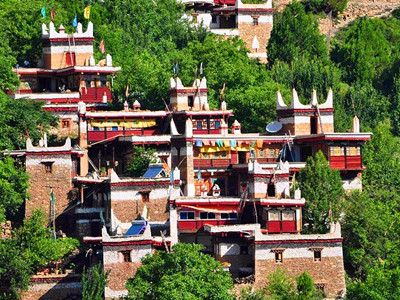
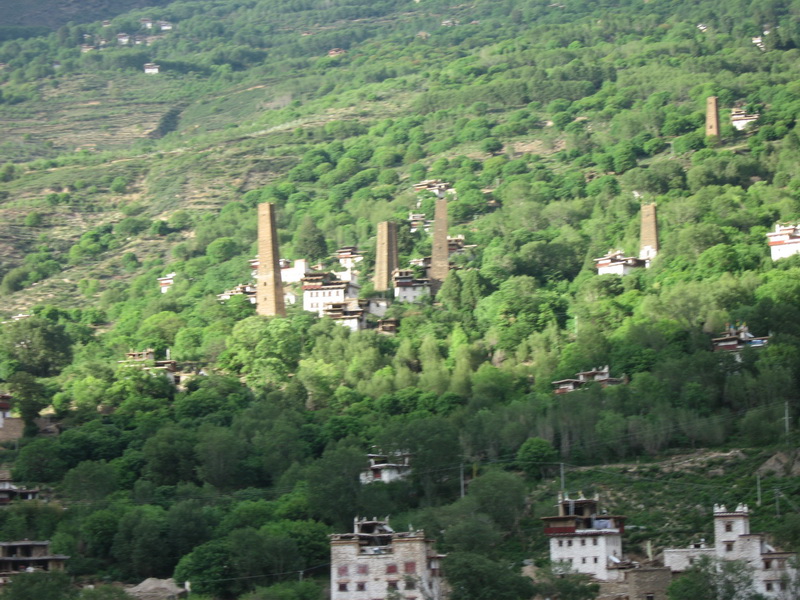
 Located in the eastern part of Garze Tibetan Autonomous Prefecture, western Sichuan, Danba County is a picturesque mountain region famous for its spectacular Jiarong Tibetan villages, traditional stone houses, ancient watchtowers, and unique Tibetan culture.
Known as the “Beauty Valley of China”, Danba is home to the Jiarong Tibetans, a branch of Tibetan people known for their distinctive architecture, agricultural lifestyle, colorful costumes, and rich folk traditions.
The villages are scattered along steep mountain slopes at elevations of around 2,000–2,500 meters, overlooking valleys surrounded by snow mountains and forests. The peaceful scenery and authentic local lifestyle make Danba one of the most attractive cultural destinations in western Sichuan.
A Hidden Tibetan Valley with Unique Culture
Unlike many high-altitude Tibetan regions, Danba enjoys a relatively mild climate, allowing local residents to practice farming while preserving their traditional way of life.
The mountains around Danba are dotted with elegant Tibetan homes featuring:
* White stone walls
* Dark red decorative patterns
* Wooden balconies
* Colorful Tibetan decorations
* Traditional Buddhist symbols
Many historic houses have now been transformed into family-run guesthouses, allowing visitors to experience authentic Jiarong Tibetan hospitality.
With the increasing popularity of western Sichuan tourism, Danba has become a favorite destination for travelers seeking cultural experiences, photography opportunities, and peaceful mountain scenery.
 The Story Behind Danba’s Rise as a Tourism Destination
For centuries, Danba remained a remote mountain settlement with limited contact with the outside world.
Its connection with international travelers began to grow in the late 1990s, when explorers discovered the region’s beautiful villages, unique architecture, and warm local communities.
Among the families that attracted attention were the famous “three beautiful sisters” of Danba, whose intelligence, confidence, and ability to communicate with outsiders helped introduce the area’s culture to a wider audience.
Today, Danba continues to welcome travelers while working to preserve its traditional lifestyle and natural environment.
Jiaju Tibetan Village – The Most Famous Village in Danba
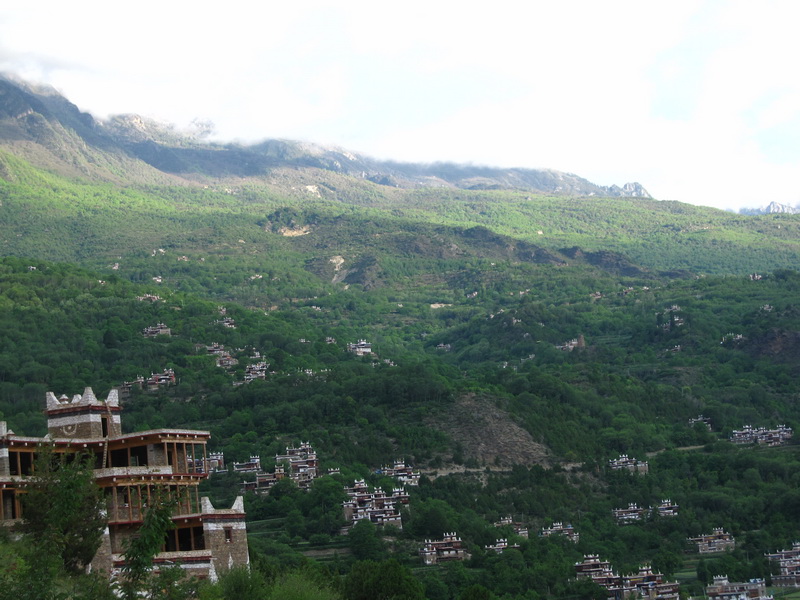
Jiaju Tibetan Village is the most famous Tibetan village in Danba and one of the most beautiful traditional villages in China.
Built along the mountainside, the village features hundreds of traditional Jiarong Tibetan houses scattered among forests, farmland, and valleys.
The white houses with colorful decorations blend perfectly with the surrounding landscape, creating a stunning view that changes with the seasons.
Visitors can enjoy:
* Traditional Tibetan architecture
* Mountain village scenery
* Local family visits
* Tibetan food and hospitality
* Panoramic photography viewpoints
Zhonglu Tibetan Village – A Peaceful Cultural Treasure
Located in northeastern Danba County at an altitude of about 2,100 meters, Zhonglu Tibetan Village is a quieter alternative to Jiaju Village.
Surrounded by green mountains and farmland, Zhonglu offers a more authentic and peaceful atmosphere.
The village is known for:
* Ancient watchtowers
* Traditional Tibetan temples
* Jiarong Tibetan clothing
* Guozhuang dance performances
* Tibetan opera
* Religious customs and festivals
In autumn, Zhonglu becomes especially beautiful when fruit trees are covered with ripe apples, pears, and pomegranates. At sunset, the entire village glows under golden sunlight, creating a dreamlike landscape.
Suopo Watchtowers – Ancient Stone Towers of Danba
Located about 5 kilometers from Danba County town, Suopo Watchtowers is one of the largest concentrations of ancient Tibetan watchtowers in China.
The Tibetan word “Suopo” means “Mongolian.” According to local tradition, the area was once associated with Mongolian communities.
The site contains approximately 84 ancient watchtowers, including rare pentagonal-shaped towers.
Built mainly from stone and wood, these towers once served multiple purposes:
* Defense against invasions
* Community gathering places
* Symbols of wealth and social status
Standing against the blue sky and green valleys, these ancient towers have survived centuries of weather, conflicts, and historical changes.
Today, Suopo Watchtowers provide visitors with a fascinating glimpse into the architectural wisdom and history of the Jiarong Tibetan people.
Experience Jiarong Tibetan Culture in Danba
Danba offers visitors the opportunity to experience traditions that remain alive today.
Cultural highlights include:
* Tibetan Buddhist beliefs
* Nature and mountain worship
* Traditional festivals
* Guozhuang circle dancing
* Tibetan costumes
* Butter tea preparation
* Local farming lifestyle
The combination of dramatic landscapes and living traditions makes Danba a unique cultural destination in Sichuan.
Why Visit Danba Tibetan Villages?
Danba is an ideal destination for travelers who want to explore authentic Tibetan culture away from crowded tourist areas.
Highlights include:
✓ Beautiful mountain villages
✓ Unique Jiarong Tibetan architecture
✓ Ancient stone watchtowers
✓ Traditional Tibetan customs
✓ Excellent photography opportunities
✓ Authentic local hospitality
For photographers, culture lovers, and adventure travelers, Danba offers one of the most memorable experiences in western Sichuan.
Travel Tips for Danba Tibetan Villages
* Best time to visit:
* Spring: flowers and green valleys
* Autumn: colorful forests and harvest scenery (the most recommended season)
* Photography tips:
Sunset is the best time to photograph Suopo Watchtowers, when the towers are illuminated by golden evening light.
* Village visits:
Visitors can enter local homes to experience Tibetan daily life.
* Watchtower safety:
Some traditional towers require climbing narrow wooden ladders. Visitors should take care when exploring.
* Transportation:
Danba is usually visited as part of a western Sichuan route connecting Chengdu, Kangding, Tagong, and other Tibetan cultural destinations.
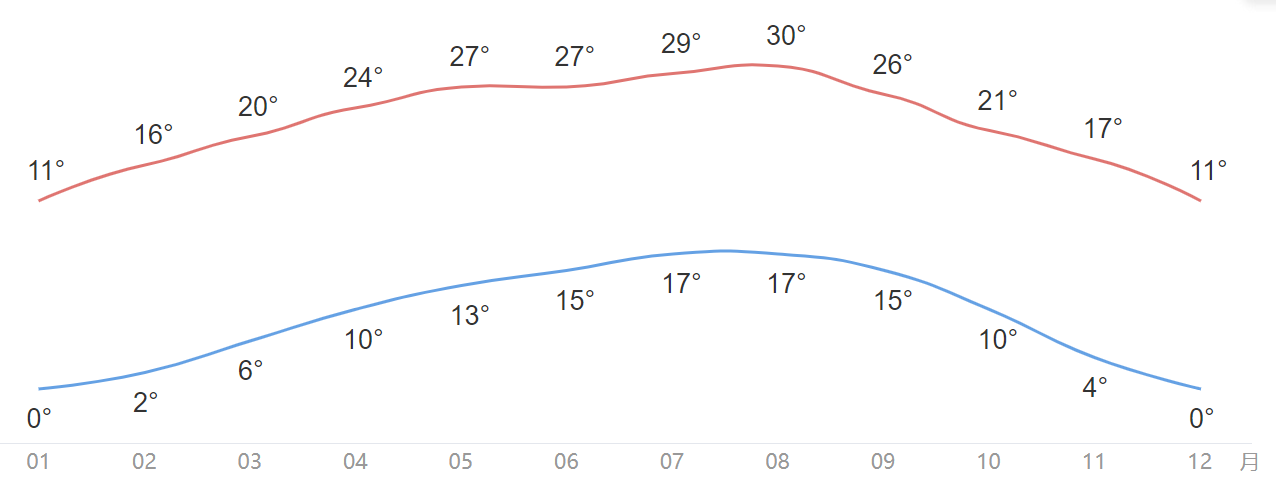
Note: From January to December, red line is the highest Centigrade in average, blue line is the lowest climate in average.