 Mount Emei (Emeishan Mountain) is one of the Four Sacred Buddhist Mountains of China and a UNESCO World Cultural and Natural Heritage Site. Located in the southwest of Emei City, Sichuan Province, Mount Emei is famous for its magnificent natural scenery, ancient temples, rich biodiversity, and profound Buddhist culture.
According to Buddhist tradition, Mount Emei is the sacred home of Samantabhadra Bodhisattva (Puxian Bodhisattva), who represents virtue, compassion, and wisdom. For centuries, pilgrims have traveled here to worship and experience the spiritual atmosphere of this famous Buddhist mountain.
Mount Emei has more than 100 temples and monasteries throughout its history. After centuries of development and restoration, the most important surviving temples include Baoguo Temple, Wannian Temple, Fuhu Temple, Qingyin Pavilion, and Xixiangchi Temple.
Geography and Landscape of Mount Emei
Mount Emei is part of the Qionglai Mountain range and rises dramatically from the Emei Plain. The mountain stretches approximately 23 kilometers from north to south, covering an area of about 110 square kilometers.
The main peaks include:
* Tai’an Peak
* Er’e Peak
* San’e Peak
* Si’e Peak
The highest point is Golden Summit (Jinding), reaching an elevation of 3,099 meters above sea level.
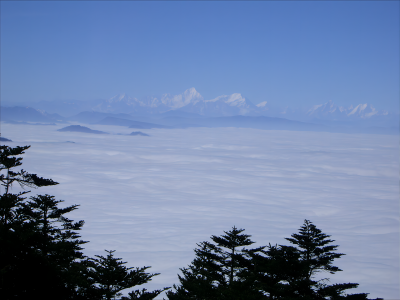 The mountain features a spectacular combination of:
* Cloud-covered peaks
* Ancient forests
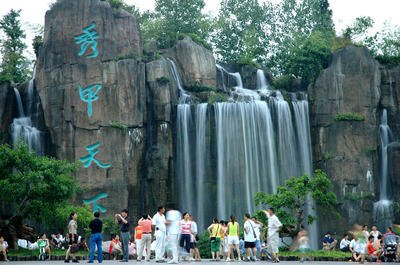
* Waterfalls and streams
* Cliffs and valleys
* Buddhist temples hidden among nature
This unique environment has made Mount Emei one of the most beautiful mountain destinations in China.
Climate of Mount Emei
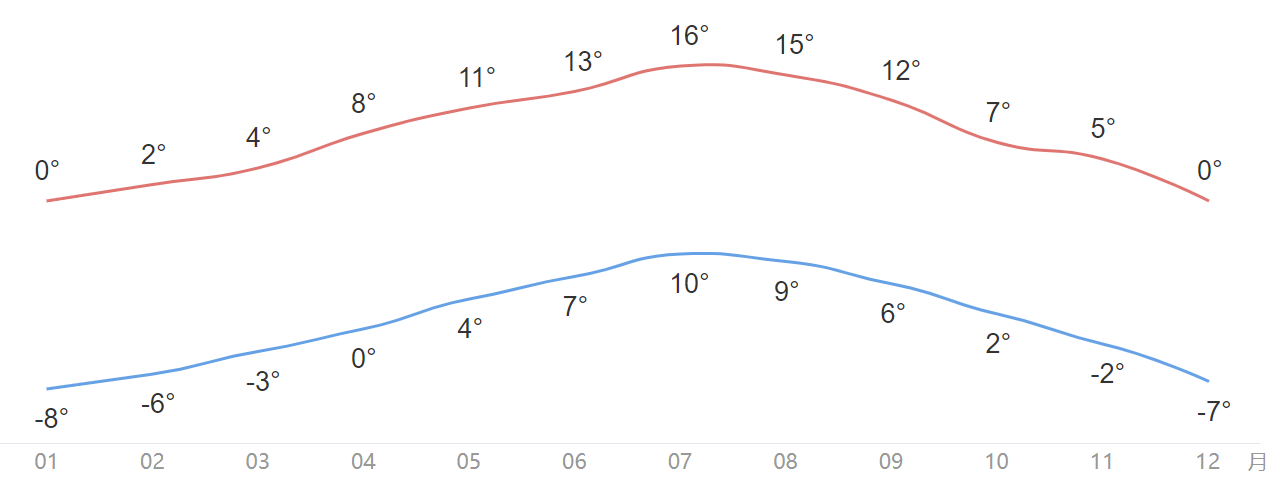
Mount Emei has a subtropical monsoon climate with abundant rainfall, frequent clouds, and relatively limited sunshine.
Due to the dramatic elevation difference between Emei City and the mountain summit, the temperature changes significantly with altitude. The vertical temperature difference exceeds 14°C:
* Average annual temperature in Emei City: about 17.2°C
* Temperature near the 3,000-meter summit: around 3°C
The changing climate creates different natural landscapes throughout the year, including misty forests, snow-covered peaks, and spectacular cloud seas.
Plant Resources of Mount Emei
Mount Emei is one of the richest botanical regions in China, with extraordinary biodiversity.
The mountain contains:
* More than 3,200 species of higher plants
 * Around 242 plant families
* More than 320 species endemic to Mount Emei or China
The plant diversity of Mount Emei represents approximately one-tenth of China’s total plant species.
More than 100 plant species were first discovered and named after Mount Emei, reflecting its outstanding importance in botanical research.
The mountain is especially rich in:
* Medicinal plants
* Ornamental flowers
* Edible plants
* Rare forest species
Wildlife of Mount Emei
Mount Emei is also home to abundant wildlife, with more than 2,300 known animal species, including:
* 51 mammal species
* 256 bird species
* 34 reptile species
* 33 amphibian species
* More than 1,000 insect species
* Around 60 fish species
The mountain protects many rare animals, including:
* Red pandas
* Forest musk deer
* Sichuan takins
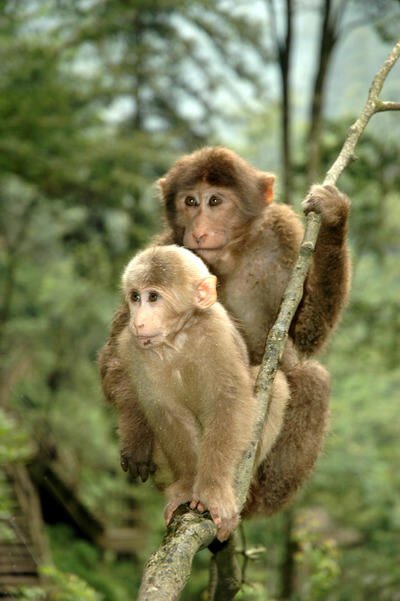
* Tibetan macaques
* Silver pheasants
* Various rare frogs and butterflies
The unique ecosystem of Mount Emei makes it an important natural conservation area in China.
Buddhist Culture of Mount Emei
Mount Emei is one of the most important Buddhist pilgrimage sites in China and is often called the “Buddha Paradise.”
The mountain was included in the UNESCO World Cultural and Natural Heritage List because of its outstanding natural beauty and its deep Buddhist cultural significance.
 The scenic area covers approximately 154 square kilometers, with the highest peak reaching 3,099 meters. Around 26 major temples and monasteries remain today, preserving centuries of Buddhist traditions.
Mount Emei represents the harmonious relationship between:
* Nature and humanity
* Religion and culture
* Ancient architecture and mountain landscapes
Main Attractions of Mount Emei
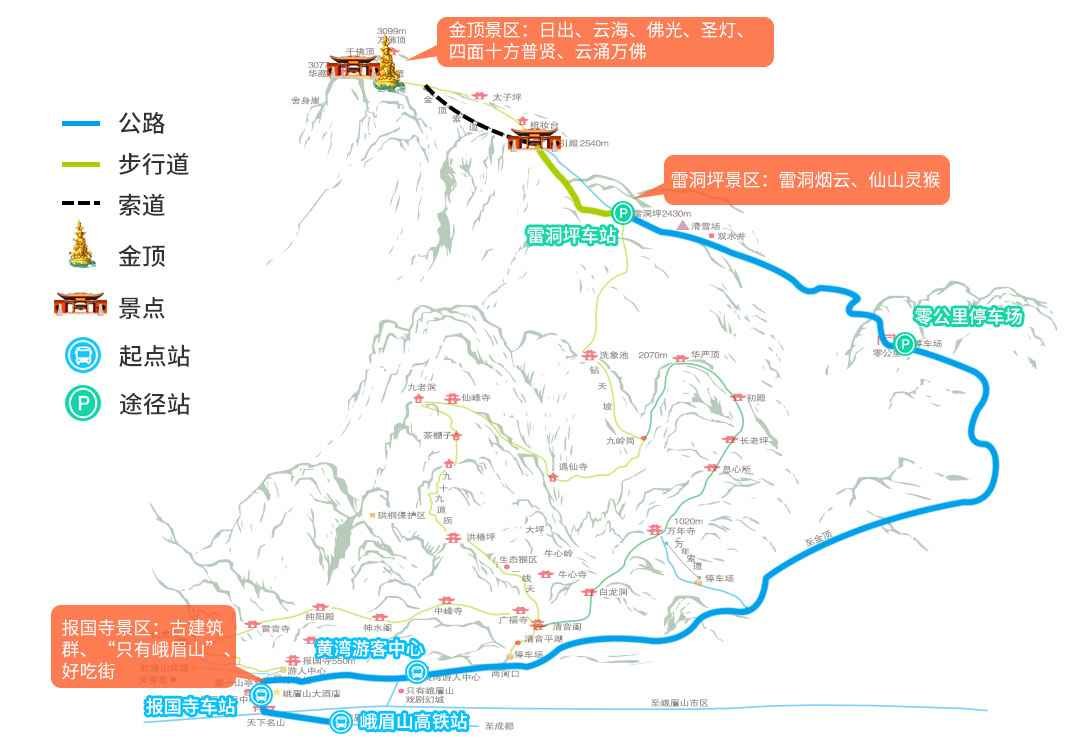
Jinding Golden Summit
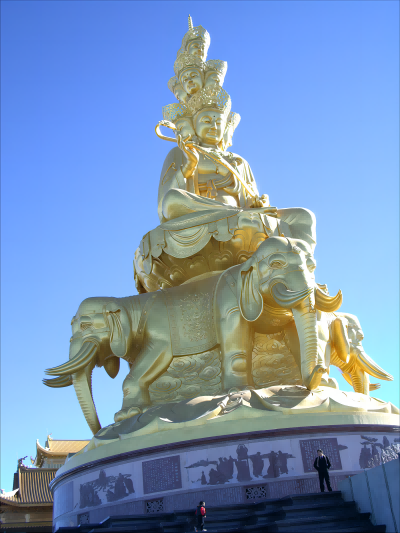
Jinding Golden Summit is the symbol of Mount Emei and the most famous attraction on the mountain. Many visitors believe that a journey to Mount Emei is incomplete without reaching Jinding and paying respect to the Golden Buddha.
The highlight of the summit is the magnificent 48-meter-high statue of Samantabhadra Bodhisattva, standing on a lotus platform supported by a white elephant.
The golden statue overlooks the surrounding mountains and sea of clouds, creating one of the most spectacular Buddhist landscapes in China.
When sunlight shines on the Golden Buddha, the reflection creates a brilliant golden glow across the clouds, forming a breathtaking scene that inspires visitors with a sense of peace and devotion.
 Wannian Temple
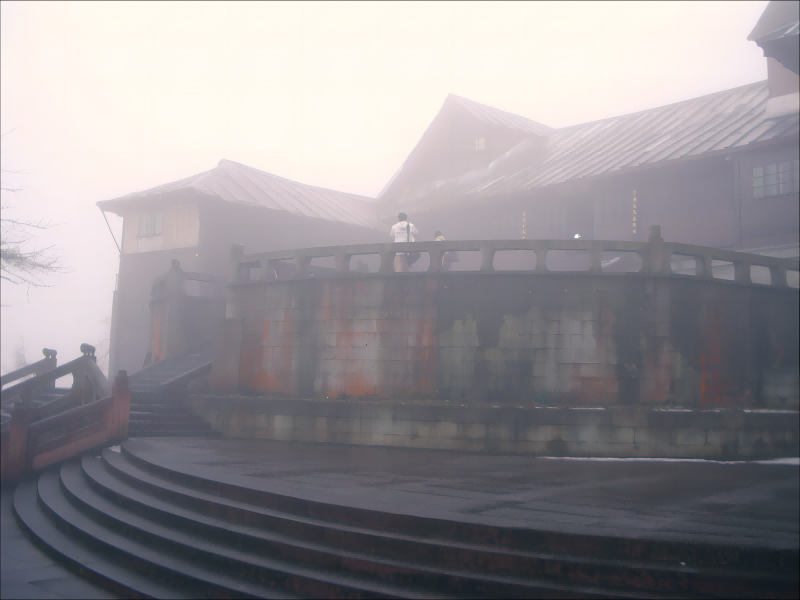
Wannian Temple is one of the oldest temples on Mount Emei. It was originally built by the monk Huichi during the Jin Dynasty (399 AD) and was initially called Puxian Temple.
During the Ming Dynasty, Emperor Wanli renamed it Wannian Temple, meaning “Temple of Eternal Longevity,” to celebrate the birthday of the empress dowager.
The temple is famous for its ancient architecture and important Buddhist relics.
Baoguo Temple
Located at the foot of Mount Emei, Baoguo Temple is the first major temple visitors encounter when entering the mountain.
It was originally built during the Wanli period of the Ming Dynasty (1573–1619 AD). Emperor Kangxi of the Qing Dynasty gave the temple its name based on the Buddhist concept of repaying kindness and blessings.
Today, Baoguo Temple remains an important center for Buddhist activities and cultural exploration.
Fuhu Temple
Fuhu Temple, meaning “Tiger Subduing Temple,” is located at the foot of Mount Emei.
According to historical records, it was founded during the Jin Dynasty. The temple received its name because the surrounding mountain shape resembles a crouching tiger.
The peaceful temple environment combines Buddhist architecture with beautiful natural scenery.
Qingyin Pavilion
Qingyin Pavilion is one of the eight key temples of Mount Emei. It was built during the Tang Dynasty under Emperor Xizong for statues of:
* Sakyamuni Buddha
* Manjusri Bodhisattva
* Samantabhadra Bodhisattva
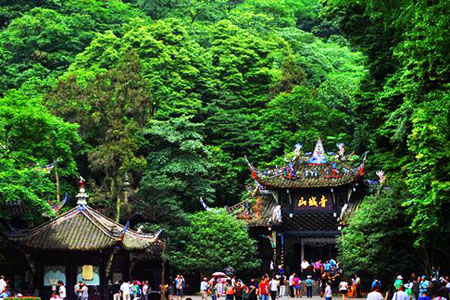
Located between the Black Dragon River and White Dragon River, the pavilion is surrounded by forests, streams, and waterfalls.
Visitors can enjoy:
* Mountain scenery
* Clear stream sounds
* Flower fragrances
* Ancient pavilions and stone inscriptions
 Because of its natural beauty, Qingyin Pavilion is often regarded as one of the finest scenic spots on Mount Emei.
Xixiangchi Temple (Elephant Washing Pool Temple)
Located at an altitude of 2,070 meters, Xixiangchi Temple is one of the eight major temples of Mount Emei.
According to legend, the white elephant of Samantabhadra Bodhisattva once bathed in the nearby pool, giving the site its name.
The temple preserves valuable cultural relics, including an exquisite porcelain statue of Guanyin Bodhisattva.
The surrounding scenery is especially beautiful at night. The famous “Elephant Pool Moon Night” is one of the traditional scenic highlights of Mount Emei.
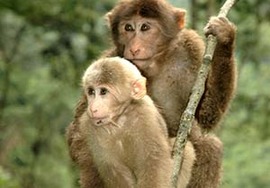
The area is also home to many monkeys, and monks have long maintained a peaceful relationship with them.
Xianfeng Temple
Xianfeng Temple is one of the eight major temples of Mount Emei, located beneath Xianfeng Rock at an altitude of 1,725 meters.
Founded during the Yuan Dynasty, the temple preserves important Buddhist scriptures and cultural relics.
The surrounding forests contain rare dove trees, known as “Chinese pigeon trees,” whose white flowers dance beautifully in the mountain breeze.
Jieyin Hall (Reception Hall)
Located at an altitude of 2,540 meters, Jieyin Hall offers magnificent views of the surrounding mountains and sea of clouds.
The temple contains a copper Arhat Hall with exquisite Buddhist paintings created by famous artists.
During the Republic of China period, the renowned Chinese painter Zhang Daqian stayed here and created many artworks inspired by Mount Emei’s scenery.
Emeishan Monkey Area
The Emeishan Ecological Monkey Area is located between Qingyin Pavilion and Hongchunping.
Covering approximately 25 hectares, it is the largest natural ecological monkey reserve in China.
More than 300 Tibetan macaques live here. These intelligent and playful monkeys are one of Mount Emei’s most famous attractions.
Visitors can observe their natural behavior, take photographs, and experience close contact with these lively mountain residents.
Giant Buddha Zen Temple
The Giant Buddha Zen Temple (Dafo Chanyuan) is one of the largest Chinese Buddhist temples in Asia.
Covering more than 400 mu with a construction area of approximately 56,000 square meters, it integrates:
* Buddhist worship
* Religious education
* Cultural exchange
* Ecological tourism
* Urban leisure
The temple is divided into three main areas:
* Northern worship area
* Central Buddhist cultural area
* Southern Buddhist education area
Its grand architectural layout includes 11 courtyards along the central axis, creating a magnificent religious complex.
Why Visit Mount Emei?
With its sacred Buddhist heritage, spectacular mountain scenery, rare wildlife, ancient temples, and UNESCO World Heritage status, Mount Emei is one of the most unforgettable cultural and natural destinations in Sichuan Province.
Whether for pilgrimage, hiking, photography, nature exploration, or cultural discovery, Mount Emei offers travelers a unique journey into the spiritual and natural beauty of China.