




search for a Trip
Lushan national nature reserve
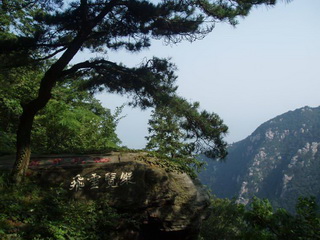 Located south of Jiujiang City in Jiangxi Province, eastern China, Lushan National Park is one of China’s most famous mountain destinations, celebrated for its magnificent landscapes, rich cultural heritage, and unique geological features.
With a strategic location near the Yangtze River, Tengwang Pavilion, Beijing–Kowloon Railway, and Poyang Lake, Lushan has long been regarded as a place where natural beauty and human history meet.
Covering an area of approximately 500 square kilometers, the national park features more than 90 mountain peaks, with Hanyang Peak as the highest point at 1,473.4 meters above sea level. The mountain is famous for its dramatic scenery, including deep valleys, spectacular waterfalls, mysterious caves, towering cliffs, clear streams, and lush forests.
Stunning Mountain Landscapes
Lushan is renowned for its elegant yet powerful natural scenery. The combination of steep peaks, mist-covered mountains, flowing rivers, and peaceful valleys creates a landscape that has inspired generations of poets, painters, and travelers.
The park contains 12 major scenic areas and more than 37 famous attractions, including:
* Wulao Peak – a group of five dramatic peaks overlooking the surrounding landscape
* Sandie Spring – one of China’s most famous waterfalls, known as the “First Wonder of Lushan”
* Lulin Lake – a peaceful mountain lake surrounded by forests
* Flower Path – a scenic route famous for its romantic atmosphere
* Ruqin Lake – a beautiful lake surrounded by mountains
* Jinxiu Valley – a spectacular valley with cliffs and panoramic views
* Xianren Cave – a legendary natural grotto associated with Taoist culture
* Donglin Temple – an important Buddhist temple with a history of over 1,600 years
Lushan also preserves more than 900 cliff inscriptions and over 300 historical steles, reflecting its long cultural significance.
Rich Biodiversity and Natural Conservation
Lushan National Park protects a valuable forest ecosystem with diverse plant and animal species.
More than 40 rare or regionally unique plant species grow in the area, including:
* Katsura tree
* Chinese tulip tree
 * Manglietia fordiana
* Eucommia
The mountain forests also provide habitats for many protected animals, including:
* Leopard
* Giant salamander
* Pangolin
* Python
* Civet
* Muntjac
* Silver pheasant
* White crane
* Mandarin duck
The combination of rich biodiversity and unique landscapes makes Lushan an important destination for ecological research and nature tourism.
Geological Wonders and Cultural Heritage
Lushan is not only famous for its scenery but also for its remarkable geological history. The park preserves 26 ancient glacial remains, including cirques, ice caves, and deep valleys, providing valuable evidence of ancient geological changes.
Recognized for its outstanding natural beauty and cultural importance, Lushan was listed as a UNESCO World Heritage Site in 1996, making it one of China’s most significant natural and cultural landmarks.
Travel Highlights of Lushan National Park
* Admire spectacular mountain scenery, waterfalls, and valleys
* Visit famous attractions such as Sandie Spring and Wulao Peak
* Explore ancient Buddhist and cultural sites
* Discover rare plants and protected wildlife
* Enjoy hiking, photography, and nature exploration
* Experience the harmony between Chinese landscape culture and nature
Related Tours:
China Attractions Guide
- Anhui Attractions
- Beijing Attractions
- Chongqing Attractions
- Fujian Attractions
- Gansu Attractions
- Guangdong Attractions
- Guangxi Attractions
- Guizhou Attractions
- Hainan Attractions
- Henan Attractions
- Hongkong Attractions
- Hubei Attractions
- Hunan Attractions
- Heilongjiang Attractions
- Inner Mongolia Attractions
- Jiangsu Attractions
- Jilin Attractions
- Jiangxi Attractions
- Liaoning Attractions
- Manchuria Attractions

