




search for a Trip
Lalu Wetland National Nature Reserve
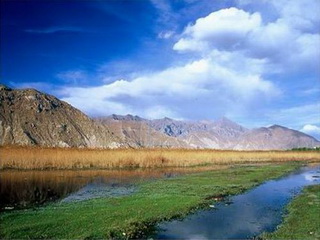 China is home to approximately 38.43 million hectares of wetlands, ranking first in Asia and fourth worldwide. Among these remarkable ecosystems, Lalu Wetland National Nature Reserve stands out as a unique natural treasure. Known as the “Lung of Lhasa”, it is the only urban wetland reserve located within a major city in China.
Located just north of Lhasa, the capital of the Tibet Autonomous Region, Lalu Wetland is the largest and highest natural urban wetland in the world. Covering an area of about 12.2 square kilometers, it forms a breathtaking landscape together with the nearby Potala Palace, creating a rare combination of Tibetan culture and natural beauty.
A Unique High-Altitude Wetland Ecosystem
Situated on the Tibetan Plateau at a high altitude, Lalu Wetland plays an essential role in maintaining the ecological balance of Lhasa.
The reserve is mainly composed of alpine meadow marshes, with vegetation coverage exceeding 95 percent. The vast wetlands provide an important habitat for numerous species and serve as a natural ecological barrier protecting the city environment.
Through long-term conservation efforts, the wetland ecosystem has been effectively restored and protected. Since the late 1990s, large-scale protection projects have helped prevent further degradation and improve the overall ecological environment.
A Paradise for Wildlife and Birds
Lalu Wetland is an important habitat for Tibetan Plateau wildlife. Since the establishment of the reserve, both the diversity and population of species have increased significantly.
The wetland is home to:
* Black-necked cranes
* Vultures
* Aquatic species
* Various insects
* More than 40 species of wild animals
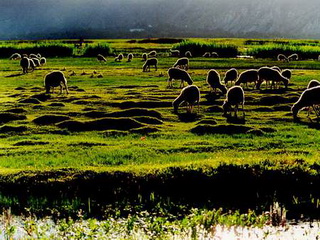 The arrival of migratory birds, especially the endangered black-necked crane, adds great ecological value and makes the reserve an attractive destination for birdwatching and nature photography.
The Ecological Importance of Lalu Wetland
Often called the “natural oxygen bar of Lhasa”, Lalu Wetland provides essential environmental services for the city.
The reserve helps:
* Absorb thousands of tons of airborne dust every year
* Improve air quality
* Regulate the local climate
* Filter urban wastewater
* Maintain biodiversity on the Tibetan Plateau
Because of these ecological functions, Lalu Wetland has become one of the most important natural resources protecting the environment of Lhasa.
A Perfect Combination of Nature and Tibetan Culture
One of the most distinctive features of Lalu Wetland is its location within the city of Lhasa. Visitors can enjoy the peaceful scenery of wetlands while appreciating the magnificent Potala Palace in the distance.
The contrast between golden Tibetan architecture, snow-covered mountains, blue skies, and green wetlands creates a unique landscape that represents the harmony between Tibetan culture and nature.
Travel Highlights of Lalu Wetland National Nature Reserve
* Visit the world’s highest urban natural wetland
* Experience the “Lung of Lhasa” and its ecological importance
* Observe black-necked cranes and plateau wildlife
* Enjoy birdwatching and nature photography
* Appreciate views combining Lalu Wetland and Potala Palace
* Discover the unique ecosystem of the Tibetan Plateau
Related Tours:
China Attractions Guide
- Anhui Attractions
- Beijing Attractions
- Chongqing Attractions
- Fujian Attractions
- Gansu Attractions
- Guangdong Attractions
- Guangxi Attractions
- Guizhou Attractions
- Hainan Attractions
- Henan Attractions
- Hongkong Attractions
- Hubei Attractions
- Hunan Attractions
- Heilongjiang Attractions
- Inner Mongolia Attractions
- Jiangsu Attractions
- Jilin Attractions
- Jiangxi Attractions
- Liaoning Attractions
- Manchuria Attractions

