




search for a Trip
Kekexili Nature Reserve in Qinghai
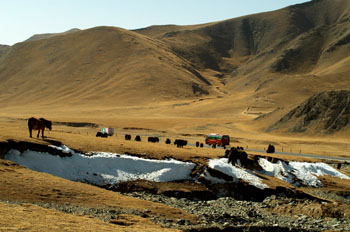 Kekexili Nature Reserve, also known as Hoh Xil, is located in the Yushu Tibetan Autonomous Prefecture of Qinghai Province in northwestern China. Covering approximately 45,000 square kilometers, it is one of the largest and most remote nature reserves in China.
The reserve was established to protect the unique wildlife, plants and fragile ecosystems of the Qinghai-Tibet Plateau. With its vast grasslands, high mountains, lakes and almost untouched wilderness, Kekexili is one of the most important natural habitats for high-altitude wildlife in China.
A Vast High-Altitude Wilderness
Kekexili lies deep in the hinterland of the Qinghai-Tibet Plateau, with an average elevation of more than 4,600 meters above sea level.
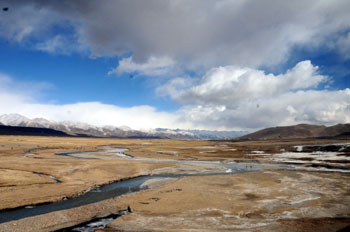
The landscape consists mainly of vast plains, plateaus, hills and mountain ranges. The northern and southern edges are dominated by high and extremely high mountains, while broad valleys, river basins and grasslands occupy the areas between them.
Because of its remote location and harsh environment, human activity in the region has historically been limited. As a result, Kekexili has retained one of the most complete natural high-altitude ecosystems on the Qinghai-Tibet Plateau.
The immense landscape of open plains, distant mountains and clear skies gives visitors a powerful sense of wilderness.
Rivers, Lakes and Alpine Wetlands
Kekexili is an important source region for rivers and contains an extensive network of lakes, streams and wetlands.
The region includes water systems associated with the upper reaches of the Yangtze River, as well as numerous inland lakes. Many of these lakes are scattered across the vast plateau, providing essential water sources for wildlife.
The combination of rivers, wetlands, alpine meadows and grasslands creates a diverse ecological environment despite the area’s extremely high elevation.
 A Unique Plateau Ecosystem
The main vegetation types include high-altitude grasslands and alpine meadows. Although vegetation is relatively sparse compared with lower-elevation regions, these plants are specially adapted to the cold, dry and oxygen-poor environment.
The reserve supports a variety of native plant species, many of which are specially adapted to the conditions of the Qinghai-Tibet Plateau.
The relatively intact ecosystem provides food and shelter for large herbivores as well as the predators that depend on them, creating a remarkable high-altitude food chain.
Home of the Tibetan Antelope
One of the most famous animals in Kekexili is the Tibetan antelope, also known as chiru.
The species is specially adapted to life on the high plateau and is one of the most iconic animals of the Qinghai-Tibet region. Large herds can sometimes be seen moving across the open grasslands.
Kekexili has played an important role in the conservation of the Tibetan antelope. Protection efforts have helped populations recover significantly from the severe decline caused by illegal hunting in the past.
The annual migration and movement of Tibetan antelopes across the plateau is one of the most spectacular examples of wildlife adaptation to an extreme environment.
Rare Wildlife of Kekexili
Kekexili provides habitat for many rare and endangered species. Among the most important are:
* Tibetan antelope
* Tibetan wild ass
* Wild yak
* Snow leopard
* Brown bear
* Lynx
* Tibetan gazelle
* Argali
* Tibetan snowcock
* Golden eagle
The presence of large herbivores and predators demonstrates the ecological importance of the region.
The wild yak and Tibetan wild ass are particularly well adapted to the high-altitude grasslands, while snow leopards and other predators occupy the upper levels of the ecosystem.
The “Kingdom of Wildlife”
Because of its immense size, abundant wildlife and limited human disturbance, Kekexili is sometimes described as a kingdom of wildlife on the Qinghai-Tibet Plateau.
Traveling through the region, visitors may encounter herds of Tibetan antelopes, wild yaks or Tibetan wild asses moving across the plains. Golden eagles and other birds of prey can also be seen soaring above the mountains.
Wildlife sightings are never guaranteed, however, and animals should always be observed from a safe distance without disturbing their natural behavior.
Conservation of the Qinghai-Tibet Plateau
The protection of Kekexili is important not only for individual endangered species but also for the entire high-altitude ecosystem.
The reserve provides a natural environment for studying the relationship between wildlife, vegetation, water resources and climate in one of the world’s highest major plateaus.
Conservation work in the region has particularly focused on protecting Tibetan antelopes from illegal hunting and preserving their migration routes and breeding grounds.
A Remote and Extraordinary Destination
Kekexili is very different from conventional tourist destinations in China. There are few conventional attractions, towns or developed tourist facilities within the wilderness itself. Instead, the main attraction is the vastness and purity of the natural landscape.
The immense grasslands, snow-covered mountains, isolated lakes and rare wildlife create a unique experience for travelers interested in nature, wildlife, photography and high-altitude landscapes.
Because of the extreme elevation and remote environment, travel to the region requires careful planning, appropriate equipment and respect for local environmental regulations.
Discover the Wild Heart of the Qinghai-Tibet Plateau
Kekexili Nature Reserve represents one of the last great wilderness areas of the Qinghai-Tibet Plateau. Its vast grasslands, alpine lakes and mountains provide a refuge for some of China’s most remarkable wildlife.
For those fascinated by Tibetan antelopes, wild yaks, Tibetan wild asses, snow leopards and untouched alpine landscapes, Kekexili offers a rare opportunity to discover the wild side of the Qinghai-Tibet Plateau.
It is not simply a destination to visit, but a remarkable natural environment that demonstrates the extraordinary resilience of life at the highest reaches of the earth.
Related Tours:
Fairy Land Photo Tour in October
China Attractions Guide
- Anhui Attractions
- Beijing Attractions
- Chongqing Attractions
- Fujian Attractions
- Gansu Attractions
- Guangdong Attractions
- Guangxi Attractions
- Guizhou Attractions
- Hainan Attractions
- Henan Attractions
- Hongkong Attractions
- Hubei Attractions
- Hunan Attractions
- Heilongjiang Attractions
- Inner Mongolia Attractions
- Jiangsu Attractions
- Jilin Attractions
- Jiangxi Attractions
- Liaoning Attractions
- Manchuria Attractions

