Juyan Lake – The Ancient Desert Oasis of Inner Mongolia
Hidden deep within the Gobi Desert, Juyan Lake is one of the most fascinating natural and historical destinations in western Inner Mongolia. Located in Ejin Banner, Alxa League, near the border with Mongolia, this remarkable desert wetland has witnessed thousands of years of history while serving as a vital oasis along the ancient Silk Road.
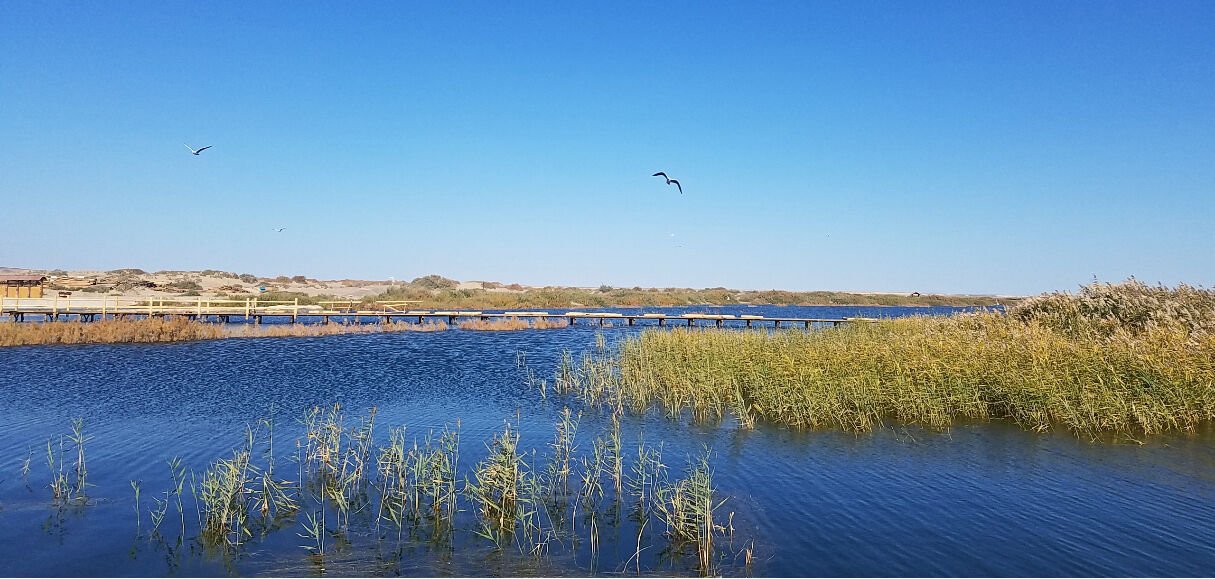
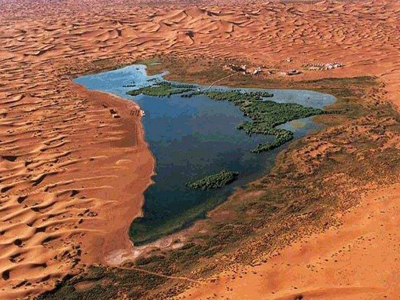
Once a vast inland lake, Juyan Lake gradually shrank during the second half of the 20th century due to reduced water flow from the Heihe River. The western lake dried up completely in 1961, while the eastern lake miraculously reappeared in 2005 after ecological restoration efforts. Today, the lake covers approximately 38 square kilometres, providing a precious source of water and life in one of China's driest regions.
Juyan Lake lies within the Juyan Basin, a rare desert wetland covering nearly 10,000 square kilometres. The basin forms the terminal section of the Heihe River, China's second-largest inland river, also known historically as the Ruo Shui, Ejin River, or Etsin Gol. Surrounded by the Mazong Mountains, Heli Shan, Longshou Shan, Helan Shan, Lang Shan, and Mongolia's Gobi Altay Range, the basin creates a unique ecosystem where wetlands, sand dunes, grasslands, and desert landscapes coexist.
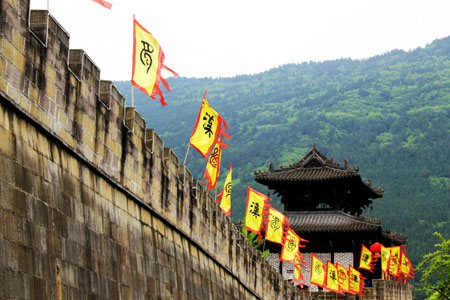
Beyond its natural beauty, Juyan Lake holds extraordinary historical significance. Between the 2nd century BC and the 8th century AD, the region formed an important gateway along the Hexi Corridor, the strategic passage linking central China with Central Asia. During the Han Dynasty, the empire established military garrisons here to protect the Silk Road, defend the frontier, and secure vital water resources from the Xiongnu nomads.
To safeguard this crucial oasis, the Han government constructed the Zhelu Zhang (Fortress to Block the Enemy) near the marshes of the Ejin River. The famous Han general Li Ling launched his ill-fated campaign against the Xiongnu from this frontier fortress in 99 BC. Nearby sections of the Great Wall stretched westward through Yumen Pass and Yang Pass, connecting the important commanderies of Dunhuang, Jiuquan, Zhangye, and Wuwei, making Juyan one of the key defensive strongholds of ancient China.
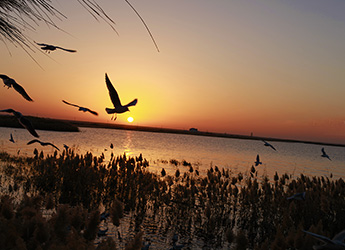
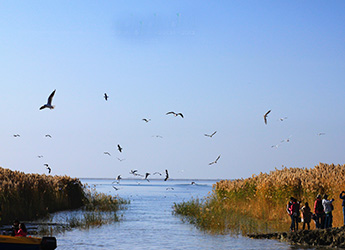
Today, Juyan Lake is celebrated not only for its archaeological heritage but also for its breathtaking scenery. Visitors can experience tranquil wetlands surrounded by endless desert, observe migratory birds resting on the lake, admire spectacular sunrises and sunsets reflected on the water, and explore the ancient frontier landscapes that once guarded the Silk Road.
For travellers seeking an unforgettable combination of history, nature, photography, and adventure, Juyan Lake offers a truly unique journey into one of China's most remarkable desert landscapes.