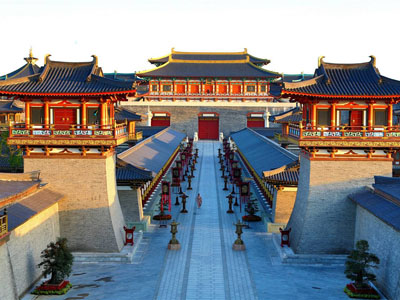
Enshi Tusi City, also known as Enshi Tusi Castle, is one of the most important cultural attractions in Enshi City, Hubei Province. Located just 1.5 kilometers from downtown Enshi, this large cultural complex covers more than 300 mu (approximately 20 hectares) and showcases the history, architecture, and traditions of the Tujia ethnic group.
Often referred to as the “First Tujia City of China,” Enshi Tusi City is the largest and best-preserved architectural complex dedicated to Tusi culture in China. It recreates the residence of the ancient Tusi rulers and offers visitors a fascinating journey into the political, military, and cultural heritage of southwestern China.
 The History of the Tusi System
The Tusi system was a unique administrative system established by imperial China to govern ethnic minority regions through hereditary local chieftains.
In the Enshi region, the Tusi system began during the Yuan Dynasty (1271–1368) and continued through the Ming and Qing dynasties for more than 450 years, ending in 1735 during the reign of the Yongzheng Emperor.
Completed in 1998, Enshi Tusi City faithfully recreates the grandeur of a traditional Tusi palace complex while preserving and promoting the rich cultural heritage of the Tujia people.
Top Attractions at Enshi Tusi City
Mochong Tower
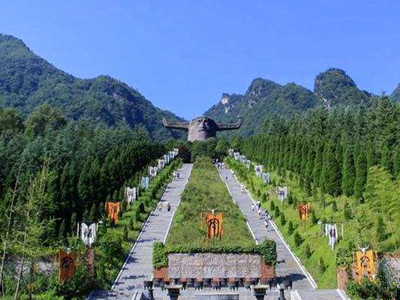
The magnificent Mochong Tower serves as the main entrance to the scenic area. Its impressive traditional architecture reflects the authority and prestige of the ancient Tusi rulers while introducing visitors to the unique style of Tujia architecture.
Jiujin Hall (Tusi King’s Palace)
The highlight of the complex is Jiujin Hall, also known as the Tusi King’s Palace. This grand wooden structure symbolizes the political and ceremonial center of the ancient Tusi government and is one of the finest examples of traditional Tujia architecture.
Lianjun Temple
Lianjun Temple is an important historical and cultural landmark within the scenic area, reflecting the religious beliefs and spiritual traditions of the local Tujia community.
Dong Wind-and-Rain Bridge
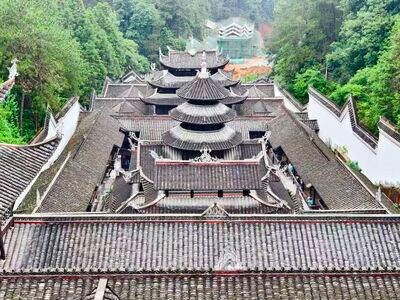
The beautifully constructed Dong Wind-and-Rain Bridge showcases the architectural craftsmanship shared among China’s ethnic minority groups. It combines practical design with elegant decorative details and serves as one of the park’s most photogenic landmarks.
Traditional Tujia Architecture
Throughout the scenic area, visitors can explore reconstructed Tujia residences, city walls, drum towers, bell towers, military training grounds, gardens, and traditional courtyards that recreate the daily life of the ancient Tusi rulers.
Things to Do at Enshi Tusi City
Visitors can enjoy a variety of cultural experiences, including:
* Explore the reconstructed Tusi palace complex
* Visit Jiujin Hall and Mochong Tower
* Discover traditional Tujia architecture
* Learn about the history of the Tusi system
* Watch ethnic cultural performances (seasonal)
* Photograph historic buildings and beautiful gardens
* Experience the traditions and customs of the Tujia people
Why Visit Enshi Tusi City?
As one of the top attractions in Enshi, Enshi Tusi City offers visitors a rare opportunity to explore the history of China’s unique Tusi system and the rich cultural heritage of the Tujia ethnic group. Its impressive architecture, historical exhibitions, and beautifully landscaped grounds make it one of the most distinctive cultural destinations in Hubei Province.
Often visited together with Enshi Grand Canyon, Tenglong Cave, and other natural attractions in the region, Enshi Tusi City provides an ideal balance of history, architecture, and ethnic culture for travelers exploring central China.
Whether you’re interested in Chinese history, ethnic minority traditions, or traditional architecture, Enshi Tusi City offers an unforgettable cultural experience that brings the legacy of the ancient Tusi chieftains to life.