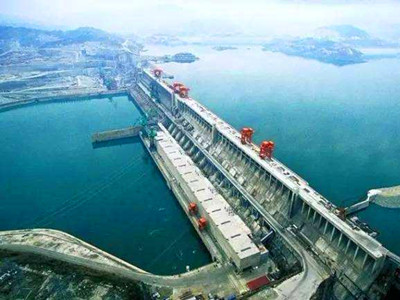
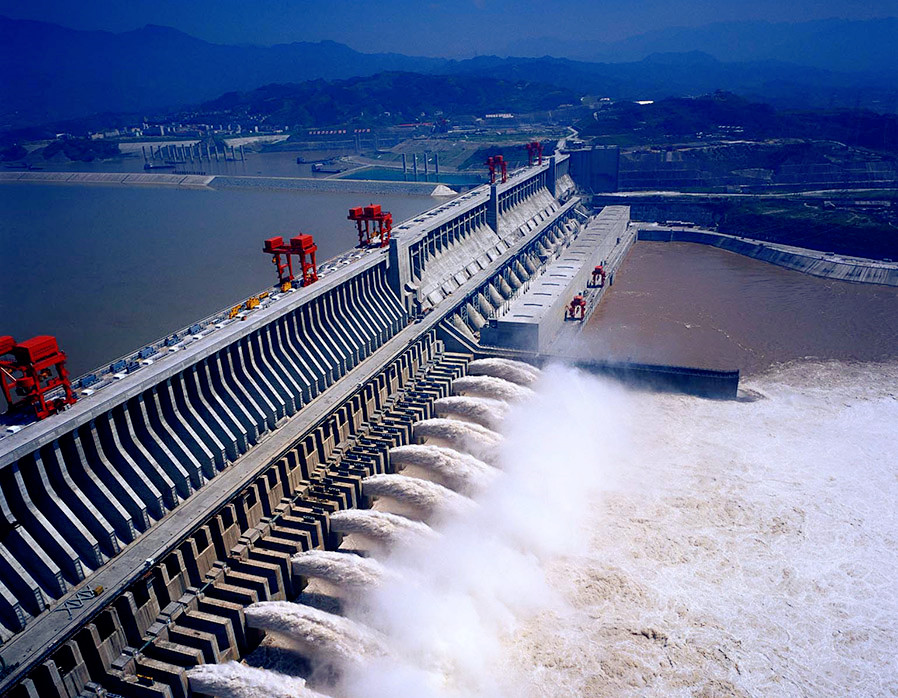
 Located in Sandouping Town, Yichang City, Hubei Province, the Three Gorges Dam is one of the most impressive engineering projects in modern history. Built across the Yangtze River, the dam is the largest hydropower station in the world and has become one of the most famous landmarks in China.
The construction project was officially completed in 2009 after 17 years of development. With its enormous scale, advanced engineering technology, and spectacular surrounding scenery, the Three Gorges Dam Scenic Area attracts millions of visitors from China and around the world every year.
The Three Gorges Dam project consists of three major parts:
* The main dam structure
* The hydroelectric power station
* The ship lock system
The dam stands approximately 185 meters above sea level, with a length of about 2,300 meters and a width of around 115 meters. Its reservoir has a water storage capacity of approximately 39.3 billion cubic meters, helping to regulate flooding in the middle and lower reaches of the Yangtze River.
The Magnificent Three Gorges Reservoir Landscape
The reservoir created by the Three Gorges Dam covers an area of about 1,000 square kilometers. Today, it has become a spectacular artificial lake surrounded by mountains and river valleys.
On clear days, visitors can enjoy breathtaking views where the wide blue water meets the vast sky at the horizon. The combination of the reservoir, mountains, and Yangtze River creates a unique landscape blending modern engineering with natural beauty.
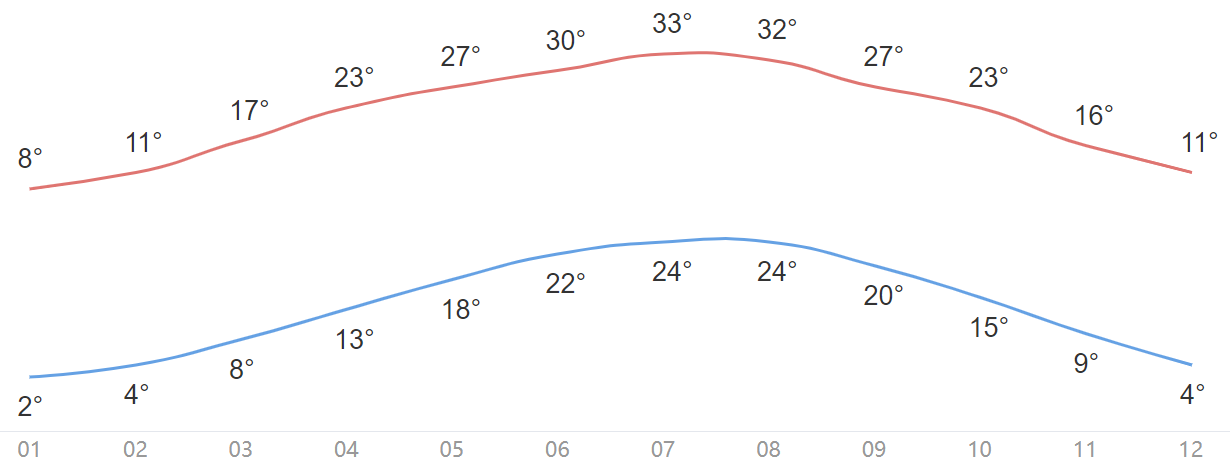
During the flood season, usually in July and August, visitors may witness the impressive flood discharge operation of the dam.
In July 2010, when a major flood peak reached the Three Gorges Dam, the water flow reached 36,000 cubic meters per second. The dam opened nine spillways to release the floodwater, creating nine powerful streams of water that shot into the river, forming spectacular white waves and mist.
 Best Viewpoints of Three Gorges Dam
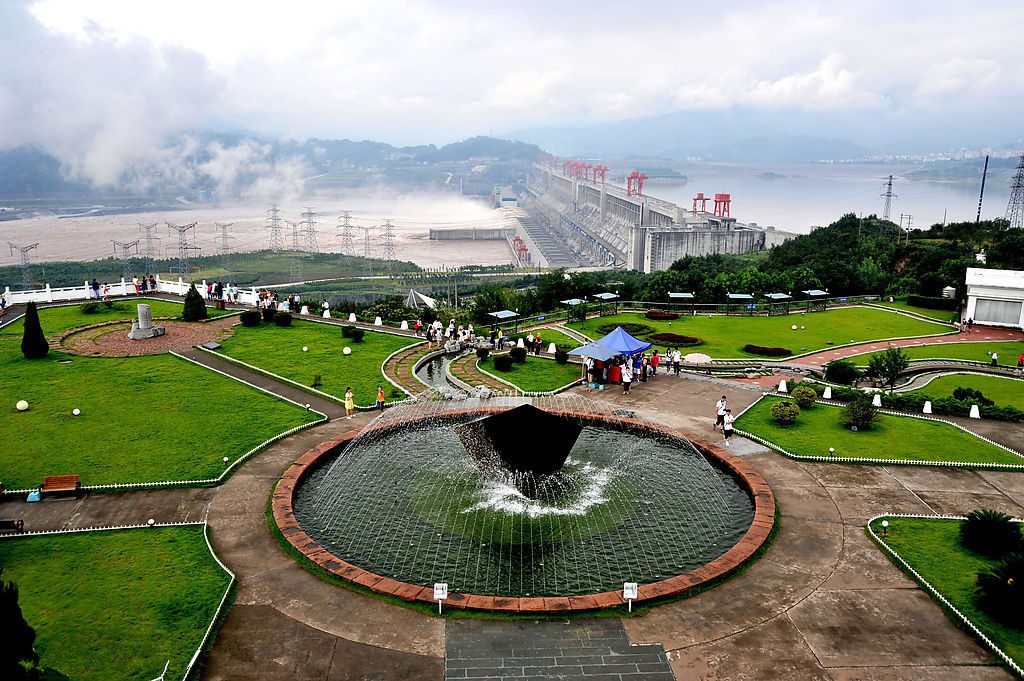
There are two major viewpoints where visitors can appreciate the scale and beauty of the Three Gorges Dam.
185 Platform
The 185 Platform is named after its elevation of 185 meters, which is equal to the height of the dam itself. From here, visitors can enjoy a panoramic view of the entire Three Gorges Dam project and the surrounding Yangtze River landscape.
Dam Viewing Point
The Dam Viewing Point is another excellent location to admire the massive structure. It is especially popular for watching the spectacular water release during the flood discharge season.
Three Gorges Dam Scenic Area
The Three Gorges Dam Scenic Area covers approximately 15 square kilometers and combines modern engineering, natural landscapes, and cultural attractions.
Located in the middle section of Xiling Gorge, one of the three famous sections of the Three Gorges (together with Wu Gorge and Qutang Gorge), the scenic area offers visitors a chance to experience the beauty of the Yangtze River while learning about China’s largest water conservancy project.
A Yangtze River cruise also passes through the Three Gorges Dam area, offering travelers a unique perspective of the project and the surrounding landscapes.
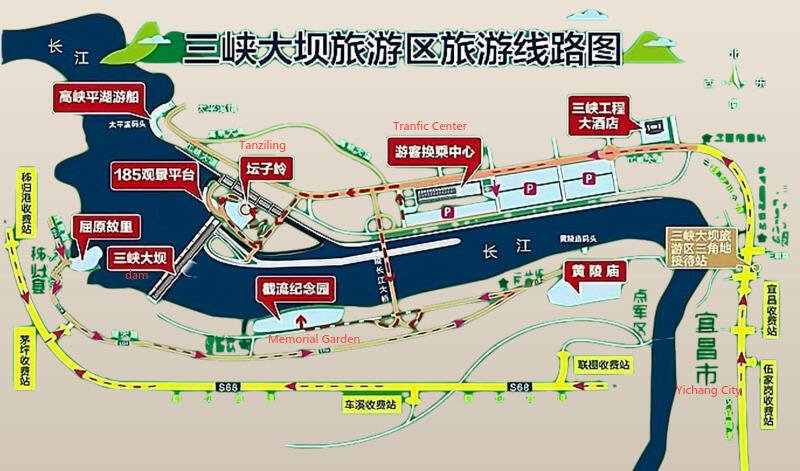
The scenic area includes five major attractions:
* Exhibition Hall of the Three Gorges Project
* Tanzi Ridge
* 185 Platform
* Memorial Garden
* Dam Viewing Point
 Tanzi Ridge – The Best Panoramic View of the Dam
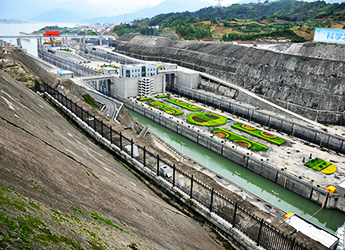
Located at the surveying point of the Three Gorges Dam project, Tanzi Ridge reaches an altitude of 262.5 meters above sea level and provides one of the best panoramic views of the dam.
The ridge gets its name because its shape resembles a traditional Chinese crock (“Tanzi” in Chinese).
The scenic area is divided into three levels. Visitors can see:
* Stone reliefs introducing the Three Gorges Project
* An 800-million-year-old stone weighing more than 20 tons, collected from the bottom of the Yangtze River
* A large book-shaped sculpture introducing the history and construction of the dam
History and Construction of Three Gorges Dam
The Three Gorges Dam project took 17 years to complete, from 1993 to 2009, and was carried out in three major stages.
First Stage (1993–1997)
During the first phase, the main channel of the Yangtze River was blocked and water was diverted into a temporary channel, allowing construction of the dam foundation.
Second Stage (1998–2003)
The second stage focused on building:
* The cofferdam
* The navigation locks
* The first sections of the hydroelectric power station
By the end of 2003, the first two phases had been successfully completed.
Third Stage (2003–2009)
The final stage involved:
* Installing the remaining generators
* Completing the hydropower station
* Finishing construction of the dam’s right bank
The completed project became a symbol of China’s modern engineering capabilities.
Benefits and Controversies of Three Gorges Dam
The Three Gorges Dam has brought significant benefits, including:
Flood Control
The reservoir helps reduce the risk of severe flooding along the Yangtze River, protecting millions of people living downstream.
Hydropower Generation
The dam produces enormous amounts of clean electricity and supports regional economic development.
Improved Navigation
The ship lock system allows larger vessels to travel through the Yangtze River more efficiently.
Tourism Development
The dam has become an important attraction combining engineering, history, and natural scenery.
However, the project has also generated discussions and concerns related to:
* Environmental impacts
* Changes to local ecosystems
* Sediment management
* Relocation of residents
* Loss of some historical and cultural sites
The Three Gorges Dam remains a major topic of discussion because of both its achievements and its challenges.
Travel Information
Ticket Price: 105 yuan per adult
How to Get to Three Gorges Dam Scenic Area:
From Yichang downtown, visitors can take tourist shuttle buses departing from:
* No. 80 Dongshan Avenue
* Liuzhashou Tourist Reception Center
Public transportation options:
* Take city bus No. 3, 4, 9, 21, or 100 to No. 80 Dongshan Avenue
* Take city bus No. 1, 10, 21, 100, or 101 to Yemingzhu Station, then transfer to bus No. 8 and get off at Liuzhashou Tourist Reception Center
Nearby Attractions
Wu Gorge
One of the three sections of the Three Gorges, Wu Gorge is famous for its beautiful mountains, dense forests, and mysterious clouds and mist surrounding the peaks.
Chinese Sturgeon Museum
The Chinese Sturgeon Museum focuses on protecting the rare Chinese sturgeon, an ancient fish species living in the Yangtze River.
Huangling Temple
Built more than 2,500 years ago during the Spring and Autumn Period, Huangling Temple is one of the oldest surviving historical buildings in the Three Gorges region.
Why Visit Three Gorges Dam?
The Three Gorges Dam is more than a huge hydropower project. It represents the combination of modern engineering, natural landscapes, and Chinese history.
For travelers exploring Yichang, the Yangtze River, and the Three Gorges region, visiting the Three Gorges Dam offers a rare opportunity to witness one of the greatest engineering achievements of the 21st century while enjoying the spectacular scenery of central China.