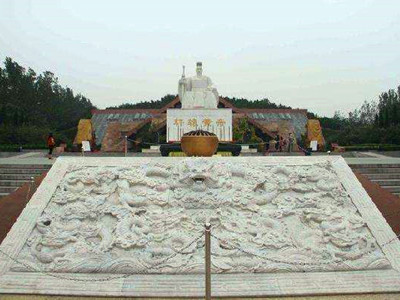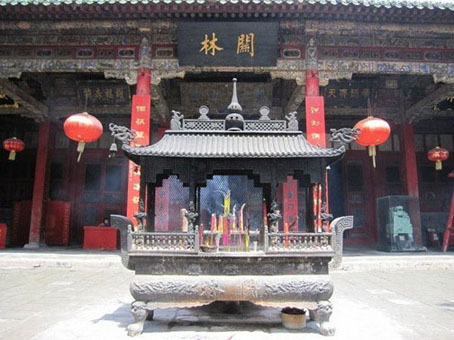
Located about 7 kilometers (4.5 miles) south of Luoyang City, Henan Province, Guanlin Temple is one of the most important historical and cultural attractions in Luoyang. Built in 1596 during the reign of Emperor Wanli of the Ming Dynasty (1368–1644) and expanded during the Qing Dynasty (1644–1911), the temple is also known as General Guan’s Tomb.
Guanlin Temple is famous as the place where the head of Guan Yu was buried. With its magnificent architecture, ancient stone carvings, and deep connection with Chinese history and religion, it has become an important destination for visitors interested in Chinese culture.
Guan Yu – A Legendary Figure Worshiped Across China
Guan Yu was a famous military general of the Kingdom of Shu during the Three Kingdoms Period (220–280 AD) and is one of the most respected figures in Chinese history.
Known for his loyalty, bravery, and righteousness, Guan Yu has been admired by people from different cultural traditions. He is one of the rare historical figures respected by followers of Confucianism, Buddhism, and Taoism.
According to historical records, Guan Yu was defeated and killed by forces of the Kingdom of Wu. His head was later sent to Cao Cao, the ruler of Wei, as part of a plan to create conflict between Shu and Wei. However, Cao Cao discovered the scheme and, out of respect for Guan Yu’s loyalty and character, arranged an honorable burial.
It is said that Cao Cao had Guan Yu’s body recreated with carved eaglewood and buried the statue together with Guan Yu’s head outside the southern gate of Luoyang. Later emperors greatly admired Guan Yu and gradually elevated him to the status of the God of War, leading to the construction of grand temples dedicated to his worship.
Traditional Chinese Architecture of Guanlin Temple
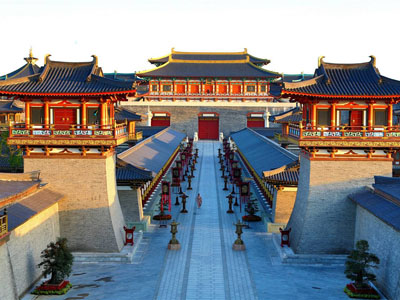
Covering an area of approximately 100 mu (about 16.5 acres), Guanlin Temple features traditional Chinese architectural design, including grand halls, stone tablets, ancient cypress trees, and stone sculptures.
The temple layout follows a strict symmetrical design, reflecting the principles of traditional Chinese architecture.
Walking northward from the Opera Tower, visitors can follow the main axis of the temple, which includes:
* Main Gate
* Courtesy Gate
* First Hall
* Second Hall
* Third Gate
* Tomb of Guan Yu
Among these structures, the First Hall is the most magnificent. The entrance is decorated with exquisite relief carvings depicting famous stories and legends about Guan Yu, allowing visitors to learn more about his life and achievements.
The other halls and courtyards inside the temple also feature beautiful views, historic structures, and peaceful surroundings.
Guanlin Temple Stone Inscriptions and Art Gallery
Inside Guanlin Temple, visitors can also explore an art gallery housing nearly 2,000 ancient stone inscriptions, steles, and epitaphs.
These valuable historical materials provide important information for researching ancient Chinese history, calligraphy, culture, and social development.
The combination of architecture, religious traditions, and historical relics makes Guanlin Temple one of the most significant cultural attractions in Luoyang.
Visiting Guanlin Temple in Luoyang
For travelers exploring Luoyang’s historical sites, Guanlin Temple offers a unique opportunity to discover the legend of Guan Yu and experience traditional Chinese architecture and religious culture.
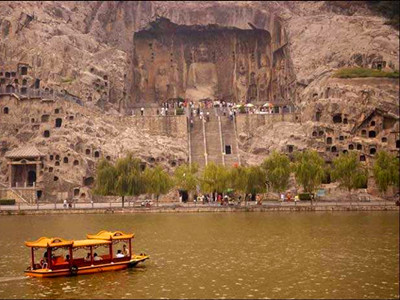
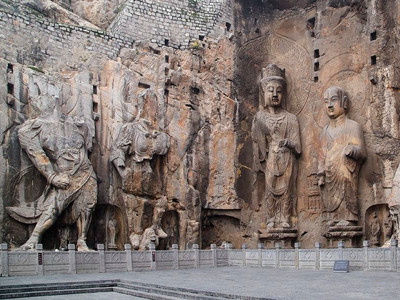
Together with attractions such as Longmen Grottoes and White Horse Temple, Guanlin Temple is an essential stop for visitors interested in China’s ancient history and cultural heritage.