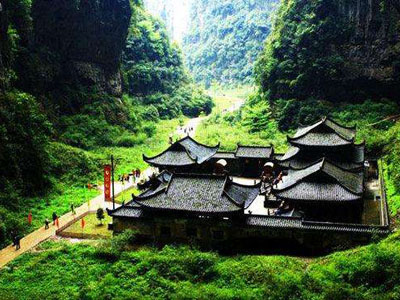
Located in southeastern Chongqing, Wulong Karst National Geology Park is one of the most spectacular natural attractions in China and a UNESCO World Natural Heritage Site. Listed in 2007 as part of the South China Karst World Natural Heritage Site, Wulong is famous for its dramatic karst landscapes, including giant natural bridges, magnificent caves, deep valleys, and enormous sinkholes.
Known as one of the best destinations for nature lovers, photographers, and adventure travelers, Wulong Karst Chongqing offers a unique opportunity to explore millions of years of geological evolution through some of the world’s most impressive limestone formations.
Location and Overview of Wulong Karst
Wulong Karst is located at the southeastern edge of the Sichuan Basin, where the Dalou Mountains, Wuling Mountains, and Guizhou Plateau meet. It is approximately 170 kilometers from downtown Chongqing.
The region lies along the lower reaches of the Wujiang River, a major tributary of the Yangtze River. Over millions of years, the interaction between carbonate rocks, water erosion, and geological movements created a spectacular karst landscape.
Wulong contains three major karst systems:
* Furong Cave, one of the world’s most spectacular limestone caves
* Three Natural Bridges, the largest natural bridge group in Asia
* Houping Tiankeng, a remarkable natural sinkhole system
Together, these geological wonders represent some of the finest examples of karst landforms on Earth.
Main Attractions of Wulong Karst
Wulong Karst is a national AAAAA-rated scenic area and mainly consists of three famous attractions:
* Three Natural Bridges (Tiansheng Sanqiao)
* Furong Cave
* Fairy Mountain (Xiannü Mountain)
In addition, Houping Tiankeng and Longshuixia Fissure Gorge are also important geological highlights in the area.
These attractions have been recognized as part of the UNESCO South China Karst World Natural Heritage Site due to their outstanding geological value.
Houping Tiankeng: A Magnificent Natural Sinkhole System
Houping Tiankeng is one of the most impressive karst sinkholes in Wulong. Formed from Ordovician limestone, it represents a complete karst development system consisting of surface streams, underground rivers, caves, sinkholes, and springs.
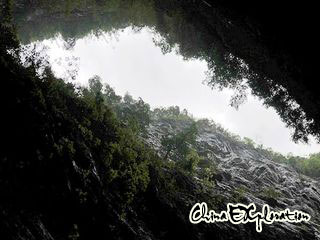
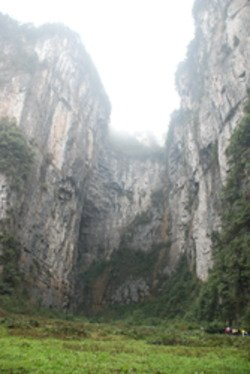
Among its highlights is Jingkou Tiankeng, which features a nearly oval entrance and dramatic vertical cliffs. The sinkhole reaches a depth of approximately 300 meters, creating a breathtaking landscape where visitors can look down into the enormous natural formation or stand at the bottom and experience the feeling of being surrounded by towering cliffs.
Unlike many developed scenic areas, parts of Houping Tiankeng remain in a relatively natural state, making it an ideal destination for visitors interested in geology, exploration, and untouched landscapes.
Longshuixia Fissure Gorge: A Hidden Geological Wonder
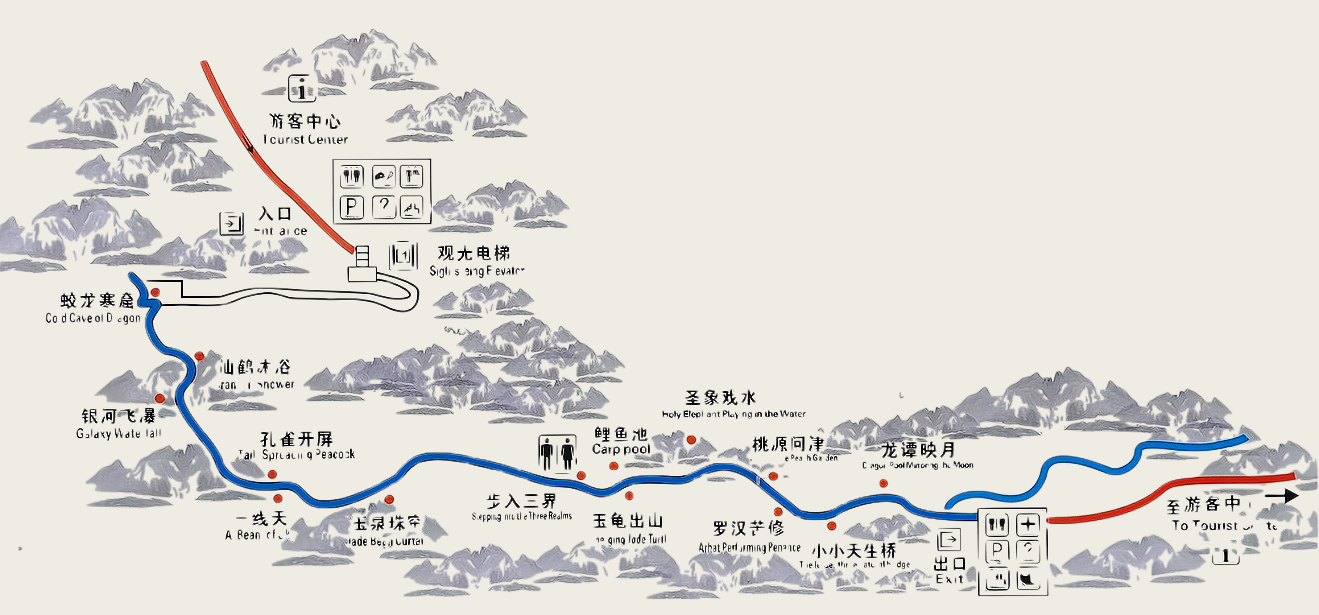
Located at the southern foot of Fairy Mountain, Longshuixia Fissure Gorge is another spectacular natural attraction in Wulong.
The gorge stretches for about 2 kilometers, with the narrowest section measuring only around 1 meter wide. The vertical difference between the valley top and bottom reaches 200–400 meters, creating a dramatic canyon landscape.
Visitors can explore the gorge through a carefully designed walkway featuring:
* Deep canyon walls
* Underground caves
* Waterfalls and streams
* Ancient trees and vines
* Natural stone formations
The scenic route includes an impressive outdoor sightseeing elevator that connects different levels of the gorge, allowing visitors to experience the geological wonder from multiple perspectives.
Walking through Longshuixia Fissure Gorge feels like entering a natural geological museum, where visitors can witness the powerful forces that shaped the Earth over millions of years.
 Furong Cave: An Underground Palace of Nature
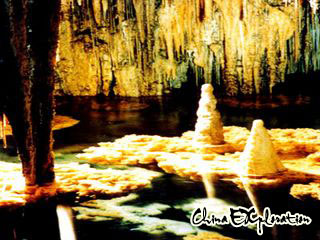
Known as one of the world’s most beautiful limestone caves, Furong Cave is often described as an “underground art palace” and a natural museum of karst geology.
The cave was discovered in 1993 and was later evaluated by Chinese and international cave research organizations as a world-class cave attraction.
The main cave extends for approximately 2,700 meters, covering an area of about 37,000 square meters. Among its most impressive sections is the Brilliant Hall, which covers around 11,000 square meters.
Furong Cave is famous for its extraordinary variety of formations, including:
* Stalactites and stalagmites
* Stone waterfalls
* Stone curtains
* Crystal formations
* Stone flowers
* Underground pools
Some of the most popular sights inside the cave include:
* Golden Temple
* Leifeng Pagoda
* Jade Pillar
* Underwater Dragon Palace
* Giant Curtain Waterfall
* Coral Jade Pool
The unique shapes, colors, and textures of these formations showcase the incredible creativity of nature.
Three Natural Bridges: Asia’s Largest Natural Bridge Group
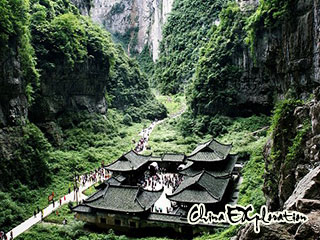
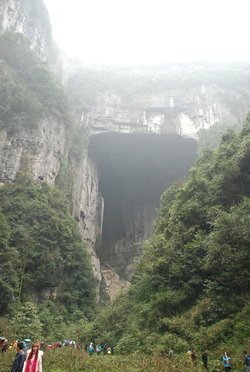
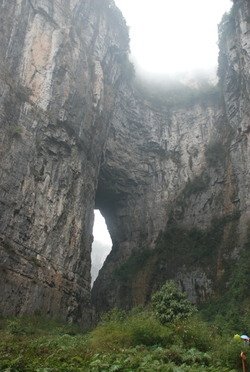
The Three Natural Bridges (Tiansheng Sanqiao) are among the most famous attractions in Wulong Karst. Formed naturally through geological erosion, these giant stone bridges represent one of the world’s most remarkable karst landscapes.
The scenic area features three massive natural bridges:
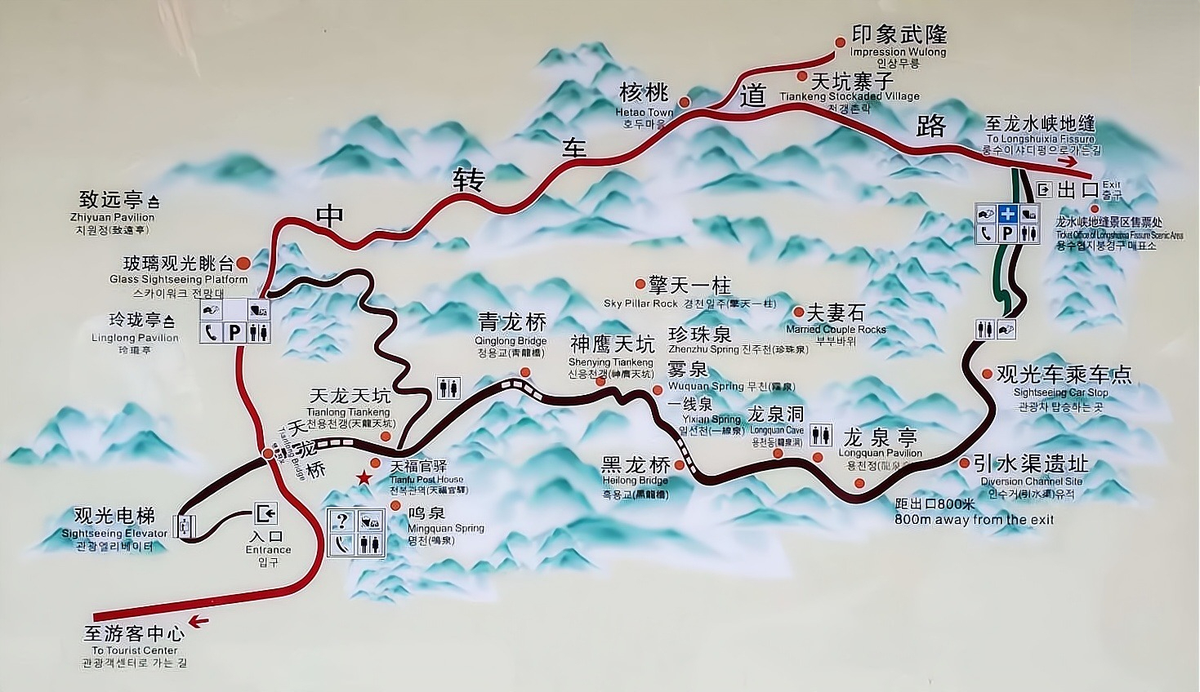
Tianlong Bridge
The first and largest bridge, Tianlong Bridge, rises about 200 meters high and spans approximately 300 meters. It is famous for its impressive scale and the mysterious caves within the bridge structure.
Qinglong Bridge
The second bridge, Qinglong Bridge, has the largest vertical height difference among the three bridges. It reaches about 350 meters high, with a span of around 400 meters.
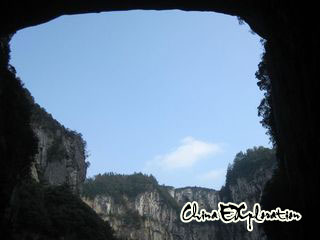
When sunlight passes through the bridge openings and waterfalls flow nearby, the landscape resembles a giant dragon soaring through the mountains, which inspired its name.
Heilong Bridge
The third bridge, Heilong Bridge, is known for its deep and dark cave passage. The rocks above the bridge resemble a hidden black dragon, creating a mysterious and dramatic atmosphere.
Together, the Three Natural Bridges form the largest natural bridge group in Asia and one of the most important geological landscapes in the world.
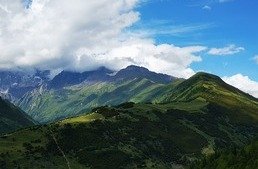
Fairy Mountain: The “Oriental Alps” of Chongqing
Located near Wulong Karst, Fairy Mountain (Xiannü Mountain) is a beautiful alpine destination famous for its forests, grasslands, and cool climate.
With an elevation of approximately 2,033 meters, Fairy Mountain covers an area of about 89 square kilometers. It is often called the “Oriental Alps” because of its beautiful highland scenery.
Visitors can enjoy:
* Wide natural grasslands
* Mountain forests
* Fresh alpine air
* Horse riding experiences
* Peaceful countryside landscapes
Walking across the rolling grasslands, watching cattle and sheep grazing freely, and enjoying the mountain scenery provide a relaxing contrast to Chongqing’s busy urban environment.
Visiting Wulong Karst Chongqing
With its UNESCO recognition, spectacular geological formations, and diverse natural landscapes, Wulong Karst Chongqing is one of the best destinations for nature tourism in China.
From underground caves and giant sinkholes to natural bridges and alpine grasslands, Wulong offers an unforgettable journey through Earth’s geological history.
For travelers exploring Chongqing, a visit to Wulong Karst National Geology Park provides a perfect opportunity to experience China’s extraordinary natural heritage and some of the most impressive landscapes in the world.