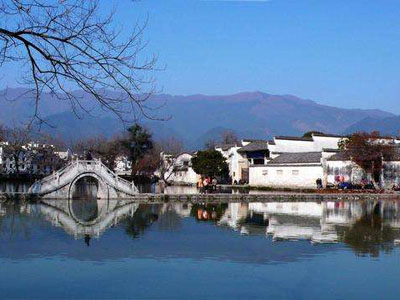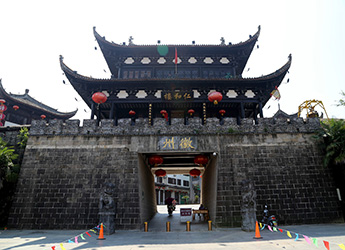
Located in the southeastern part of Anhui Province at the foot of the world-famous Mount Huangshan (Yellow Mountain), Shexian County (She County) is a historic and cultural destination renowned for its ancient architecture, traditional culture, and beautiful landscapes.
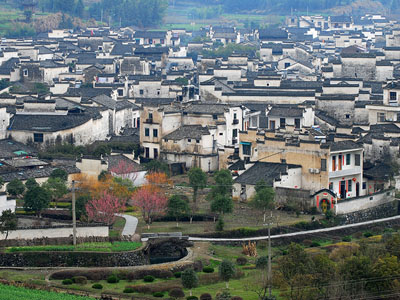
Surrounded by green mountains and clear rivers, Shexian County is rich in cultural heritage, including ancient residences, ancestral temples, memorial archways, and historic streets. With its well-preserved classical buildings and unique cultural atmosphere, the county is often described as a “living museum of traditional Chinese architecture.”
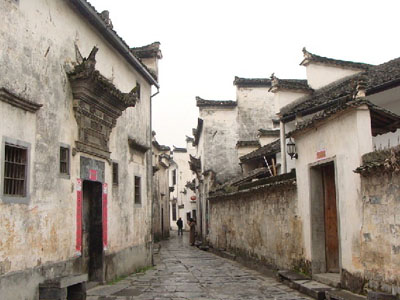
Walking through Shexian, visitors can discover elegant towers, stone bridges, narrow lanes, and ancient wells dating back to the Ming (1368–1644) and Qing (1644–1912) dynasties. The combination of mountains, rivers, bridges, and traditional architecture has earned Shexian the reputation of being a water town, mountain town, and bridge town.
Shexian County – A Natural Museum of Classical Architecture
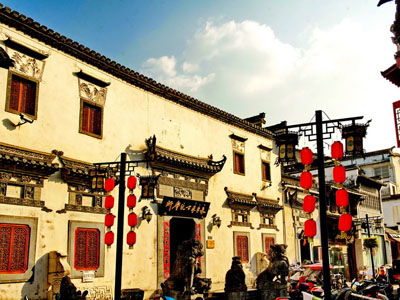
Because of its extraordinary architectural heritage, Shexian County is often praised by architectural experts from China and abroad as a “Naturally Formed Classical Architectural Arts Museum.”
The county is especially famous for its three architectural treasures:
* Ancient ancestral temples
* Traditional Hui-style residential houses
* Historic memorial archways
These remarkable structures represent the achievements of Huizhou architecture, a distinctive style characterized by white walls, black tiles, elegant courtyards, and exquisite carvings.
The old city of Shexian consists mainly of Fucheng (Prefecture City) and Xiancheng (County City). Fucheng was originally established during the late Sui Dynasty (581–618) and expanded during the Tang Dynasty (618–907).
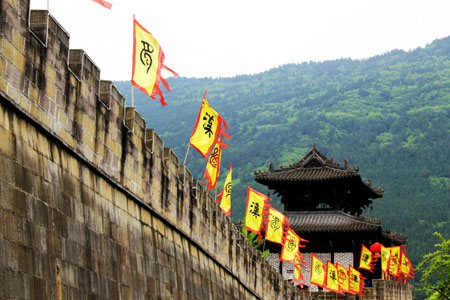
The existing city walls were built along the mountain ridges, extending for approximately 1,640 yards. Several historic sites from before the Song Dynasty (960–1279) remain, including:
* Hama (Toad) Well
* Yinggong Well
* Dagu Well
Traditional streets such as:
* Doushan Street
* Zhongshan Lane
* Dabei Street
still preserve their original Ming and Qing Dynasty appearance.
Today, Shexian County contains 16 ancient memorial archways in Fucheng and Xiancheng, making it one of the best places in China to experience traditional Huizhou culture.
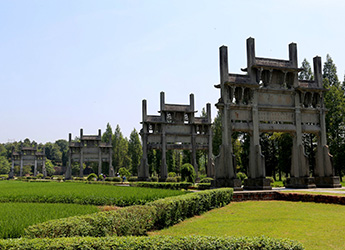 Shexian County – The Birthplace of Huizhou Culture
Historically known as Huizhou, Shexian County is considered the birthplace of Huizhou Culture, one of China’s three major regional cultural traditions.
This beautiful land has produced many outstanding figures in Chinese history, including:
* Zhu Xi – A famous Neo-Confucian philosopher of the Southern Song Dynasty.
* Bi Sheng – The inventor of movable type printing.
* Tao Xingzhi – A renowned Chinese educator.
* Huang Binhong – A famous modern Chinese painter.
Huizhou culture has influenced many fields, including:
* Xin’an Painting School
* Hui-style Architecture
* Hui Opera
* Xin’an Medicine
* Huizhou Cuisine
These cultural traditions continue to shape the identity of Shexian and attract visitors interested in Chinese history and heritage.
Local Specialties of Shexian County
Besides its historical attractions, Shexian is also famous for its traditional agricultural products and local specialties.
Popular local products include:
* Honey dates
* Huangshan Maofeng Tea
* Dinggu Dafang Tea
* Huangshan Green Peony Tea
These famous teas and traditional foods are considered valuable treasures by local residents and reflect the unique natural environment of southern Anhui.
Why Visit Shexian County?
Shexian County is a perfect destination for travelers seeking authentic Chinese history, traditional architecture, and cultural experiences. Unlike modern cities, Shexian preserves the lifestyle, craftsmanship, and artistic achievements of ancient Huizhou.
With its ancient streets, elegant residences, historic temples, memorial archways, and beautiful mountain scenery, Shexian offers visitors a chance to explore one of China’s most remarkable cultural landscapes.
For travelers visiting Huangshan Mountain, a trip to Shexian County provides a deeper understanding of Anhui heritage, Huizhou culture, and classical Chinese architecture.