




search for a Trip
Siguniangshan Mountain
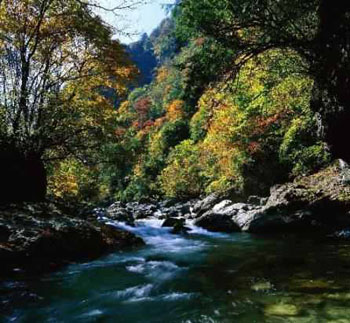 Located in Aba Tibetan and Qiang Autonomous Prefecture of western Sichuan Province, Siguniang Mountain (Mount Siguniang) is one of China’s most spectacular alpine destinations. Known as the “Queen of Shu Mountains,” it is the highest peak of the Qionglai Mountain Range on the eastern edge of the Hengduan Mountains.
Recognized as a national scenic area and nature reserve, Siguniang Mountain has received an AAAA scenic area rating from the Chinese government. With its snow-capped peaks, glaciers, alpine forests, crystal-clear rivers and Tibetan cultural heritage, it has become one of China’s premier destinations for hiking, trekking, photography and mountaineering.
Located approximately 220 kilometers from Chengdu, Siguniang Mountain offers travelers a breathtaking combination of natural beauty and traditional Tibetan culture.
The Majestic Four Peaks
In Tibetan, Siguniang Mountain is called Shigu Laruoda, meaning “Great Sacred Mountain.” The mountain range consists of four magnificent peaks arranged from north to south:
* Dafeng Peak: 5,025 meters
* Erfeng Peak: 5,276 meters
* Sanfeng Peak: 5,355 meters
* Yaomei Peak: 6,247.8 meters
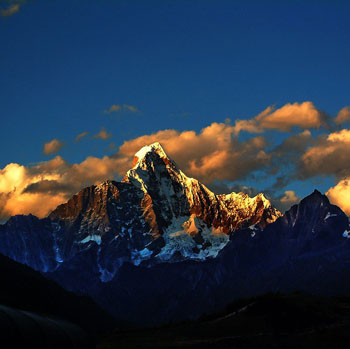 Among them, Yaomei Peak (Peak of the Youngest Sister) is the highest summit and is considered one of the most beautiful snow mountains in China.
Covered with permanent snow and glaciers, the four peaks resemble four graceful maidens wearing white veils, which inspired the name “Four Girls Mountain.”
Today, Siguniang Mountain is internationally recognized as an outstanding destination for alpine adventure, nature exploration and outdoor activities.
Rich Biodiversity of Siguniang Mountain
Siguniang Mountain is located in one of the world’s important biodiversity regions. Due to dramatic changes in altitude, the area contains a wide range of ecosystems, from subtropical forests to alpine tundra.
The vegetation zones include:
* Evergreen broad-leaved forests
* Conifer forests
* Alpine shrublands
* Highland meadows
* Alpine tundra above 5,400 meters
The region is home to extensive virgin forests containing fir, spruce, birch, alpine oak, willow and many rare alpine plants.
This rich ecological environment supports diverse wildlife and makes Siguniang Mountain one of the most valuable natural areas in western China.
Three Famous Valleys of Siguniang Mountain
 Shuangqiao Valley
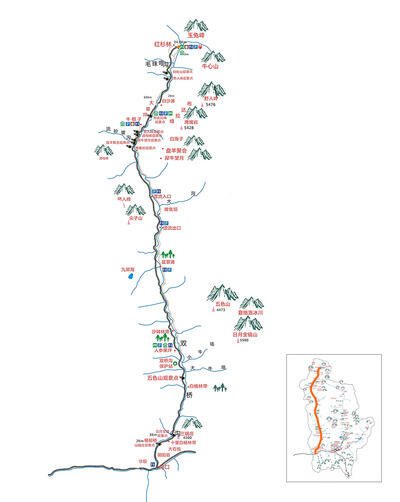
Shuangqiao Valley is the most developed and accessible valley among the three major valleys of Siguniang Mountain. Stretching for more than 40 kilometers, it is the best choice for visitors who want to enjoy spectacular scenery comfortably.
The valley features:
* Snow-covered peaks
* Glaciers
* Forests
* Alpine meadows
* Lakes
* Unique rock formations
A sightseeing shuttle bus runs through the valley, allowing visitors to easily explore famous attractions including:
* Longzhu Lake
* Wuse Mountain
* Nianyu Meadow
* Hunter Peak
* Eagle Beak Rock
* Red Fir Forest Glacier
With colorful forests, mist-covered mountains and clear streams, Shuangqiao Valley is often described as a fairyland landscape.
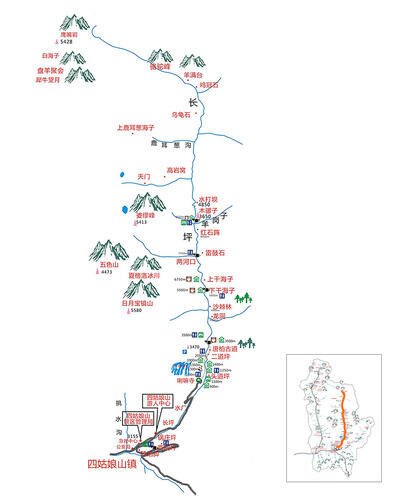 Changping Valley
Stretching approximately 29 kilometers, Changping Valley is famous for its untouched forests, alpine scenery, Tibetan culture and excellent trekking routes.
The valley offers beautiful scenery throughout the year:
* Spring: blooming wildflowers
* Summer: green forests and mountain streams
* Autumn: colorful forests
* Winter: snow-covered landscapes
Highlights include ancient forests, waterfalls, Tibetan Buddhist sites and wide alpine meadows surrounded by towering peaks.
Changping Valley is also an important gateway for trekking routes toward Bipeng Valley and climbing routes on Siguniang Mountain, making it a favorite destination for hikers, climbers and outdoor enthusiasts.
Haizi Valley
Haizi Valley is the highest and most natural of the three valleys, extending about 19.2 kilometers through vast alpine meadows and pristine mountain landscapes.
Unlike the more developed Shuangqiao Valley, Haizi Valley provides a more remote wilderness experience and is especially popular among photographers, campers and mountaineers.
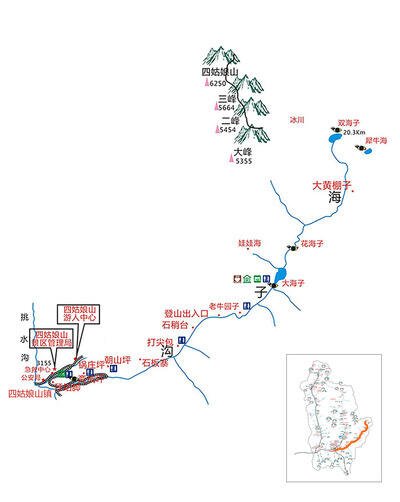 The valley contains numerous alpine lakes, including:
* Huahai Lake
* Fuhai Lake
* Lanhai Lake
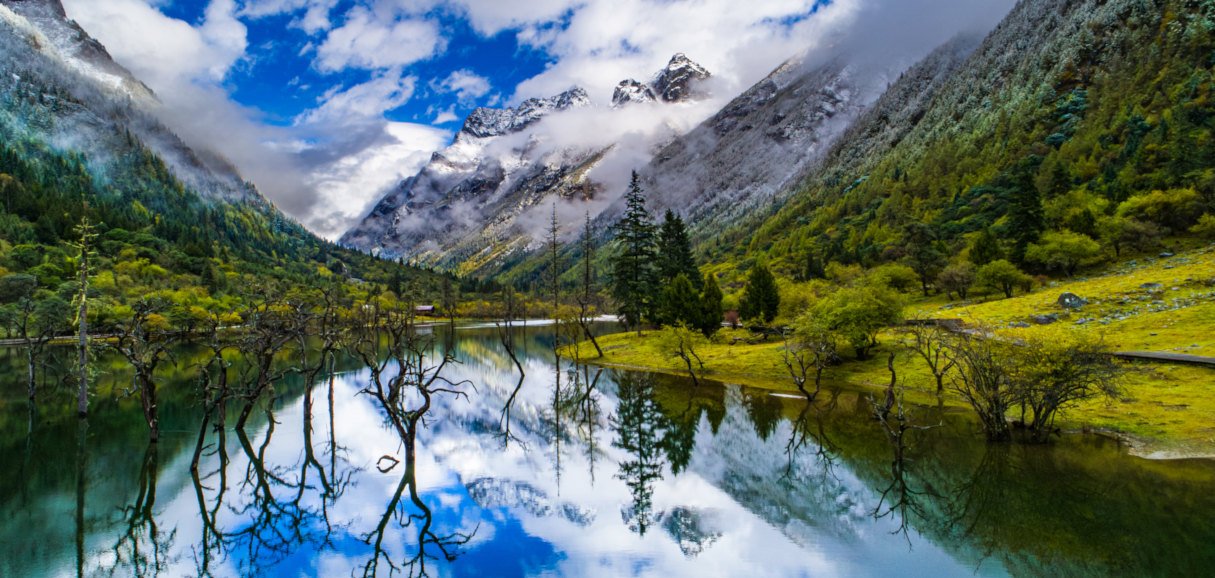
These lakes reflect the surrounding snow peaks and blue skies, creating some of the most iconic scenery in western Sichuan.
Haizi Valley is also the traditional route for climbers heading toward the four main peaks, including Yaomei Peak.
Tibetan Culture and Outdoor Adventure
Beyond its natural beauty, Siguniang Mountain is also home to the Jiarong Tibetan people, whose traditional lifestyle and cultural heritage add unique charm to the region.
Visitors can experience local Tibetan villages, traditional customs and the harmonious relationship between people and nature.
With snow mountains, glaciers, forests, lakes, wildlife and Tibetan culture, Siguniang Mountain offers unforgettable experiences for:
* Hiking
* Trekking
* Camping
* Photography
* Mountaineering
* Nature exploration
The changing seasons bring different landscapes, from the freshness of spring and the vitality of summer to the colorful forests of autumn and the elegance of winter.
Siguniang Mountain is truly a hidden paradise in western Sichuan.
Related Tours:
China Attractions Guide
- Anhui Attractions
- Beijing Attractions
- Chongqing Attractions
- Fujian Attractions
- Gansu Attractions
- Guangdong Attractions
- Guangxi Attractions
- Guizhou Attractions
- Hainan Attractions
- Henan Attractions
- Hongkong Attractions
- Hubei Attractions
- Hunan Attractions
- Heilongjiang Attractions
- Inner Mongolia Attractions
- Jiangsu Attractions
- Jilin Attractions
- Jiangxi Attractions
- Liaoning Attractions
- Manchuria Attractions

