




search for a Trip
Sanjiang Wetland Nature Reserve
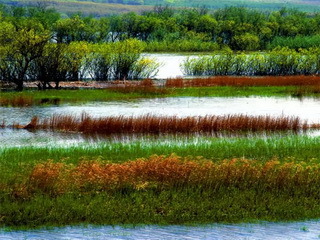
Located in the northeastern part of Heilongjiang Province, Sanjiang Wetland Nature Reserve lies at the confluence of three major rivers: the Heilongjiang River, Songhua River and Ussuri River. Formed through long-term geological subsidence and sediment accumulation, the area has developed into a vast low-lying plain with unique wetland ecosystems.
As one of the most important wetland regions in China, Sanjiang Wetland is famous for its extensive marsh landscapes, rich biodiversity and important role in protecting rare wildlife. The reserve represents one of the largest natural marsh areas in the country and is an ideal destination for birdwatching, ecological tourism and nature exploration.
Unique Geographic Environment
Sanjiang Wetland is located in the Sanjiang Plain, one of the largest alluvial plains in China. Surrounded by mountains and shaped by rivers, lakes and wetlands, the region features diverse landscapes including marshes, rivers, lakes and fertile plains.
The Wandashan Mountains divide the plain into two major ecological areas:
* The northern low marsh plain, covering more than 40,000 square kilometers
* The southern Ussuri River and Xingkai Lake alluvial plain, covering approximately 8,800 square kilometers
The unique combination of abundant rainfall, slow river flow, seasonal freezing and thawing, and water-rich soil conditions has created ideal conditions for the formation of large-scale wetlands.
China’s Largest Marshland Area
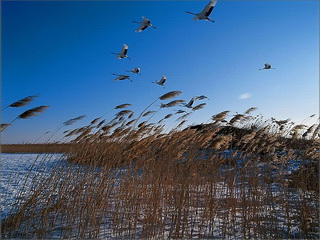
Sanjiang Wetland contains one of the largest natural marsh distributions in China, covering approximately 2.4 million hectares.
The wetlands are dominated by various aquatic and marsh plants, including:
* Reed
* Carex marsh vegetation
* Marsh willow
* Mosses and other wetland grasses
Among them, Carex marshes are the most widely distributed, accounting for a large proportion of the total marsh area.
The diverse wetland environments create habitats for numerous species of plants, birds and other wildlife, making Sanjiang Wetland an important ecological conservation area.
A Paradise for Birds and Wildlife
The vast wetlands of Sanjiang provide ideal habitats for many rare animals and birds.
The region is especially important for migratory birds, attracting numerous species throughout the year. The open marshes, rivers and grasslands create excellent conditions for birdwatching and wildlife observation.
The reserve protects a variety of ecosystems and plays a significant role in maintaining biodiversity in northeastern China.
 From “Great Northern Wilderness” to Agricultural Heartland
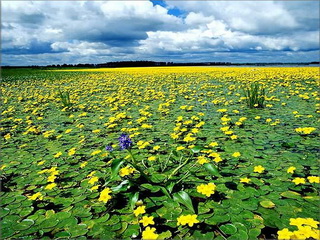
The Sanjiang Plain was once known as the “Great Northern Wilderness”, famous for endless grasslands, marshes and forests.
Over the past decades, large-scale agricultural development transformed much of the area into one of China’s most important grain-producing regions. Numerous state-owned farms were established, and the region became known as an important “grain warehouse” of China.
However, agricultural expansion also brought ecological challenges, including habitat loss, changes in water systems and pressure on wildlife resources.
Today, conservation efforts focus on balancing agricultural development with wetland protection, restoring ecosystems and preserving rare species.
Ecological Protection and Sustainable Development
Sanjiang Wetland Nature Reserve plays an essential role in protecting the natural environment of northeastern China.
Future conservation efforts emphasize:
* Sustainable use of natural resources
* Wetland restoration
* Protection of rare birds and wildlife
* Improvement of water management systems
* Development of ecological tourism
With its vast marshes, rich biodiversity and unique landscapes, Sanjiang Wetland offers visitors an opportunity to experience one of China’s most important natural ecosystems.
Related Tours:
China Attractions Guide
- Anhui Attractions
- Beijing Attractions
- Chongqing Attractions
- Fujian Attractions
- Gansu Attractions
- Guangdong Attractions
- Guangxi Attractions
- Guizhou Attractions
- Hainan Attractions
- Henan Attractions
- Hongkong Attractions
- Hubei Attractions
- Hunan Attractions
- Heilongjiang Attractions
- Inner Mongolia Attractions
- Jiangsu Attractions
- Jilin Attractions
- Jiangxi Attractions
- Liaoning Attractions
- Manchuria Attractions

