





search for a Trip
Qixinglazi National Park
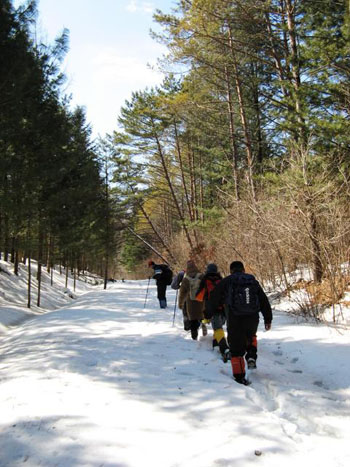 Located in Heilongjiang Province in northeast China, Qixinglazi National Park is an important wildlife conservation area dedicated to protecting the endangered Siberian tiger (Amur tiger) and its natural habitat.
The Siberian tiger is the largest living tiger species in the world and one of the most precious wild animals on Earth. Once widely distributed across the forests of northeastern China, its population has declined dramatically due to habitat loss and human activities.
Today, Qixinglazi National Park serves as a vital refuge for Siberian tigers and plays an important role in wildlife protection, ecological research and biodiversity conservation.
The Precious Siberian Tiger
The Siberian tiger, also known as the Amur tiger, is one of the most powerful predators in the world. Native to the forests of northeastern Asia, it is recognized for its impressive size, strength and adaptability to cold climates.
Historically, Siberian tigers inhabited large areas of Heilongjiang and Jilin provinces. However, due to hunting and environmental changes, their numbers decreased significantly.
In the early 1980s, surveys showed that only a small number of wild tigers remained in the region, making the Siberian tiger one of the world’s most endangered large mammals.
To protect this rare species, China established protected areas such as Qixinglazi National Park, providing a safe environment for tiger conservation and scientific research.
A Unique Natural Habitat
Covering an area of approximately 33,000 hectares, Qixinglazi National Park is located in the mountainous region where Huanan, Jixian and Shuangyashan areas meet in Heilongjiang Province.
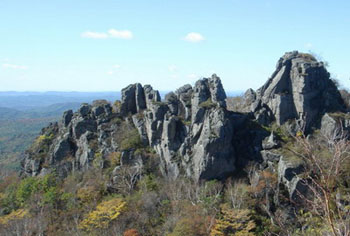
The name Qixinglazi comes from the local language and refers to the seven towering peaks located within the park.
The landscape features:
* Steep mountain peaks
* Dense temperate forests
* Clear mountain streams
* Rich wildlife habitats
The park supports diverse animal species, including:
* Wild boar
* Roe deer
* Red deer
* Lynx
* Foxes
* Other forest animals
These species provide an important food source for Siberian tigers and help maintain a balanced forest ecosystem.
With limited human disturbance, Qixinglazi remains a peaceful wilderness and an ideal habitat for endangered wildlife.
A Center for Tiger Conservation and Research
As one of the world’s rarest and most valuable mammals, the Siberian tiger has great scientific importance.
Research conducted in Qixinglazi National Park focuses on:
* Tiger population monitoring
* Habitat protection
* Wildlife ecology studies
* Biodiversity conservation
Protecting the tiger’s natural environment is essential for maintaining wild populations and restoring this magnificent species.
China has implemented strict protection measures against illegal hunting and the commercial use of tiger products, contributing to global efforts to conserve this endangered animal.
A Wildlife Sanctuary in Northeast China
With its untouched forests, abundant wildlife and important role in Siberian tiger conservation, Qixinglazi National Park represents one of China’s most valuable natural reserves.
For travelers interested in wildlife, ecology and nature exploration, the park offers a rare opportunity to discover the beauty of northeast China’s wilderness and learn about ongoing efforts to protect one of the world’s most iconic animals.
Related Tours:
China Attractions Guide
- Anhui Attractions
- Beijing Attractions
- Chongqing Attractions
- Fujian Attractions
- Gansu Attractions
- Guangdong Attractions
- Guangxi Attractions
- Guizhou Attractions
- Hainan Attractions
- Henan Attractions
- Hongkong Attractions
- Hubei Attractions
- Hunan Attractions
- Heilongjiang Attractions
- Inner Mongolia Attractions
- Jiangsu Attractions
- Jilin Attractions
- Jiangxi Attractions
- Liaoning Attractions
- Manchuria Attractions

