




search for a Trip
Chongzuo White-headed Langur Ecological Park
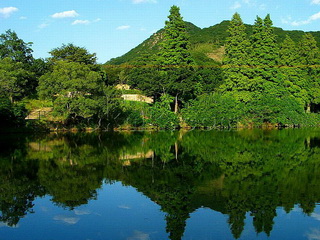
Chongzuo is located in southwestern Guangxi Zhuang Autonomous Region in southern China. It borders Nanning to the east, Baise to the north, Fangchenggang to the south and Vietnam to the west. With its dramatic karst mountains, lush forests and diverse wildlife, Chongzuo is one of the most important ecological regions in southern China.
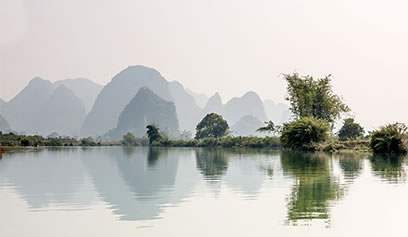
The Zuo River and You River meet in Chongzuo before continuing eastward as the Yong River. The city is characterized by mountainous and hilly terrain, with spectacular karst formations that are reminiscent of the landscapes of Guilin and northern Vietnam.
Chongzuo covers an area of approximately 17,345 square kilometers, with extensive areas of forest. Its warm and humid climate and varied terrain create favorable conditions for an exceptionally rich ecosystem.
A Biodiversity Hotspot in Guangxi
Chongzuo is renowned for its remarkable biodiversity. The region is home to thousands of plant species and hundreds of animal species, including numerous rare and nationally protected species.
Among the most notable animals are the white-headed langur, Indochinese black langur, great hornbills, pangolins and other rare wildlife. Chongzuo is particularly important for the conservation of the white-headed langur, a rare primate found only in a limited area of southwestern China.
The combination of limestone cliffs, forests, caves and karst valleys provides ideal habitats for many species. These distinctive landscapes have also helped create a relatively isolated environment in which rare plants and animals can survive.
White-headed Langur
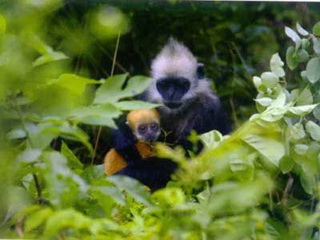
The white-headed langur is the most famous animal associated with Chongzuo. This rare primate is endemic to the karst region of southwestern Guangxi and is one of China’s most important protected wildlife species.
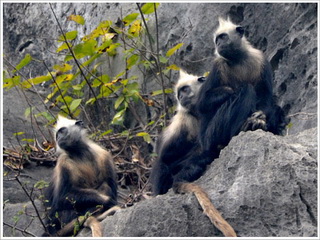
White-headed langurs are particularly well adapted to the limestone landscapes around Chongzuo. They spend much of their time on steep cliffs and in forested areas, feeding primarily on leaves, young shoots, fruits and other plant material.
The species has faced serious threats from habitat loss and human activities in the past. Conservation programs and habitat protection have helped stabilize and increase its population, making Chongzuo an important center for white-headed langur conservation and research.
 Chongzuo White-headed Langur Ecological Park
Chongzuo White-headed Langur Ecological Park is located in the karst region of southwestern Guangxi, near the border of Luobai Town and Banli Town. It is approximately 130 kilometers from Nanning.
Covering an area of around 30 square kilometers, the ecological park protects a diverse natural environment of limestone mountains, forests and valleys. The area’s abundant rainfall and mild subtropical climate provide favorable conditions for a wide variety of plants and wildlife.
More than 1,000 plant species have been recorded in the broader region, including rare plants such as the golden camellia. The ecological park also provides an important habitat for numerous species of animals, with the white-headed langur being its most distinctive resident.
Visitors may have the opportunity to observe white-headed langurs moving between the forest and limestone cliffs in their natural habitat. Seeing these rare animals in the wild is one of the highlights of visiting Chongzuo.
Karst Landscapes and Natural Scenery
The natural environment surrounding Chongzuo is another major attraction. Towering limestone peaks, deep valleys, caves, rivers and dense forests form a dramatic landscape similar to other famous karst regions in southern China.
The karst environment is particularly important for biodiversity because the isolated limestone mountains and valleys create different ecological niches. Some rare plants and animals found in the region are closely associated with these unique habitats.
For visitors interested in nature, photography and wildlife, the combination of spectacular karst scenery and rare animals makes Chongzuo a fascinating destination.
 Detian Waterfall and Nearby Attractions
Chongzuo is also known for its spectacular natural scenery beyond the white-headed langur reserve. One of the region’s most famous attractions is Detian Waterfall, located along the China-Vietnam border. The waterfall is surrounded by karst mountains and lush vegetation, creating one of the most impressive landscapes in southern Guangxi.
Another notable destination is Tongling Gorge, a dramatic natural gorge surrounded by cliffs, forests and waterfalls. The gorge features distinctive karst formations and rich plant life, including species associated with its isolated environment.
Together, the white-headed langur ecological areas, karst mountains, rivers, waterfalls and tropical forests make Chongzuo one of the most attractive destinations in Guangxi for travelers interested in nature and wildlife.
A Wildlife Destination in Southern China
Chongzuo White-headed Langur Ecological Park offers visitors a rare opportunity to discover one of China’s most distinctive wild animals in its natural environment. The park also demonstrates the importance of protecting the fragile karst ecosystems of southwestern Guangxi.
With its rare white-headed langurs, rich biodiversity, dramatic limestone landscapes and proximity to attractions such as Detian Waterfall, Chongzuo is an excellent destination for wildlife enthusiasts, nature lovers and travelers seeking an off-the-beaten-path experience in southern China.
Related Tours:
China Attractions Guide
- Anhui Attractions
- Beijing Attractions
- Chongqing Attractions
- Fujian Attractions
- Gansu Attractions
- Guangdong Attractions
- Guangxi Attractions
- Guizhou Attractions
- Hainan Attractions
- Henan Attractions
- Hongkong Attractions
- Hubei Attractions
- Hunan Attractions
- Heilongjiang Attractions
- Inner Mongolia Attractions
- Jiangsu Attractions
- Jilin Attractions
- Jiangxi Attractions
- Liaoning Attractions
- Manchuria Attractions

