




search for a Trip
Changqing Nature Reserve in Shaanxi Province
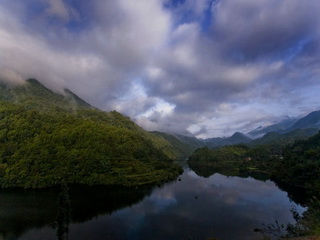 Changqing Nature Reserve is located in the Qinling Mountains of Shaanxi Province, approximately 300 kilometers south of Xi’an. Rising to elevations of more than 3,000 meters, the reserve is an important ecological area and one of the most valuable wildlife habitats in central China.
The reserve is particularly famous for its population of giant pandas, as well as golden monkeys, golden takins and crested ibises. These four rare species are often regarded as China’s “Four National Treasures,” making Changqing Nature Reserve an exceptional destination for wildlife enthusiasts and nature lovers.
A Haven for Rare Wildlife
Changqing Nature Reserve provides important habitat for some of China’s most iconic and endangered animals. In addition to giant pandas, the forests and mountains are home to golden takins, golden monkeys and crested ibises, along with numerous other species of mammals, birds, reptiles, amphibians and fish.
The reserve’s diverse habitats range from low-altitude valleys and forests to high mountain areas. This variety of landscapes creates ideal conditions for a remarkable range of wildlife.
Among the most important species found here are the:
* Giant panda (Ailuropoda melanoleuca)
* Golden snub-nosed monkey (Rhinopithecus roxellana)
* Golden takin (Budorcas taxicolor bedfordi)
* Crested ibis (Nipponia nippon)
The presence of these four rare species highlights the outstanding ecological importance of the Qinling Mountains.
 Rich Biodiversity
Changqing Nature Reserve lies near the geographical boundary between northern and southern China. This special location creates a transition between different climatic and ecological zones and contributes to the area’s exceptional biodiversity.
The reserve supports a great variety of plant species, including thousands of species of seed plants. Many rare and threatened plants are also protected within the reserve, together with numerous species of medicinal plants that have traditionally been used in Chinese medicine.
The dense forests, mountain streams and diverse vegetation provide food and shelter for wildlife throughout the year. For visitors, the changing vegetation and landscapes along the mountain roads offer an opportunity to appreciate the ecological diversity of the Qinling region.
The Giant Panda’s Qinling Habitat
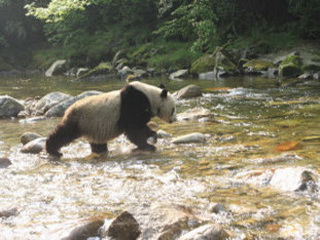
One of the greatest attractions of Changqing Nature Reserve is its role in protecting the Qinling population of giant pandas. Unlike the giant pandas found in Sichuan, Qinling pandas inhabit the forests of the Qinling Mountains in Shaanxi.
The reserve’s extensive mountain forests provide an important natural habitat for these iconic animals. Although seeing a giant panda in the wild requires patience and favorable conditions, the possibility of encountering signs of panda activity makes a visit especially exciting for wildlife enthusiasts.
The surrounding bamboo forests and relatively undisturbed mountain environment are essential to the long-term survival of the Qinling panda population.
The Four National Treasures
Changqing Nature Reserve is particularly notable for protecting four of China’s most treasured wild animals.
The giant panda is perhaps China’s most internationally recognized animal and an important symbol of wildlife conservation.
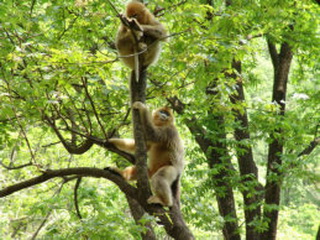
The golden snub-nosed monkey is famous for its distinctive golden-orange fur and is highly adapted to the high-altitude forests of the Qinling Mountains.
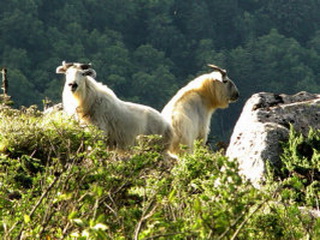
The golden takin is a large and powerful mountain ungulate. Its impressive appearance and preference for rugged mountain terrain make it one of the most fascinating mammals found in the region.
The crested ibis is one of the world’s rarest birds and has been the focus of major conservation efforts in neighboring areas of southern Shaanxi.
The presence of these four species in the wider Qinling ecosystem demonstrates the remarkable ecological value of the region.
Natural and Cultural Heritage
Changqing Nature Reserve is not only a destination for wildlife observation. The area also contains important traces of China’s history and culture.
The ancient Tangluo Trail, dating back to the Han Dynasty, once crossed the Qinling Mountains and served as an important route connecting northern and southern China. Visitors can also find remains of ancient temples, shrines and roads throughout the surrounding landscape.
These historical sites add a cultural dimension to a journey through the reserve, allowing visitors to experience the relationship between people, mountain routes and the natural environment over many centuries.
Traditional Village Life
A visit to the Changqing area also provides an opportunity to experience traditional rural life in the Qinling Mountains. Local villages retain elements of traditional lifestyles and agricultural practices, offering a glimpse into how communities have adapted to their mountainous surroundings.
The combination of wildlife, forests, traditional villages and historic mountain routes makes Changqing Nature Reserve different from a conventional sightseeing destination.
Discover the Qinling Mountains
With its spectacular mountain scenery, rich biodiversity and remarkable concentration of rare wildlife, Changqing Nature Reserve is one of the best places to experience the natural heritage of the Qinling Mountains.
For travelers interested in giant pandas, wildlife photography, hiking, ecology and Chinese cultural heritage, Changqing offers an opportunity to explore a relatively untouched mountain environment and discover some of China’s most iconic species in their natural habitat.
Related Tours:
China Attractions Guide
- Anhui Attractions
- Beijing Attractions
- Chongqing Attractions
- Fujian Attractions
- Gansu Attractions
- Guangdong Attractions
- Guangxi Attractions
- Guizhou Attractions
- Hainan Attractions
- Henan Attractions
- Hongkong Attractions
- Hubei Attractions
- Hunan Attractions
- Heilongjiang Attractions
- Inner Mongolia Attractions
- Jiangsu Attractions
- Jilin Attractions
- Jiangxi Attractions
- Liaoning Attractions
- Manchuria Attractions

