Kunming, the capital city of Yunnan Province, is not only famous for its pleasant climate and beautiful landscapes but also serves as an important cultural center in southwest China. The city is home to several excellent museums, where visitors can explore Yunnan’s ancient history, diverse ethnic traditions, art, and cultural heritage.
Yunnan Provincial Museum
The Yunnan Provincial Museum is one of the most important cultural institutions in southwest China. The former museum located in downtown Kunming has been replaced by a new modern facility near Guandu Ancient Town, which officially opened on May 18, 2015.
Designed as a landmark cultural building, the museum provides an impressive space for displaying Yunnan’s rich historical and artistic heritage. Unlike a simple collection of artifacts, the museum presents a comprehensive story of the province’s civilization, cultural exchanges, and ethnic diversity.
Covering an area of about 10 hectares, the museum features six permanent exhibitions and four special exhibitions. Visitors can admire precious collections including ancient ceramics, paintings, bronze artifacts, archaeological discoveries, and contemporary artworks, many of which are displayed to the public for the first time.

Yunnan Ethnic Museum
The Yunnan Ethnic Museum is dedicated to showcasing the unique cultures and traditions of Yunnan’s many ethnic groups. As one of the largest ethnic culture museums in Southeast Asia, it houses an extensive collection of historical objects, traditional costumes, handicrafts, religious items, and daily-life artifacts.
Through its exhibitions, visitors can gain a deeper understanding of the customs, beliefs, architecture, festivals, and lifestyles of Yunnan’s diverse ethnic communities, including the Yi, Bai, Dai, Naxi, Miao, Tibetan, and other groups.
Kunming City Museum
The Kunming City Museum is a comprehensive local museum covering an area of approximately 20,000 square meters. It introduces the history and cultural development of Kunming through archaeological discoveries, historical documents, and themed exhibitions.
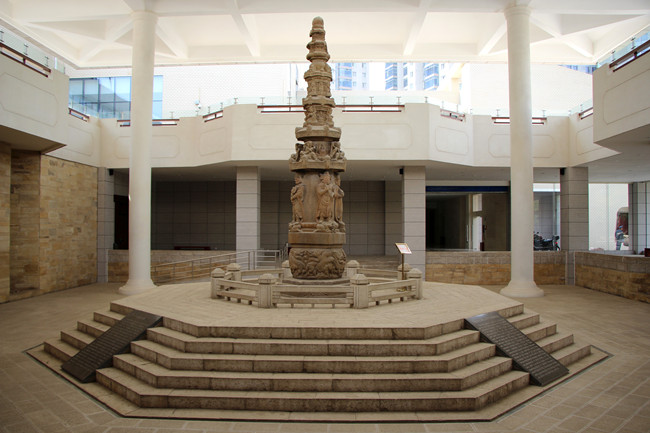
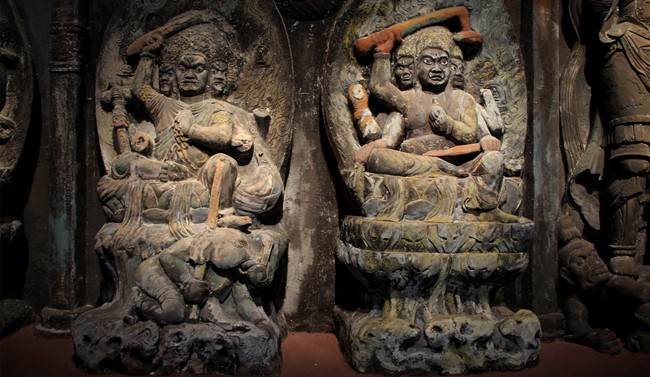
One of the museum’s most important treasures is the Buddhist Sutra Stone, carved during the Dali Kingdom period (938–1253) of the Song Dynasty. The museum also features special exhibitions such as the Flying Tigers Memorial Hall, which introduces the history of the American volunteer aviation group that supported China during World War II, and the Bronze Culture Hall, displaying Yunnan’s ancient bronze civilization.
Yunnan Railway Museum
The Yunnan Railway Museum focuses mainly on the history of the Yunnan–Vietnam Railway (Kunming–Hanoi Railway), one of the most remarkable engineering achievements in China’s railway history.
Built in the early 20th century, the railway connected Kunming with Vietnam and played an important role in regional transportation, trade, and cultural exchange. Through historical photographs, railway equipment, and preserved train models, visitors can learn about the development of railway transportation in Yunnan and the important role it played in connecting southwest China with the outside world.