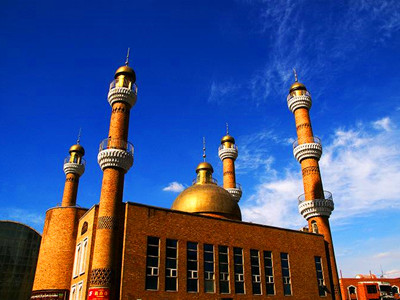
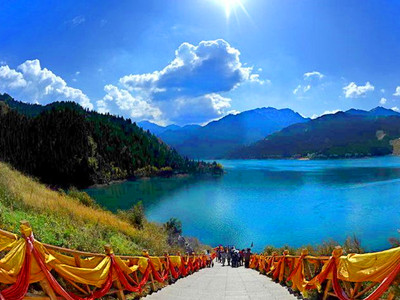
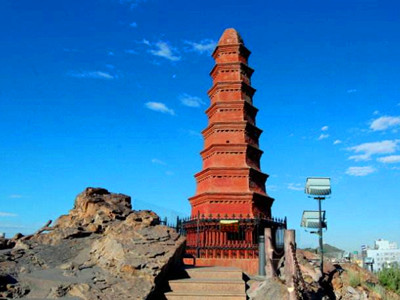
Turpan, located approximately 150 kilometers southeast of Urumqi in the heart of the Turpan Basin, is one of the most fascinating destinations along the ancient Silk Road. With a history dating back more than 2,000 years, Turpan has long been a strategic crossroads where Chinese civilizations and northern nomadic tribes competed for influence. During the Yuan Dynasty (1271–1368), when the Silk Road reached an unprecedented period of prosperity, Turpan flourished as a vital oasis city connecting China with Central Asia.
Known as one of the hottest places in China, Turpan features an extremely dry continental climate with scorching summers, limited rainfall, high evaporation rates, strong winds, and a long frost-free period. Temperatures in the basin can reach around 47°C (117°F) during peak summer. Visitors traveling in July, August, and September should prepare carefully by bringing sufficient drinking water, sunscreen, sunglasses, and sun protection. The harvest season, especially when the vineyards are filled with ripe grapes, is considered the best time to explore Turpan.
Top Attractions in Turpan
1. Jiaohe Ruins
Located about 10 kilometers west of Turpan, the Jiaohe Ruins are among the best-preserved ancient city ruins along the Silk Road. The city was built on a natural island between two rivers, which gave rise to its name “Jiaohe,” meaning “the meeting point of two rivers.”
Dating back approximately 2,000 years, Jiaohe was once the capital of the ancient Cheshi Kingdom and later became an important political, economic, and cultural center controlled by the Gaochang people. Built mainly from sun-dried earth, the ruins offer visitors a remarkable glimpse into the architectural style and urban planning of ancient Central Asia.
2. Karez Well System
The Karez Underground Water System is an ingenious underground irrigation system that transformed the dry Turpan Basin into a fertile agricultural region. Using underground channels to transport snowmelt from the Tianshan Mountains, the karez system provided a stable water supply while reducing evaporation.
Together with the Dujiangyan Irrigation System and the Grand Canal, the Karez system is recognized as one of the greatest ancient water projects in China. Today, visitors can explore underground channels and learn about the traditional wisdom behind this remarkable engineering achievement.
3. Grape Valley
Located northeast of Turpan at the foot of the Flaming Mountains, Grape Valley is a beautiful oasis famous for its vineyards and sweet local grapes. The valley stretches about 8 kilometers long and 0.6–2 kilometers wide, creating a striking contrast between the surrounding desert landscape and lush green vineyards.
Towering poplar trees, traditional grape trellises, colorful flowers, and refreshing streams make Grape Valley a pleasant place to escape the summer heat. It is also an excellent destination to experience Uyghur culture, taste fresh grapes, and learn about local wine production.
4. Flaming Mountains
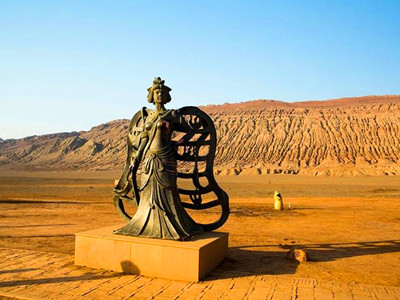
The Flaming Mountains are one of Turpan’s most iconic natural landmarks. Famous throughout China because of the classic novel Journey to the West by Ming Dynasty writer Wu Cheng’en, the mountains are closely associated with the legendary Monkey King and his adventures.
Located about 10 kilometers east of Turpan, the Flaming Mountains stretch approximately 100 kilometers from east to west and are around 9 kilometers wide. The average elevation is about 500 meters, while the highest peak near Shengjinkou reaches 831 meters. The reddish-brown sandstone ridges create a spectacular “burning” appearance under the intense desert sunlight, especially during summer.
Transportation to Turpan
Turpan has convenient transportation connections with major cities in Xinjiang and other parts of China.
* By Train: Turpan Railway Station is located about 50 kilometers from the city center and provides connections to Urumqi, Korla, Beijing, Shanghai, and other destinations.
* By Road: Turpan has a well-developed highway network. National Highways 312 and 314 pass through the region, making road travel convenient.
* By Bus: Visitors can take buses from Turpan Coach Station and Daheyan Coach Station to major cities and towns throughout Xinjiang. During summer, buses generally operate from around 7:30 am to 8:30 pm, while winter schedules are approximately 8:30 am to 7:30 pm.
With its ancient Silk Road heritage, unique desert landscapes, ingenious water systems, and vibrant grape-growing culture, Turpan is an essential stop for travelers exploring Xinjiang and one of the most memorable destinations in western China.