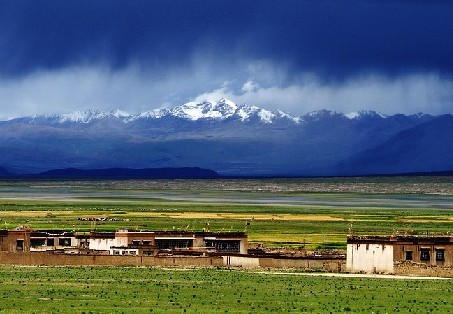
Located in Tingri County of the Shigatse Prefecture, Tingri (also spelled Dingri or Dhingri) is a remote high-altitude town in southern Tibet and an important stop for travelers heading toward Mount Everest. Sitting at an elevation of around 4,300 meters (14,107 feet), Tingri is surrounded by some of the world’s highest mountains and offers spectacular views of the Himalayas.
With a population of only several hundred people, Tingri remains a small and peaceful Tibetan settlement. Due to its strategic location near Mount Everest and Mount Cho Oyu, it has long served as a base for mountaineers preparing for Himalayan expeditions.
Tingri: A Gateway to the Himalayas
Tingri Shekar (Dring ri Shel dkar) is located approximately 60 kilometers northwest of Mount Everest and about 50 kilometers from the Nepal border. The town lies on the edge of the famous Tingri Plain, a vast highland basin situated at an altitude of more than 4,500 meters.
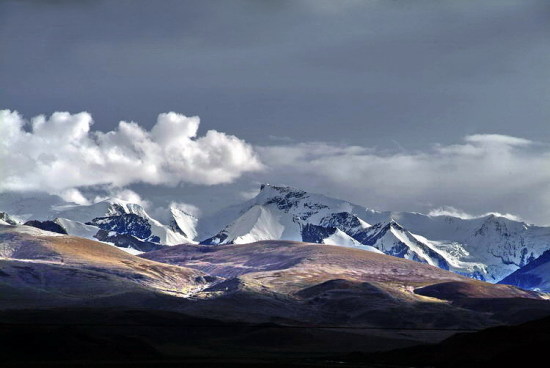
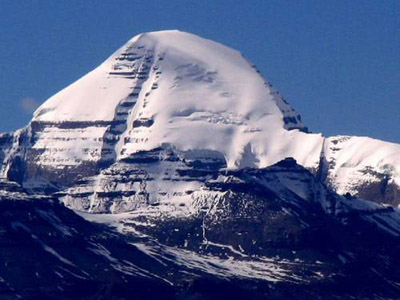
The region is renowned for its incredible Himalayan scenery. From Tingri, travelers can enjoy breathtaking views of several world-famous peaks, including Mount Everest, Mount Lhotse, and Mount Makalu. The surrounding mountain range forms one of the most spectacular landscapes on Earth and makes Tingri a popular destination for photographers, trekkers, and adventure travelers.
History of Tingri and Shekar Dzong
Above the modern town stands the historic Shekar Dorje Dzong, an ancient fortress that once protected the settlement. The fort originally enclosed Shekar Chode Monastery, a Gelugpa monastery that was destroyed during historical upheavals and is currently undergoing restoration.
The ruins of Shekar Dzong remain an important cultural landmark. From the fortress, visitors can admire panoramic views of the surrounding valleys and snow-covered Himalayan peaks, making it one of the best viewpoints in the Tingri region.
Ancient Trading Center on the Tibetan Plateau
Historically, Tingri was an important trading hub between Tibet and Nepal. Sherpa traders from Nepal traveled through the region to exchange goods such as rice, grain, and iron products for Tibetan wool, livestock, and salt.
The town’s location made it a natural crossroads between the Tibetan Plateau and the Himalayan region. Today, traces of this historical role can still be found in the local culture, traditional lifestyles, and the region’s connection with neighboring Himalayan communities.
Natural Landscape of Tingri Plain
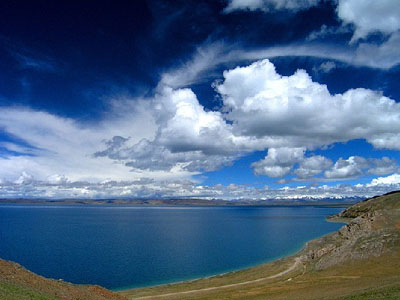
The Tingri Plain is a vast alpine grassland surrounded by snow-covered mountains. Meltwater streams from glaciers and mountain snow create shallow rivers that flow through the meadows, providing ideal conditions for Tibetan pastoral life.
The grasslands once supported large populations of wildlife, including Tibetan gazelles, blue sheep, antelopes, and wild asses (khyang). Although wildlife numbers have declined over time, the region remains an important high-altitude ecosystem with remarkable natural scenery.
Visitors can experience the peaceful beauty of the Tibetan plateau, observe traditional yak and sheep grazing, and enjoy the dramatic contrast between golden grasslands and towering Himalayan peaks.
Visiting Tingri
Tingri is an essential stop on many Tibet Everest Base Camp tours and western Tibet adventure routes. Its combination of Himalayan views, Tibetan culture, historic sites, and untouched landscapes makes it one of the most memorable destinations in the region.
For travelers seeking magnificent mountain scenery and an authentic Tibetan plateau experience, Tingri provides a perfect introduction to the remote beauty of southern Tibet.