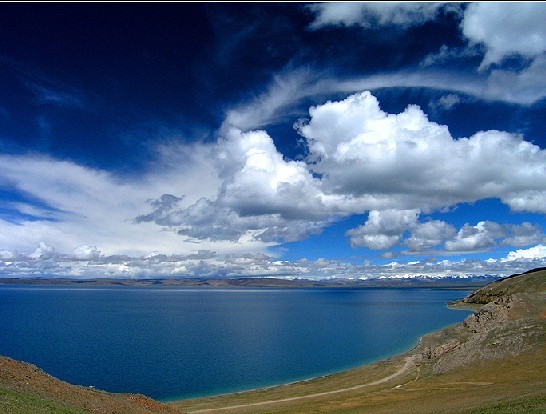
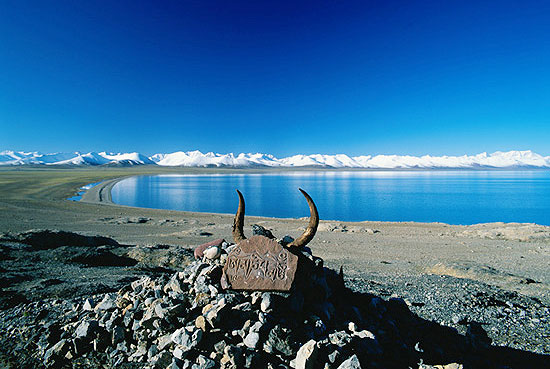
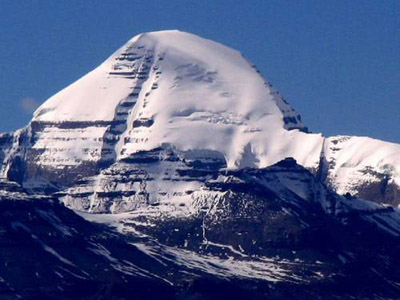
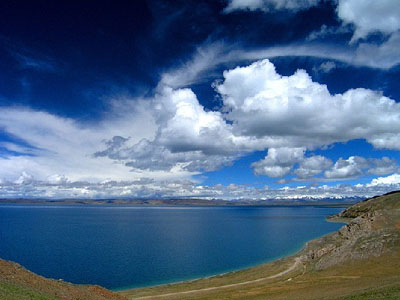
Located in the Tibet Autonomous Region, Namtso Lake is one of the most spectacular natural wonders on the Qinghai-Tibet Plateau. In November 2005, Namtso was selected by Chinese National Geography magazine as one of the five most beautiful lakes in China. With its crystal-clear waters, vast blue horizon, and snow-capped mountain backdrop, Namtso is an essential destination for travelers seeking Tibet’s most iconic landscapes.
In Tibetan, Namtso means “Heavenly Lake.” As one of the three sacred lakes of Tibet, it holds profound religious significance among Tibetans and is regarded as a symbol of purity, holiness, and harmony between nature and spirituality.
Situated at an altitude of approximately 4,720 meters (15,485 feet) above sea level, Namtso is the largest lake in Tibet and the highest-altitude saltwater lake in the world. Covering an area of about 1,961 square kilometers (757 square miles), it is also the second-largest saltwater lake in China after Qinghai Lake.
Natural Beauty of Namtso Lake
Namtso is famous for its breathtaking scenery. The lake’s deep blue waters reflect the surrounding snow-covered mountains and endless sky, creating a stunning panorama that seems to merge heaven and earth. The purity of the lake and the peaceful atmosphere make visitors feel refreshed and spiritually renewed.
The lake is mainly fed by rainfall and melted snow from the surrounding mountains. Five islands rise from the waters of Namtso, with Liangduo Island being the largest. In addition, five peninsulas extend into the lake from different directions, among which Zhaxi Peninsula is the most famous.
Zhaxi Peninsula is known for its unique natural landscapes, including unusual rock formations, towering peaks, and mysterious caves. Some rocks resemble animals, human figures, or trees, while others form natural stone sculptures shaped by wind and water over thousands of years. The area is also home to quiet grottoes, natural stone steps, and spectacular geological formations, creating a landscape full of mystery and imagination.
Wildlife and Best Time to Visit
Summer is considered the best season to visit Namtso Lake. During this period, the surrounding grasslands become vibrant with life. Wild yaks, Tibetan hares, and other animals can often be seen wandering along the lakeshore. Migratory birds arrive in large numbers to breed, while fish swim in the clear waters beneath the sunlight.
The surrounding grasslands are dotted with herds of sheep and cattle, resembling moving white clouds across the green landscape. The peaceful songs of local herders echo through the valleys, adding to the unique charm of the Tibetan plateau.
For Tibetans, Namtso represents beauty, happiness, and blessings from nature. Its magnificent scenery and spiritual atmosphere make it one of the most unforgettable destinations in Tibet.
Religious Significance of Namtso Lake
Beyond its natural beauty, Namtso is also an important Buddhist pilgrimage site. Located on Zhaxi Peninsula, Zhaxi Temple attracts many pilgrims every year.
According to Tibetan Buddhist tradition, during the Year of the Sheep in the Tibetan calendar, thousands of believers travel to Namtso to worship and complete a sacred pilgrimage around the lake. Pilgrims traditionally walk clockwise around Namtso to receive blessings from the deities.
With its magnificent landscapes, sacred traditions, and peaceful atmosphere, Namtso Lake offers travelers a rare opportunity to experience the spiritual heart of Tibet and the extraordinary beauty of the Qinghai-Tibet Plateau.