




Provide guide rental service only. If you want to “hire” a professional and licensed guide in Chengdu, China Exploration is ready to help. We are local in Chengdu and have done inbound travel servi......
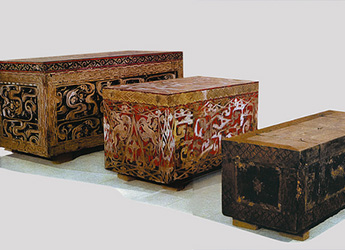 More than 3,000 relics have been unearthed from the three tombs, such as silk products, silk books, silk paintings, lacquer works, potteries, bamboo slips used for writing, weapons, herbs, and so on. The number of the lacquer works is the largest, including ancient cooking vessels, boxes, kettles, plates and folding screens, and the like. Red or black colors were painted on them. Most of the potteries contain food. The mouths of the containers were tightly stuffed by grass and mud. Bamboo brands with the name of the food tied on the outside of the containers' necks. There are wooden tomb figurines both clothed and unclothed. The reason is that they had different social status according the strict ranking system during the West Han Dynasty. The silk clothes from Number 1 tomb are in a variety of styles and of fine workmanship. One of the most outstanding representatives is a silk coat which is as light as the mist and as fine as gossamer. It is 1.28 meters (about 1.40 yards) in length with a pair of long sleeves, but weighs only 49 grams. Amazing! The coffin excavated from Number 1 tomb is decorated with the odd images of animals and gods on its lacquered surface and has a relatively high artistic value.
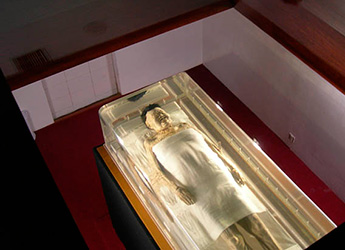 The sarcophagus of Number 1 tomb was covered by a colorful silk painting. It is the best preserved painting of its kind of Han Dynasty (206BC-220) with the highest artistic value in China. It is in the shape of the English letter 'T', so people also call it 'T' silk painting. In fact, this kind of silk painting was called 'long narrow flag' in ancient time and used for funerals. It was held by the person who headed the funeral procession and then draped over the coffin when burying the dead. This particular silk painting from Number 1 tomb can be divided into three parts. The upper part is about the heaven, the middle part is about the earth and the lower part is about the afterlife. Heaven means the end-result for life of the dead. Earth shows the wealth and nobility of the dead when alive. World after death displays the happiness of the dead in the afterworld. The whole painting is symmetrical and colorful with fine depiction, reflecting the lofty painting skill in the Western Han Dynasty. All the mysteries, strange animals and mysterious signs in the painting present us with a romantic world with its own sense of symbolism. As yet no one has been able to interpret its real meaning.
|
Admission Fee:
|
CNY 2
|
|
Opening Hours:
|
08:00 - 16:30 (summer);
09:00 - 16:00 (winter) |
|
Recommended Visiting Time:
|
Half a day
|
|
Bus Route:
|
Take bus nos. 10, 14, and 112 to get there.
|
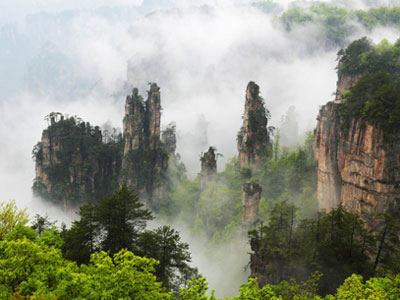
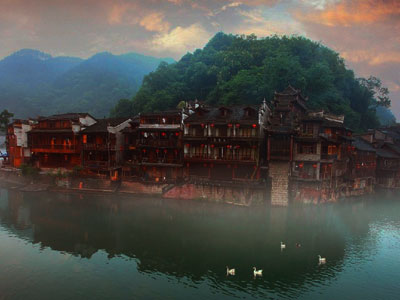
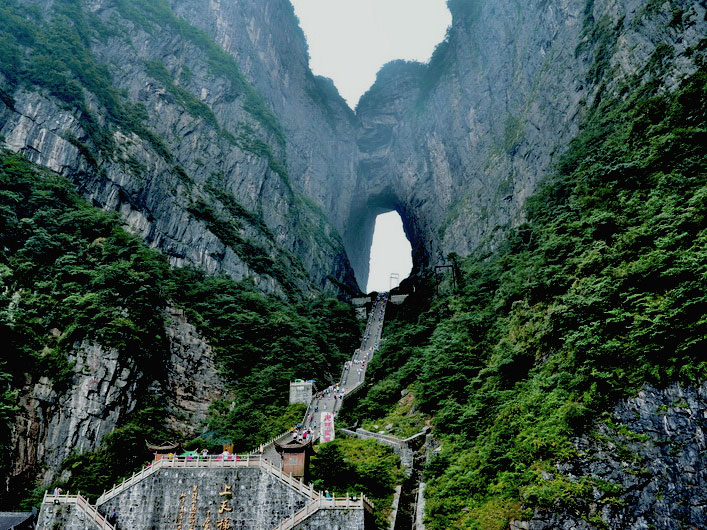
Provide guide rental service only. If you want to “hire” a professional and licensed guide in Chengdu, China Exploration is ready to help. We are local in Chengdu and have done inbound travel servi......
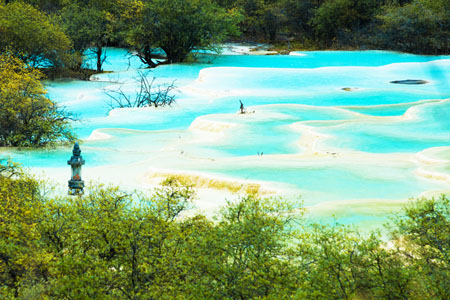
The classic 8 Days tours of Jiuzhaigou,Leshan and Chengdu, which covered almost all of the top attractions of Sichuan. ......
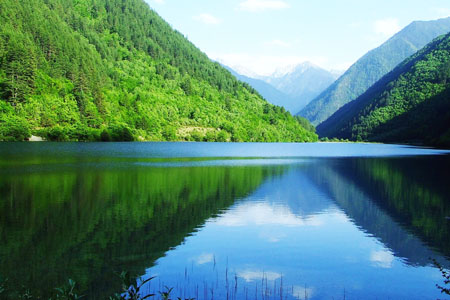
The daily package tours to Jiuzhaigou and Huanglong, please inquire us before your booking because prices may vary every day. Jiuzhaigou National Parks and Huanglong National Parks are most famous tour......
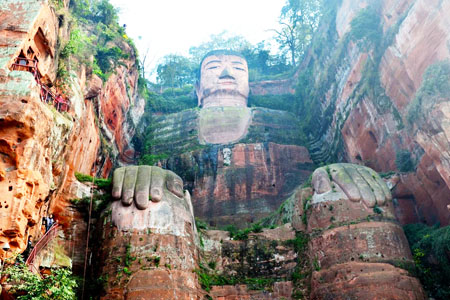
Offering classic 3 days' tour to Chengdu, Leshan and Emeishan. Chengdu is the home of giant Panda, also famous for the Emeishan mountain and Leshan Giant Buddha. ......
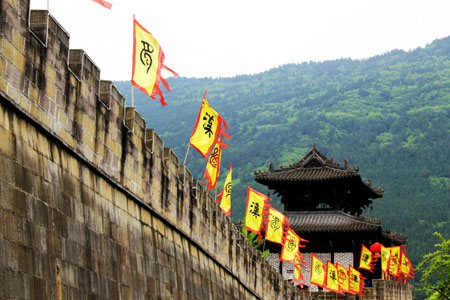
Sichuan plain is a paradise for tourist, and a lot of beautiful nature reserves and historical sites are scattered in the cities and mountains around it. Mianyang, Guangyuan and Nanchang prefecture are......
Provide private tours to Jiuzhaigou valley for tourist both by flights or overland bus tours, and just tell your need, and we will tailor-made a private package for your tour to Jiuzhaigou and Huanglon......

