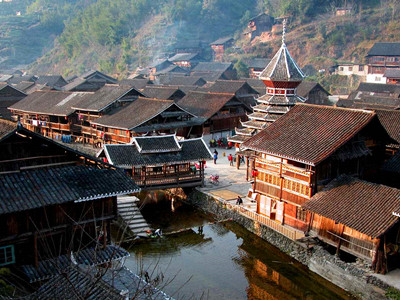
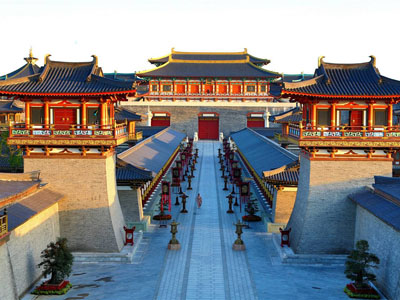
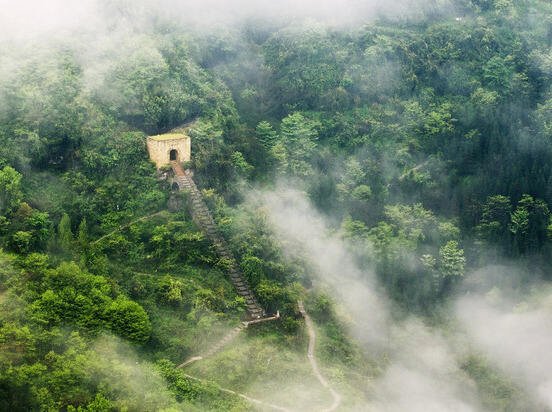
 Hailongtun Fortress is a remarkable UNESCO World Heritage Site located in Bozhou District, Zunyi, Guizhou Province. Originally constructed in 1257 during the Southern Song Dynasty and destroyed in 1600 during the Ming Dynasty’s military campaign against the Bozhou Tusi, the fortress is the best-preserved mountain stronghold associated with China’s ancient Tusi (Native Chieftain) System.
Perched atop steep mountains and surrounded by dramatic natural scenery, Hailongtun combines military engineering, political history, and archaeological significance. As Guizhou Province’s only UNESCO World Heritage Site, it offers visitors a fascinating journey into one of the most unique chapters of Chinese frontier history.
A Fortress Built for Mountain Defense
Hailongtun was constructed by Yang Wen, the 15th hereditary ruler of the Bozhou Yang clan, during the Song-Mongol Wars. Designed as a strategic mountain fortress approved by the Southern Song imperial court, it occupied a naturally defensible location high above the surrounding valleys.
The fortress remained the political and military center of the Bozhou Tusi for more than three centuries before being rebuilt during the Ming Dynasty. Following the Bozhou Campaign in 1600, imperial forces destroyed the fortress, ending over 700 years of hereditary rule by the Yang family and replacing the Tusi administration with direct imperial governance.
Today, the surviving ruins vividly illustrate the evolution of frontier administration and military architecture in southwest China.
UNESCO World Heritage Site
On 4 July 2015, Hailongtun was inscribed on the UNESCO World Heritage List as part of the Tusi Sites World Heritage property.
The site was recognized for its outstanding testimony to the Tusi system, a unique administrative institution used by successive Chinese dynasties to govern ethnic minority regions through hereditary local chieftains while maintaining national unity.
Today, Hailongtun remains the only UNESCO World Heritage Site in Guizhou Province, making it one of the province’s most significant cultural attractions.
Explore Ancient Military Architecture
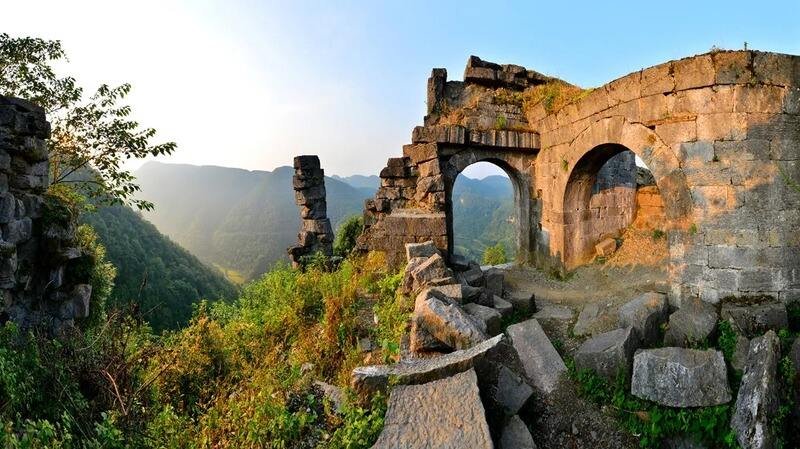
Covering a protected heritage area of more than 160 hectares, Hailongtun preserves one of Asia’s finest collections of ancient mountain military architecture.
Visitors can explore:
* Massive stone defensive walls extending nearly 5.8 kilometers
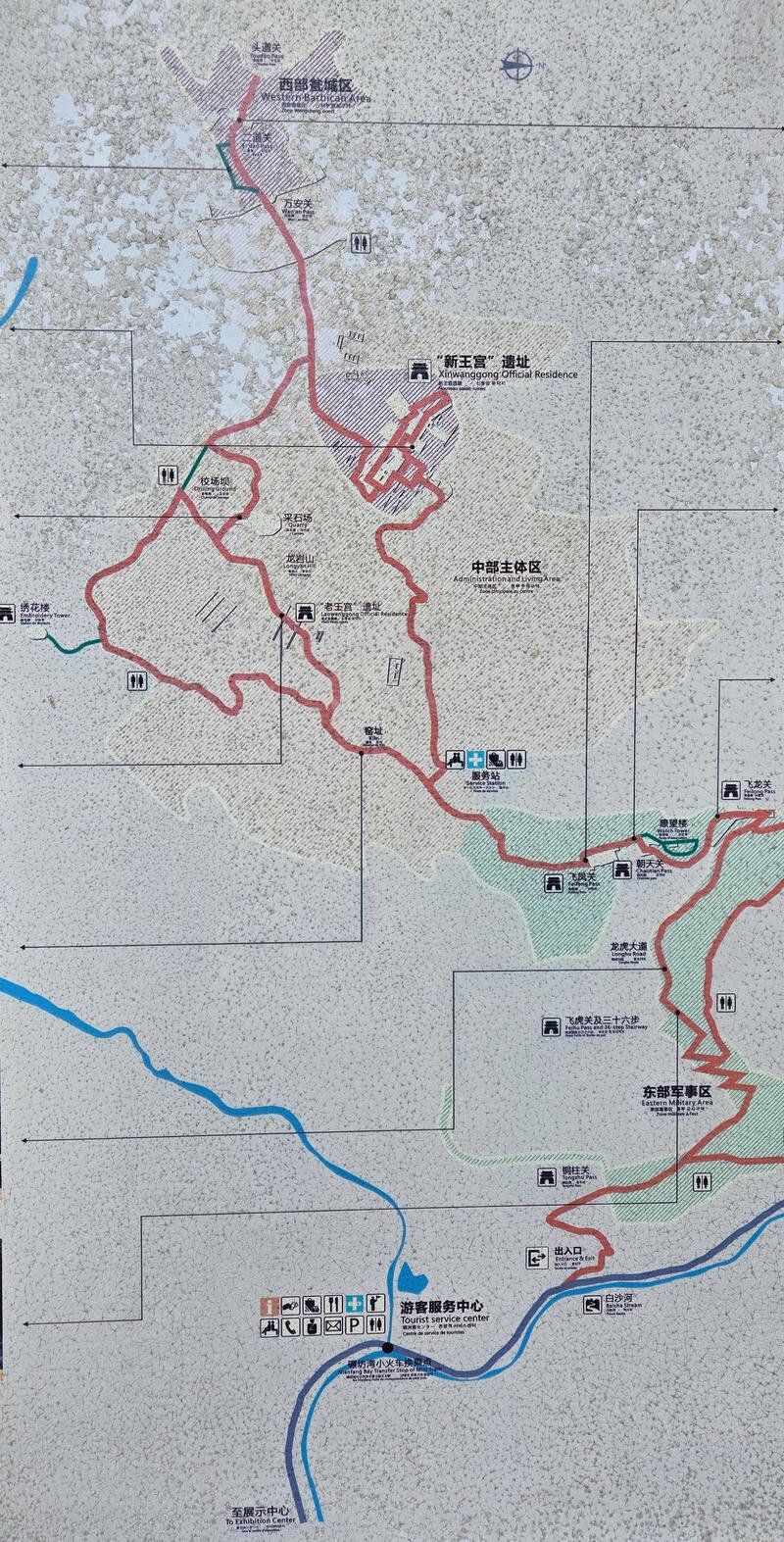
* Nine fortified mountain gates, including Iron Pillar Pass, Copper Pillar Pass, Flying Tiger Pass, Flying Dragon Pass, Chaotian Pass, Flying Phoenix Pass, and Wan’an Pass
* Ancient barracks and military training grounds
* Watchtowers and defensive fortifications
* The ruins of the Old Palace and New Palace
* Historic kiln sites and stone quarries
* Ancient wells and transportation routes, including the famous Dragon-Tiger Avenue and the dramatic 36-Step Stairway
Walking through these mountain ruins allows visitors to experience the strategic planning and engineering achievements that once protected one of southwest China’s most powerful frontier strongholds.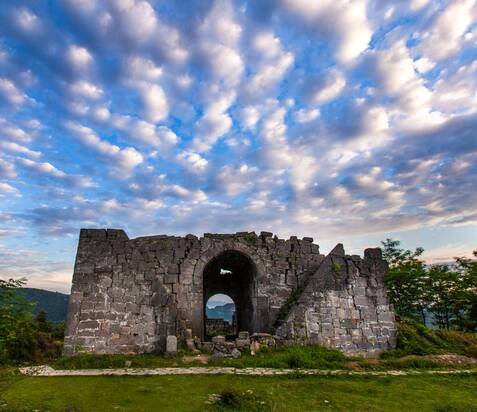
Rich Archaeological Discoveries
Archaeological excavations have uncovered more than 15,000 artifacts, including ceramics, weapons, architectural components, tools, and everyday objects dating from the Southern Song, Yuan, and Ming dynasties.
These discoveries provide valuable insight into the political, military, economic, and cultural life of the Bozhou region over several centuries, making Hailongtun one of China’s most important archaeological sites related to frontier governance.
The Legacy of the Tusi System
For over seven centuries, the Yang family governed Bozhou under China’s Tusi system, a form of hereditary local administration used in frontier regions inhabited by ethnic minority communities.
Rather than imposing direct rule, successive imperial governments recognized local hereditary leaders while maintaining political authority over the region. This system helped promote stability, cultural exchange, and economic development across southwest China while preserving local customs and traditions.
Hailongtun stands today as one of the most complete surviving examples of this unique administrative system and serves as an important symbol of China’s multicultural historical development.
Things to Do at Hailongtun Fortress
Visitors can enjoy a variety of cultural and historical experiences, including:
* Walk along ancient fortress walls and mountain passes
* Explore palace ruins and military fortifications
* Learn about the history of the Tusi system
* Visit archaeological excavation sites
* Admire panoramic mountain landscapes
* Photograph dramatic stone gates and defensive architecture
* Discover Guizhou’s only UNESCO World Heritage Site
* Experience one of China’s most important ancient military fortresses
Why Visit Hailongtun Fortress?
Hailongtun Fortress offers a rare opportunity to explore the intersection of military history, archaeology, and ethnic culture in southwest China.
Its spectacular mountain setting, impressive defensive architecture, UNESCO World Heritage status, and rich historical legacy make it one of Guizhou’s most rewarding destinations for history enthusiasts, photographers, and cultural travelers.
Whether you’re interested in ancient fortifications, World Heritage sites, or China’s fascinating frontier history, Hailongtun provides an unforgettable journey through more than 700 years of cultural heritage.
 Hailongtun Tour Map