 Located about 70 kilometers southwest of Dunhuang, Gansu Province, Yangguan Pass (Yang Pass) is one of the most famous historical landmarks along the ancient Silk Road. Together with Yumen Pass (Jade Gate Pass), Yangguan served as a vital gateway connecting ancient China with Central Asia, India, and Europe.
Built during the Western Han Dynasty (206 BC–9 AD), Yangguan Pass was not only an important military fortress but also a major transportation hub on the southern route of the Silk Road. Today, although much of the ancient structure has disappeared beneath the desert sands, Yangguan remains a symbol of China’s Silk Road civilization and cultural exchanges between East and West.
History of Yangguan Pass
Yangguan Pass was constructed in 121 BC by order of Emperor Wu of the Western Han Dynasty to strengthen border defense against the Xiongnu (Huns) and expand control over the Western Regions.
After successful military campaigns in the Hexi Corridor, the Han Dynasty established four major western commanderies:
* Wuwei
* Zhangye
* Jiuquan
* Dunhuang
Yangguan and Yumen Pass became the two most important frontier gateways of Dunhuang, protecting the empire’s western borders and controlling access to the Western Regions.
The name Yangguan means the “Southern Pass,” distinguishing it from Yumen Pass, which was located to the north.
Yangguan Pass and the Ancient Silk Road
During the height of the Silk Road, Yangguan Pass was a crucial checkpoint for merchants, diplomats, and travelers heading westward.
Caravans passing through Yangguan carried goods and ideas between China and distant regions, including:
* Central Asia
* India
* Persia
* Europe
The famous Buddhist monk Xuanzang (602–664) also passed through this region when returning to Chang’an (present-day Xi’an) after his journey to India.
In ancient times, Yangguan was surrounded by water resources and fertile land, making it an important oasis in the harsh Gobi Desert. Its strategic location allowed it to serve both military and commercial purposes.
The Remains of Yangguan Today
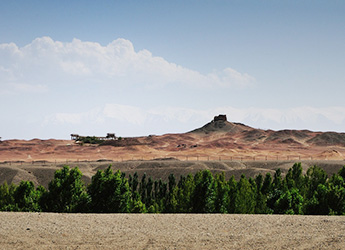
After thousands of years of desert erosion, the once-powerful Yangguan Pass has largely disappeared.
Today, visitors can find:
* A remaining watchtower standing on a reddish sandstone hill
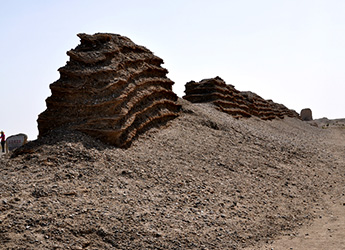
* Ancient wall foundations scattered among sand dunes
* Historical ruins showing traces of past civilization
From the surviving tower, visitors can enjoy a spectacular panoramic view of the surrounding desert landscape, imagining the ancient travelers and armies who once crossed this frontier.
Gudongtan: The Beach of Curios
To the south of Yangguan’s remaining tower lies an area known as Gudongtan, meaning the “Beach of Curios.”
The desert here is scattered with broken tiles and archaeological remains, providing evidence of the ancient settlements that once existed in this region.
According to local legends, a princess’s wedding treasures from the Tang Dynasty were buried here after a sudden sandstorm swept through the area.
Although the story remains part of local folklore, Gudongtan reflects the rich historical mysteries hidden beneath the desert landscape.
Yangguan Pass Museum: Discovering Ancient Silk Road Culture
Although visitors may feel a sense of mystery when seeing the ruined remains of Yangguan, the nearby Yangguan Pass Museum helps recreate the glory of this ancient frontier.
The museum features:
* Han Dynasty-style architecture
* Silk Road exhibitions
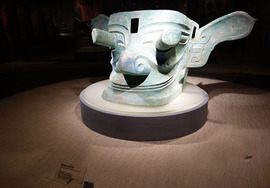
* Historical artifacts
* Stone inscriptions related to Yangguan
Through these displays, visitors can better understand the importance of Yangguan Pass in Chinese history and the development of international cultural exchange.
Yangguan Pass and the Great Wall of China
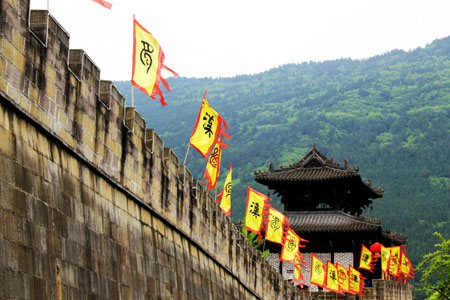
Yangguan Pass was an important part of the ancient western defense system of China and was connected with the Han Dynasty Great Wall.
Unlike the famous stone walls seen near Beijing, the Great Wall in the western regions was mainly constructed using rammed earth due to the desert environment.
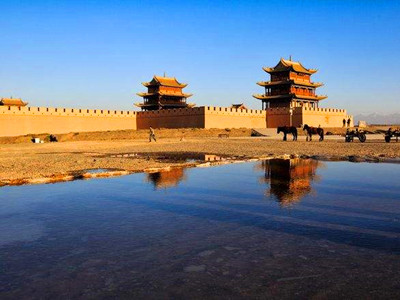
Together with Yumen Pass, Yangguan represented the western frontier of ancient China and stood as a symbol of the country’s connection with the wider world.
Travel Guide to Yangguan Pass
Location
Yangguan Pass is located in Nanhu Town, approximately 70 kilometers southwest of Dunhuang City, Gansu Province.
How to Get There
The most common ways to visit Yangguan Pass include:
* Private car or taxi from Dunhuang
* Joining a Silk Road sightseeing tour
* Combining the trip with nearby attractions:
* Yumen Pass
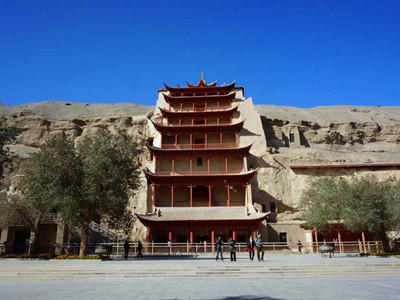
* Mogao Caves
* Mingsha Mountain and Crescent Spring
The journey from Dunhuang usually takes about 1–1.5 hours by car.
Best Time to Visit Yangguan Pass
The best seasons to visit Yangguan Pass are:
Spring (April–May)
* Mild temperatures
* Comfortable desert conditions
* Clear views
Autumn (September–October)
* Pleasant weather
* Beautiful desert colors
* Ideal for photography
Visitors should avoid the hottest summer afternoons, as temperatures in the Gobi Desert can be extremely high.
Why Visit Yangguan Pass?
A visit to Yangguan Pass Dunhuang offers travelers a chance to experience:
* The history of the ancient Silk Road
* Han Dynasty frontier culture
* Desert landscapes of western China
* Ancient Great Wall heritage
* The meeting point of Chinese and international civilizations
Standing on the ruins of Yangguan Pass, visitors can imagine the countless merchants, explorers, monks, and soldiers who once traveled through this legendary gateway between China and the world.