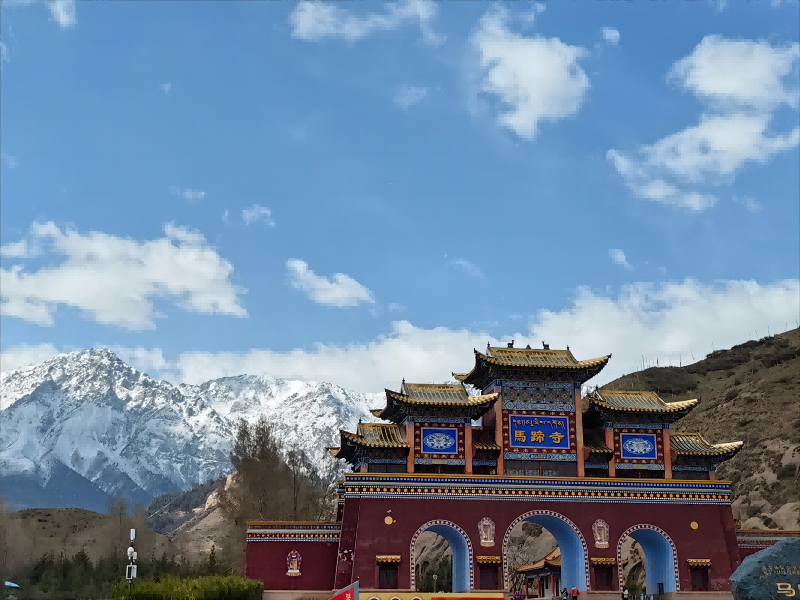
 Mati Temple (Horseshoe Temple Grottoes) is a historic Buddhist temple complex built into cliffs, with a history of more than 1,600 years. Located in Mati Tibetan Township, Sunan Yugur Autonomous County, Zhangye City, Gansu Province, approximately 65 kilometers north of Zhangye, the temple is one of the most remarkable cultural attractions along the ancient Hexi Corridor.
Surrounded by the magnificent scenery of the Qilian Mountains, Mati Temple is a unique destination combining:
* Ancient grotto art
* Tibetan Buddhist culture
* Mountain landscapes
* Ethnic customs of the Yugur and Tibetan communities
With its spectacular cliffside architecture and valuable Buddhist relics, Mati Temple is regarded as one of the most important Buddhist heritage sites in Gansu Province.
History and Legend of Mati Temple
According to legend, Mati Temple received its name from a mysterious horseshoe-shaped mark left by a heavenly horse that stopped here to drink water. The legendary horseshoe imprint is preserved inside the Horseshoe Hall of Puguang Temple and has become one of the most treasured cultural symbols of the temple.
The Horseshoe Temple Grottoes were first created during the Eastern Jin Dynasty, making them more than 1,600 years old. According to historical records, the grottoes were originally developed by the Buddhist scholar Guo Yu and his disciples as a place for meditation and teaching.
Over later generations, more Buddhist statues and architectural structures were added, gradually transforming the site into a large Buddhist temple complex. During its most prosperous period, Mati Temple was home to more than 300 monks.
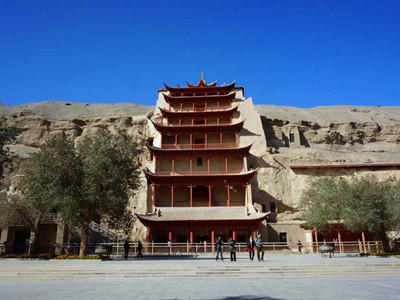
Together with the famous Mogao Grottoes in Dunhuang and Yulin Grottoes in Anxi, Mati Temple is considered one of the three major Buddhist grotto art centers in the Hexi Corridor.
Architecture and Grottoes of Mati Temple
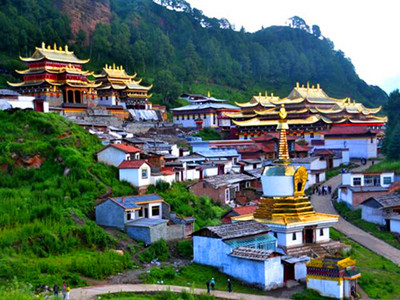
Mati Temple is a large-scale grotto complex consisting of seven major sections:
* Shengguo Temple
* Puguang Temple
* Thousand Buddha Cave
* Golden Pagoda Temple
* Upper Guanyin Cave
* Middle Guanyin Cave
* Lower Guanyin Cave
The entire grotto complex stretches nearly 30 kilometers and contains more than 70 caves and niches. It is listed as a National Cultural Relics Protection Unit of China.
The grottoes combine Buddhist sculpture, cliff architecture, and natural mountain scenery, demonstrating the remarkable craftsmanship of ancient Chinese artisans.
Thirty-Three Heaven Grottoes: A Unique Cliffside Wonder
One of the most impressive attractions of Mati Temple is the Thirty-Three Heaven Grottoes in Puguang Temple.
The grotto complex is arranged across five levels, containing 21 caves in a pagoda-like structure. The design combines:
* Inner temple spaces
* Outer corridors
* Cliffside Buddhist chambers
The entire structure contains up to 49 connected grotto spaces, creating an extraordinary architectural masterpiece built directly into the mountain cliffs.
Another unique feature of Mati Temple is its more than 500 cliff pagoda niches, which form one of the largest collections of cliff-style Buddhist niches in China.
The flying apsaras (Feitian) sculptures inside Jinta Temple are particularly famous for their simple and elegant artistic style and are considered unique examples of Buddhist art in China.
Historical Treasures of Mati Temple
Many precious cultural relics are preserved at Mati Temple, reflecting the artistic achievements of different historical periods.
Important treasures include:
* A Jin Dynasty Standing Buddha statue
* A Northern Wei Dynasty Manjusri Bodhisattva sword
* A dragon robe once associated with Emperor Kangxi of the Qing Dynasty
* A saddle associated with Emperor Qianlong of the Qing Dynasty
The temple’s main halls, including the Great Hall, Standing Buddha Hall, Guanyin Hall, and Medicine Buddha Hall, mostly preserve architectural features from the Ming Dynasty.
Although these buildings have experienced centuries of wind and weather, they continue to stand on the cliffs, creating a powerful visual and spiritual experience for visitors.
Tibetan Buddhist Culture at Mati Temple
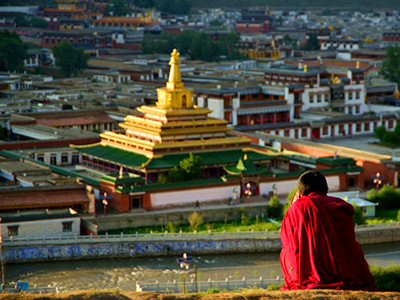
Mati Temple is one of the most important Buddhist pilgrimage sites in the Hexi Corridor.
After the Yuan Dynasty, Tibetan Buddhism became increasingly influential in the region, while Chinese Buddhism continued to coexist, creating a unique blend of Buddhist traditions.
In Tibetan language, Mati Temple is called “Zhuoma Rangxiang,” meaning “the place where the Bodhisattva naturally appears.”
The temple has attracted many important Buddhist figures throughout history. The 3rd Dalai Lama Sonam Gyatso is also recorded as having visited the temple for pilgrimage.
For many Tibetan Buddhist believers from Qinghai and surrounding regions, visiting Mati Temple is considered a highly meaningful spiritual journey.
Natural Scenery and Local Tibetan Experiences
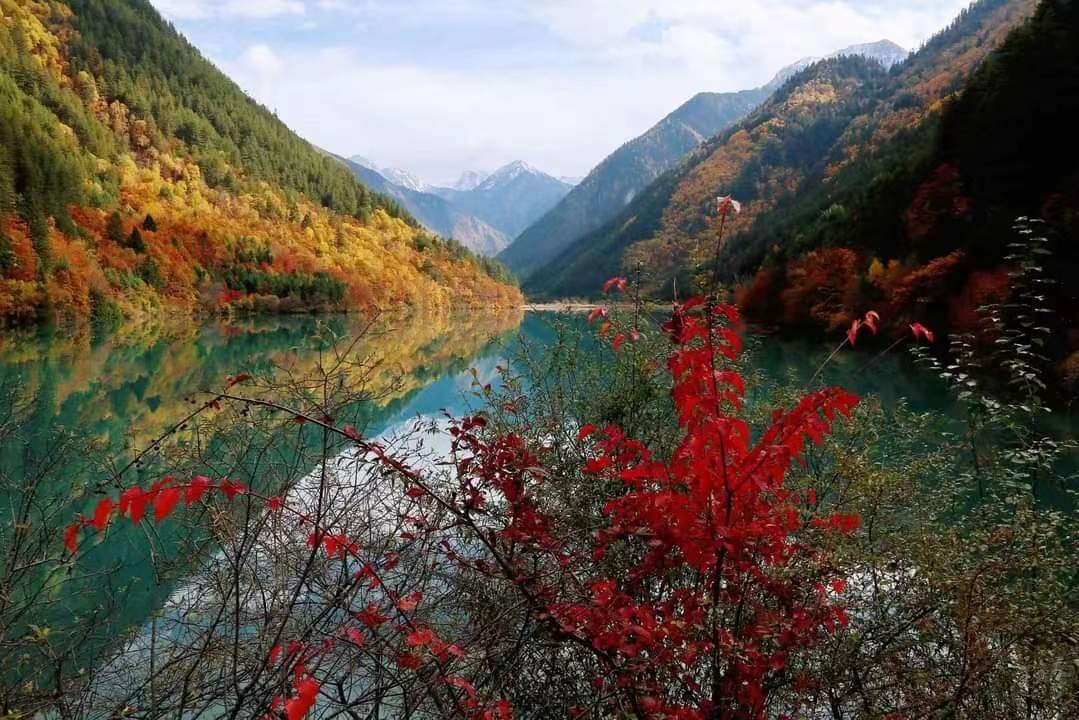
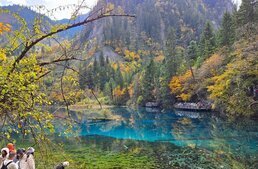
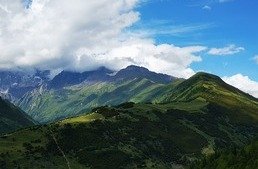
Beyond its cultural importance, Mati Temple is surrounded by breathtaking natural scenery. The area is famous for its four natural wonders:
* Green mountains
* Clear rivers
* Unique peaks
* Mysterious caves
The surrounding Qilian Mountain landscape provides visitors with opportunities for hiking, photography, and nature exploration.
Travelers can also experience local ethnic culture by staying in traditional Tibetan tents, tasting barley wine, enjoying hand-grabbed lamb, and experiencing the lifestyle of grassland communities.
Visit Mati Temple: A Hidden Gem of Zhangye Gansu
With its ancient cliff grottoes, Tibetan Buddhist heritage, stunning mountain scenery, and unique ethnic culture, Mati Temple (Horseshoe Temple) is one of the must-visit attractions in Zhangye and Gansu Province.
For travelers exploring the Hexi Corridor Silk Road route, Mati Temple offers an unforgettable journey into China’s Buddhist history, ancient art, and multicultural heritage.