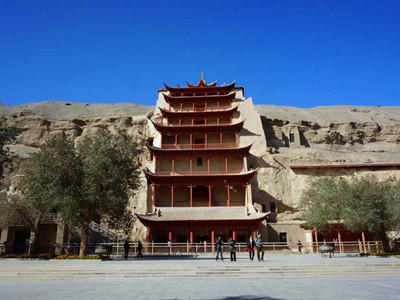
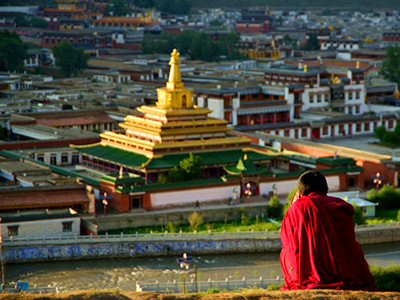
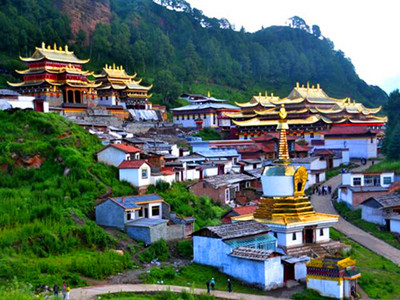
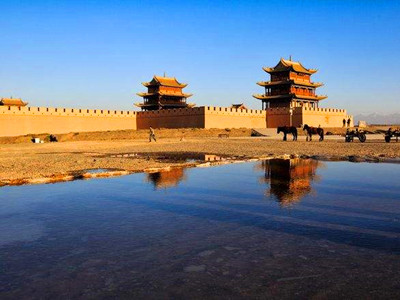
 Located in Zhangye City, Gansu Province, the Zhangye Giant Buddha Temple (Dafo Temple Zhangye) is one of the most important Buddhist cultural sites along the ancient Silk Road. Built in 1098 during the Western Xia Dynasty (1038–1227), the temple has a history of more than 900 years and remains one of the best-preserved examples of Western Xia Buddhist architecture in China.
Famous for its enormous indoor reclining Buddha statue, ancient Buddhist scriptures, magnificent architecture, and valuable cultural relics, Zhangye Giant Buddha Temple is not only a religious site but also a museum showcasing Chinese Buddhist art, history, and craftsmanship.
In 1996, the temple was listed as one of China’s National Key Cultural Relics Protection Units, recognizing its outstanding historical and cultural significance.
History of Zhangye Giant Buddha Temple
Zhangye was historically known as Ganzhou and was an important city on the ancient Silk Road. Due to its strategic location in the Hexi Corridor, it became a major center of trade, culture, and religion between China and Central Asia.
During the Western Xia Dynasty, the rulers actively promoted Buddhism and built many temples to strengthen cultural development in the region. The construction of the Giant Buddha Temple took place during this prosperous period, making it one of the most significant Buddhist temples of Western Xia.
Over the centuries, the temple maintained close connections with royal families of several dynasties, including:
* Western Xia Dynasty
* Yuan Dynasty
* Ming Dynasty
* Qing Dynasty
Because of its royal connections, the temple was built with a distinctive palace-style architectural design.
Zhangye Giant Buddha Temple and Silk Road Culture
As an important stop along the ancient Silk Road, Zhangye was a meeting point where different civilizations exchanged goods, ideas, and religious beliefs.
The Giant Buddha Temple reflects this cultural diversity through:
* Buddhist sculptures
 * Ancient murals
* Historical inscriptions
* Buddhist scriptures
* Traditional Chinese architectural styles
The temple is regarded as a valuable record of the development of Buddhism and cultural exchanges in northwest China.
Today, it is considered one of the most important cultural attractions in Zhangye and a landmark of this historic city.
Legends and Historical Stories of Zhangye Giant Buddha Temple
Throughout its long history, Zhangye Giant Buddha Temple has been associated with many famous historical figures and legends.
According to historical records and local traditions:
* The Empress Dowager of the Western Xia Dynasty frequently visited the temple for worship and residence.
* The temple is traditionally linked with the birthplace of Kublai Khan, the founder of the Yuan Dynasty.
* Kublai Khan’s mother is said to have lived here for an extended period.
* Emperor Zhao Xian of the Southern Song Dynasty reportedly became a monk at the temple after the fall of the Song court.
* The famous Italian traveler Marco Polo visited Zhangye during his journey through China and was impressed by the city’s prosperity and magnificent architecture.
During the 16th century, the temple was so large that it could reportedly accommodate 4,000 to 5,000 worshippers at the same time.
Main Attractions of Zhangye Giant Buddha Temple
The temple covers an area of approximately 23,000 square meters. The main surviving buildings include:
* Giant Buddha Hall
* Buddhist Classics Hall
* Clay Pagoda
Each structure reflects the artistic achievements and religious traditions of ancient China.
The Giant Reclining Buddha: The Highlight of Dafo Temple
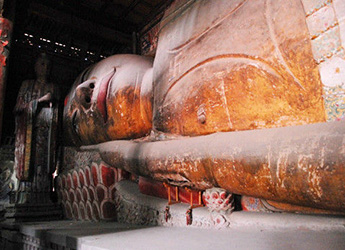
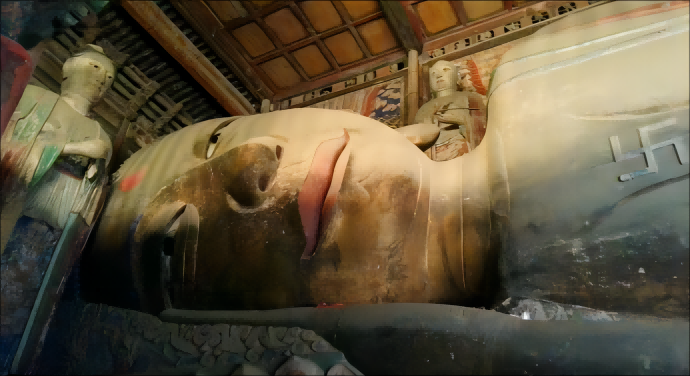
The most famous attraction of Zhangye Giant Buddha Temple is the indoor reclining Buddha statue of Sakyamuni Buddha.
It is the largest indoor clay reclining Buddha statue in China, measuring:
* 34.5 meters long
* 7.5 meters wide at the shoulders
The Buddha lies peacefully on a lotus platform with:
* Half-closed eyes
* A calm facial expression
* A natural posture
 * A swastika symbol on the chest, representing auspiciousness in Buddhist tradition
The sculpture is made through traditional wooden clay carving techniques and covered with golden paint. Its elegant proportions, smooth lines, and lifelike expression demonstrate the exceptional skill of ancient Chinese craftsmen.
Behind the Buddha statue are sculptures of ten disciples, while eighteen arhats stand on both sides of the hall.
The Giant Buddha Hall also contains valuable murals depicting scenes from:
* Journey to the West
* Classic Chinese mythology
Discoveries Inside the Reclining Buddha
In 1966, during restoration work, a hidden chamber was discovered inside the reclining Buddha statue.
The chamber contained valuable historical objects, including:
* Stone tablets
* Bronze Buddha statues
* Bronze mirrors
* Copper vessels
* Buddhist scriptures
One of the inscriptions recorded an earthquake that occurred during the Chenghua Period of the Ming Dynasty, providing important historical information.
Buddhist Classics Hall
The Buddhist Classics Hall is another important building within the temple complex.
The hall preserves more than 6,000 volumes of Buddhist scriptures donated by Emperor Yingzong of the Ming Dynasty.
Among them are rare scriptures written with:
* Gold powder
* Silver powder
These precious manuscripts provide important evidence for studying Buddhist culture, printing technology, and religious history in ancient China.
Clay Pagoda (Amitabha Thousand Buddhas Pagoda)
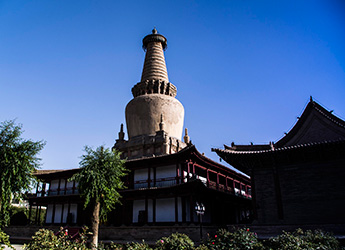
The Clay Pagoda, also known as the Amitabha Thousand Buddhas Pagoda, is another highlight of the temple.
Standing at approximately 33.37 meters high, it is one of the famous Five Element Pagodas in Zhangye.
The pagoda features:
* A unique multi-level structure
* Small pagodas at the corners of the first and second floors
* Traditional Buddhist architectural elements
Its unusual design makes it a rare example of ancient Chinese pagoda architecture.
Travel Guide to Zhangye Giant Buddha Temple
Location
Zhangye Giant Buddha Temple is located in the center of Zhangye City, Gansu Province, China.
Best Time to Visit
The best seasons to visit Zhangye are:
April to October
* Comfortable weather
* Ideal for sightseeing
* Convenient for exploring nearby attractions
Autumn (September–October)
* Pleasant temperatures
* Clear skies
* Excellent conditions for photography
Nearby Attractions in Zhangye
Visitors can combine a trip to Zhangye Giant Buddha Temple with other famous attractions:
* Zhangye Danxia Rainbow Mountains
* Pingshanhu Grand Canyon
* Mati Temple Grottoes
* Zhangye National Wetland Park
These attractions together showcase the natural landscapes and cultural heritage of the Hexi Corridor.
Why Visit Zhangye Giant Buddha Temple?
The Zhangye Giant Buddha Temple offers travelers a unique opportunity to explore:
* Over 900 years of Buddhist history
* Western Xia cultural heritage
* Ancient Silk Road civilization
* Traditional Chinese architecture
* Rare Buddhist artworks
With its enormous reclining Buddha, precious scriptures, and royal historical connections, Dafo Temple Zhangye is one of the most important cultural landmarks in Gansu and a must-see destination for travelers exploring the ancient Silk Road.