 Located in the northwest of Ganzi Tibetan Autonomous Prefecture, Sichuan Province, Dege County (德格县) borders Ganzi County to the east, Baiyu County to the south, Jiangda County of Tibet across the Jinsha River to the west, and Shiqu County to the north. Situated in the upper reaches of the Jinsha River and Yalong River, Dege is a traditional pastoral county and one of the most culturally significant destinations along the Sichuan-Tibet Highway 317.
As the final county on the Sichuan section of National Highway 317 before entering Tibet, Dege is renowned as the “Hometown of Tibetan Culture” and the birthplace of Kham Tibetan civilization. Its most famous landmark, the Dege Sutra-Printing House, is a national key cultural relic protection unit and is regarded as the “Encyclopedia of Tibetan Culture,” the “Bright Cultural Pearl of Tibetan Areas,” and the “Treasure House under the Snow Mountain.”
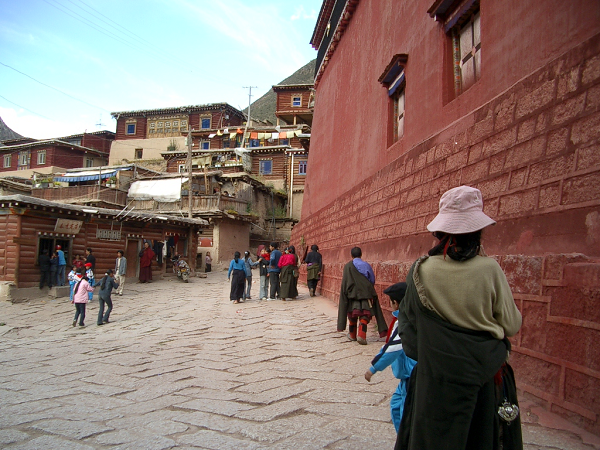
Dege has long been an important center for the preservation and development of Tibetan Buddhism. Gengqing Monastery and the Dege Sutra-Printing House serve as major cultural and religious centers, attracting countless pilgrims every year. Visitors can witness devotees walking clockwise around monasteries, turning prayer wheels, and chanting scriptures as part of their spiritual practice.
Dege is also recognized as the birthplace of Kham standard Tibetan language, closely connected with the profound cultural heritage preserved by the Dege Sutra-Printing House. Behind the printing house stands Gengqing Monastery, one of the most influential temples of Tibetan Buddhism in the Kham region. Every morning, grand chanting ceremonies are held here, creating a solemn and spiritual atmosphere.
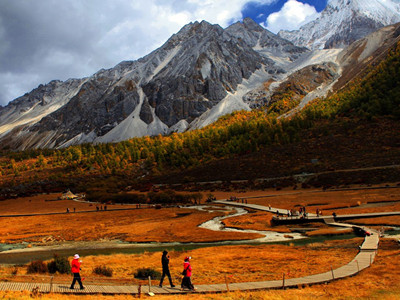
With its pure blue skies, magnificent snow mountains, crystal-clear lakes, and deep Buddhist traditions, Dege offers travelers an authentic experience of Tibetan culture. Here, visitors can explore the legendary homeland of King Gesar, admire the glaciers and lakes of the Tibetan Plateau, and experience the unique charm of Kham culture.
Dege County is home to ancestral monasteries of the five major schools of Tibetan Buddhism and five renowned Buddhist academies in the Kham region. Among the 18 counties of Ganzi Prefecture, Dege has the largest number of monasteries, with 57 temples preserving centuries-old religious traditions.
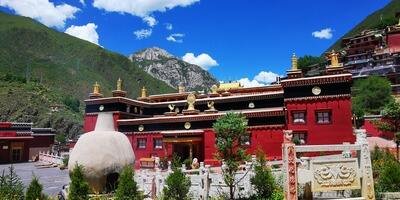 Top Attractions in Dege County
Five Ancestral Monasteries of Tibetan Buddhism
Dege is famous for preserving the ancestral monasteries of the five major schools of Tibetan Buddhism.
Babang Monastery, the ancestral monastery of the Kagyu (White Sect), was founded in 1179 and has more than 200 affiliated temples throughout Tibetan areas.
Gengqing Monastery, the ancestral monastery of the Sakya (Flower Sect), was established in 1448 and governs seven branch temples.
Zhuqing Monastery, the ancestral monastery of the Nyingma (Red Sect), was founded in 1685. With more than 200 affiliated temples, it is also considered the birthplace of Tibetan opera related to the epic of King Gesar.
Gengsha Monastery, belonging to the Gelug (Yellow Sect), was founded in 1654 and manages more than ten temples.
Dingqing Monastery, the ancestral monastery of the Bon and Black Sect traditions in the Kham region, was established in 618.
Five Buddhist Academies of Dege
The five major schools of Tibetan Buddhism have established important Buddhist academies in Dege County. These institutions follow the traditional “Five Sciences” system, with studies covering Buddhism, astronomy, poetry, literature, medicine, grammar, history, calendars, painting, and other fields.
Xierisen Buddhist Academy at Zhuqing Monastery
With a history of around 250 years, this academy belongs to the Nyingma tradition. It has more than 600 scholars and eminent monks, and its academic influence extends throughout Tibetan regions as well as Nepal, Bhutan, and India.
Kangxie Buddhist Academy at Zongsa Monastery
Established more than 130 years ago, it is the highest educational institution of the Sakya tradition.
Buddhist Academy of Babang Monastery
With a history of over 120 years, it is the only systematic advanced Buddhist academy of the Kagyu tradition.
Buddhist Academy of Xieqing Monastery
Founded more than 120 years ago, it belongs to the Nyingma tradition.
Jizha Buddhist Academy at Dingqing Monastery
With a history of over 250 years, it represents the highest learning center of the Black Sect tradition.
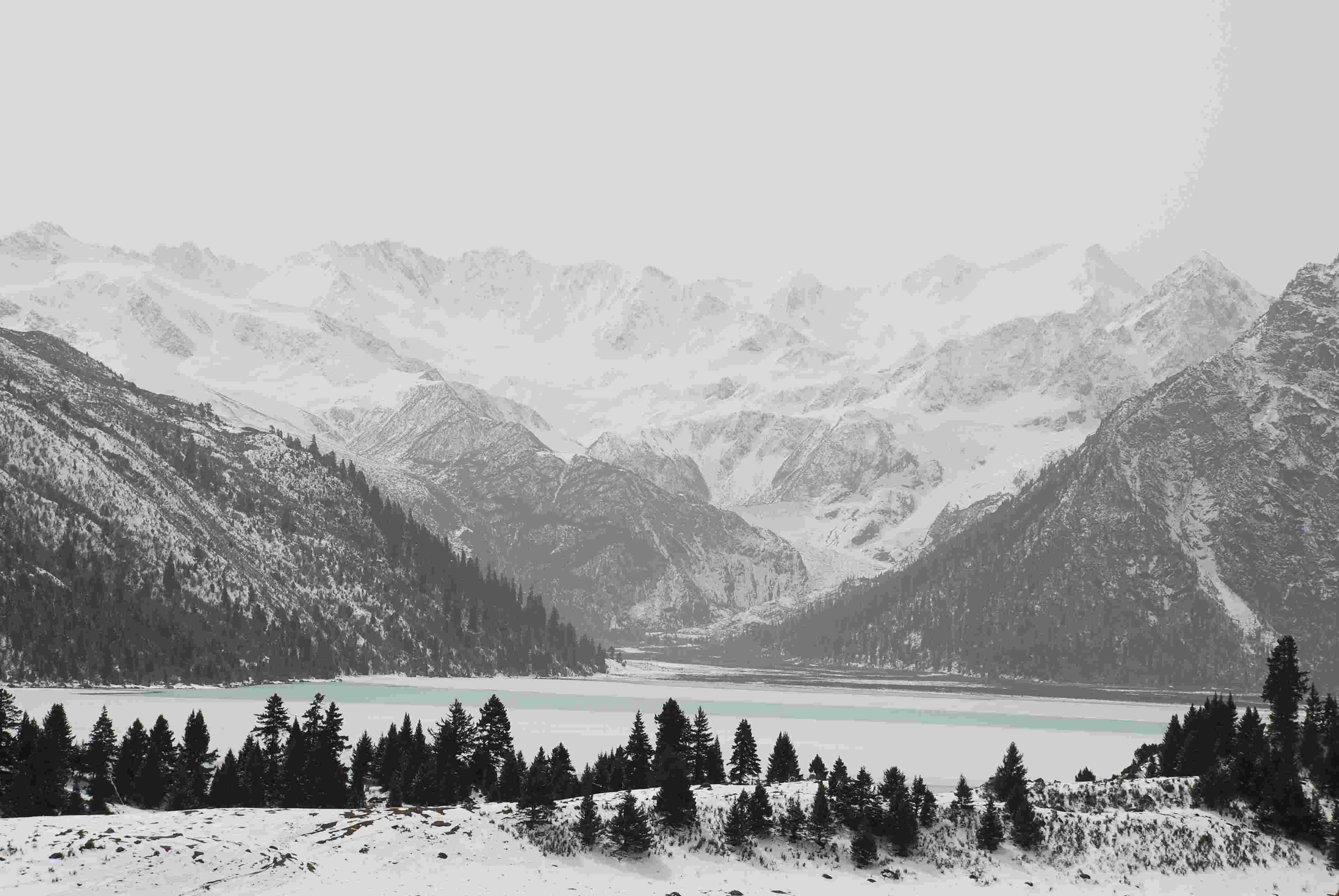 Dege Sutra-Printing House
Located inside Gengqing Monastery, the Dege Sutra-Printing House is one of the most important cultural treasures of Tibetan Buddhism. It is widely known as the “Encyclopedia of Tibetan Culture” and the “Treasure House under the Snow Mountain.”
Founded in 1729 during the Qing Dynasty by the 12th Dege Tusi, Denbazeren, the printing house covers an area of about 5,000 square meters, with a building area of nearly 3,000 square meters. It was listed as a National Key Cultural Relic Protection Unit by the State Council in 1996.
Over centuries, the Dege Sutra-Printing House has preserved more than 320,000 Buddhist scripture woodblocks, making it the largest Tibetan scripture printing center in China and one of the few places in the world where traditional woodblock printing techniques are still practiced.
Today, visitors can see ancient printing blocks, traditional craftsmanship, and the devotion of generations of craftsmen who preserved Tibetan Buddhist literature. Thousands of pilgrims travel here every year to pray, turn prayer wheels, and walk around the printing house as a religious practice.
The printing house has preserved more than 270,000 carved wooden printing plates, making it a unique cultural heritage site that reflects the wisdom, faith, and artistic achievements of Tibetan civilization.
Gengqing Monastery
Gengqing Monastery is one of the most important monasteries in the Kham region of Sichuan and was once the family temple of the Dege Tusi rulers.
The monastery houses more than 300 gold and alloy Buddha statues, over 200 Thangka paintings, scriptures, and numerous religious artifacts. With its rich collections and important historical role, Gengqing Monastery is a key place for understanding Tibetan Buddhism and Kham culture.
Queer Mountain (Chola Mountain)
Queer Mountain, also known as Chola Mountain in Tibetan, is located in the northern Hengduan Mountains on the western Sichuan Plateau.
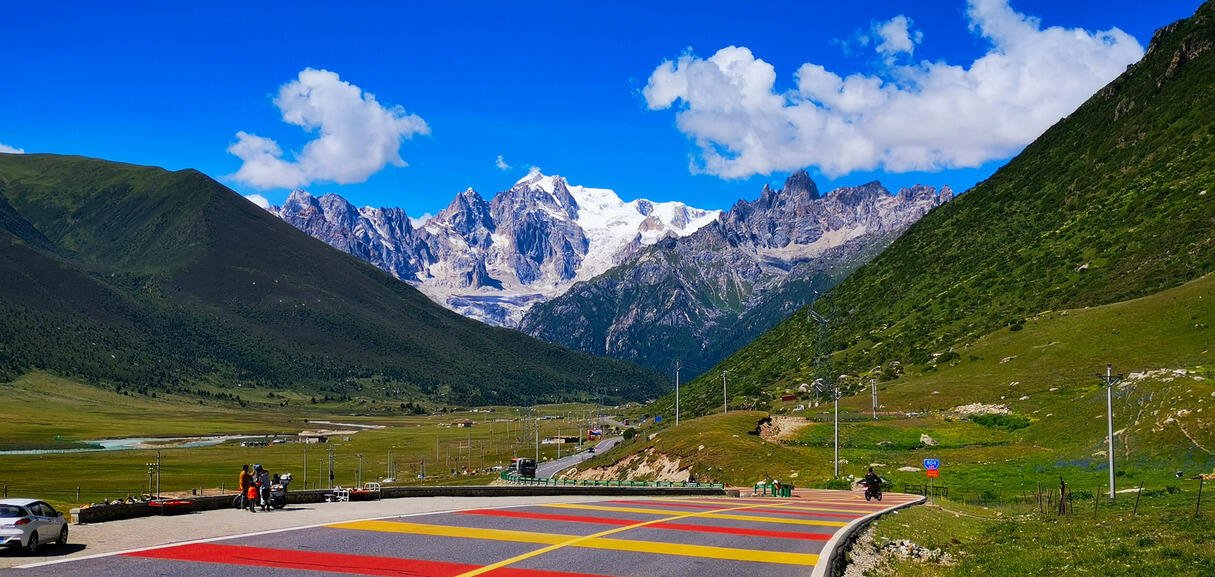
The main peak reaches an altitude of 6,168 meters and is the highest mountain in Dege County. The region contains dozens of snow peaks above 5,000 meters and has historically served as an important transportation route connecting Sichuan and Tibet.
The spectacular glaciers, alpine scenery, and snow-covered peaks make Queer Mountain one of the most impressive natural landscapes along the Sichuan-Tibet Highway.
Yulong Latso Lake
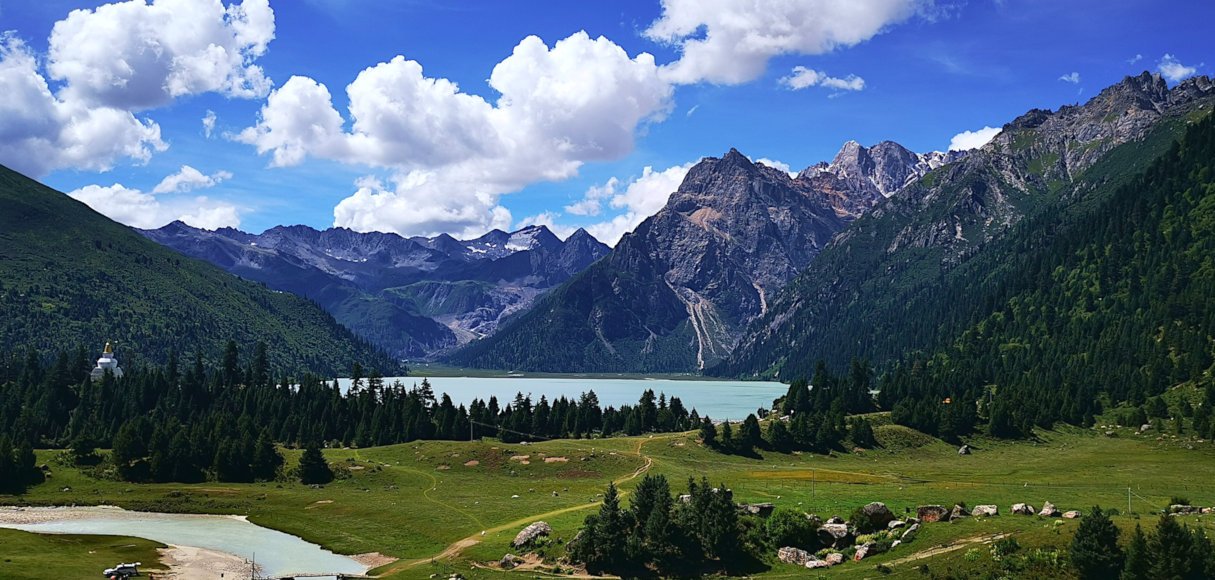
Yulong Latso Lake, meaning “the lake where my heart is devoted” in Tibetan, lies at the foot of Queer Mountain in Dege County.
According to Tibetan legend, Zhumu, the beloved princess of King Gesar from the famous Tibetan epic, once visited this lake and was deeply moved by its breathtaking beauty. Later generations named the lake Yulong Lacuo in memory of her.
Surrounded by glacier-covered peaks, green grasslands, and dense conifer forests, the lake offers a stunning landscape of blue skies, white clouds, snow mountains, glaciers, and crystal-clear water. Rare birds and wildlife can often be found around the lake, while wild ducks gather on its surface.
In summer and autumn, colorful wildflowers bloom across the mountains, creating a peaceful scene often described as a paradise on earth.
Babang (Pelpung) Monastery
Located about 30 kilometers north of Dege County in Babang Village, Babang Monastery sits on a hillside at an altitude of around 3,800 meters.
As the main monastery of the Kagyu tradition in the Kham region, Babang Monastery is considered one of the two most important Kagyu spiritual centers together with Chubu Monastery in Tibet.
The monastery features magnificent architecture built along the mountainside. Its golden roofs, colorful murals, exquisite sculptures, and peaceful surroundings have earned it the nickname “Little Potala Palace.”
It is recognized as one of the finest examples of Tibetan monastery architecture in the Kham region.
Transportation Tips to Dege County
* National Highway 317 (the northern Sichuan-Tibet route) passes through Dege County, making it an important stop along the Sichuan-Tibet journey.
* Shuttle buses are available from Kangding to Dege.
* From October to May, snowfall may affect road conditions, especially around Queer Mountain.
* During summer, landslides and mudslides may occasionally occur along the Sichuan-Tibet Highway.
* If traveling by bus from Kangding, the journey usually takes until around 3:00 pm the following day after departure.
* Travelers starting from Chengdu need to first reach Kangding and then transfer to Dege.
Weather Information of Dege County:
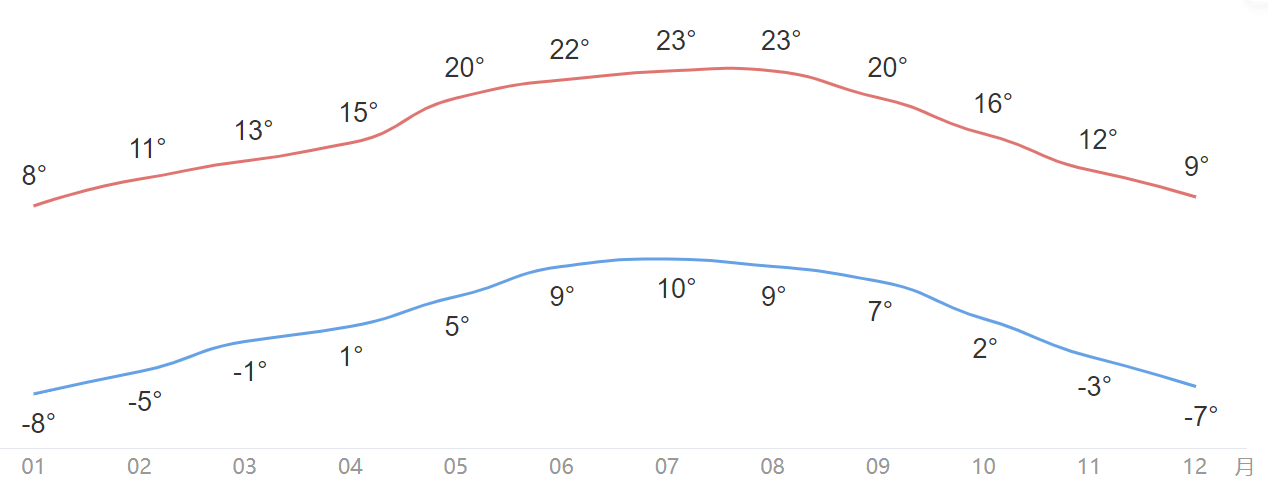
Note: From January to December, red line is the highest Centigrade in average, blue line is the lowest climate in average.
Recommended Dege Tour Packages:
1. 10 Days Danba, Dege, Daocheng Yading Tours in East Tibet
2. The Most Beautiful Sichuan Plateau Tours