



Monlam prayer festival
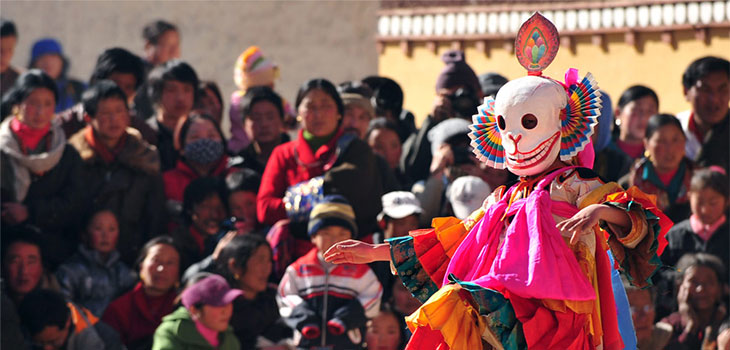
Monlam prayer festival
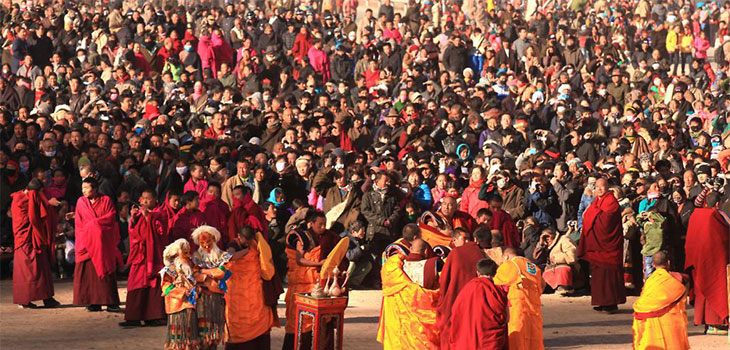
Monlam prayer festival
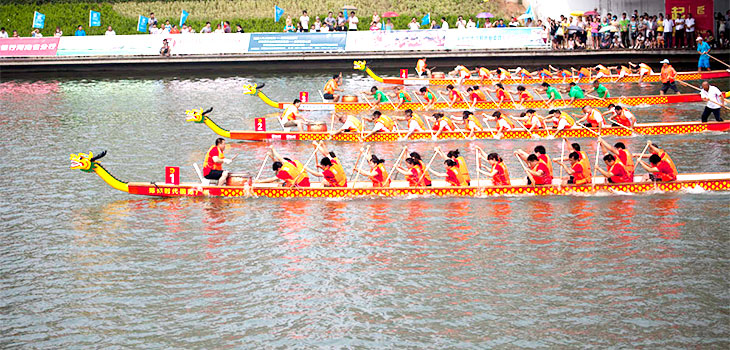
Dragon Boat Racing
Chinese Festival Tours – Experience Living Cultural Traditions of China
China Exploration believes festival tours help people study the nationality culture and are good way to keep them,too.We have developed festival tours based on this idea.In our tour you will enjoy pretty nature.
China is home to 56 officially recognized ethnic groups, each with its own unique history, traditions, customs, and festivals developed over centuries. These celebrations reflect the diverse cultural heritage, beliefs, lifestyles, and values of different communities throughout the country.
Some traditional festivals, such as the Spring Festival (Chinese New Year), Dragon Boat Festival, and Mid-Autumn Festival, have become widely celebrated throughout China and are enjoyed by people of all ethnic backgrounds. Meanwhile, many ethnic minority communities continue to preserve their own distinctive festivals, rituals, music, dances, costumes, and ceremonies, offering a fascinating window into China's rich cultural diversity.
At China Exploration, we believe that festivals provide one of the best ways to understand a culture. Through participating in local celebrations, travelers can experience authentic traditions, meet local people, discover ancient customs, and gain a deeper appreciation of China's diverse ethnic heritage.
Based on this philosophy, we have designed a variety of Chinese Festival Tours that combine cultural experiences with beautiful landscapes and meaningful interactions with local communities. Our guests have enjoyed unforgettable journeys filled with traditional celebrations, unique customs, delicious local cuisine, and warm hospitality.
During these tours, you will not only visit spectacular destinations but also experience the daily lives, cultural traditions, and timeless customs of local Chinese communities. Join China Exploration and celebrate China's colorful festivals while discovering the extraordinary diversity of its people and cultures..
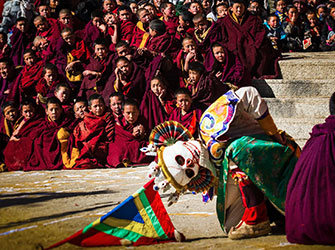
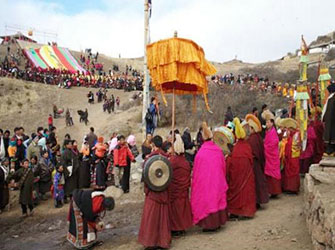
CE-CT-01: Qinghai & Gansu New Year Tibetan Monlam Festival
Monlam, also known as the Great Prayer Festival, is one of the most important and spectacular religious celebrations in Tibetan Buddhism. Traditionally held from the 4th to the 11th day of the first month of the Tibetan calendar, the festival was established in 1409 by , the founder of the Gelug tradition of Tibetan Buddhism.
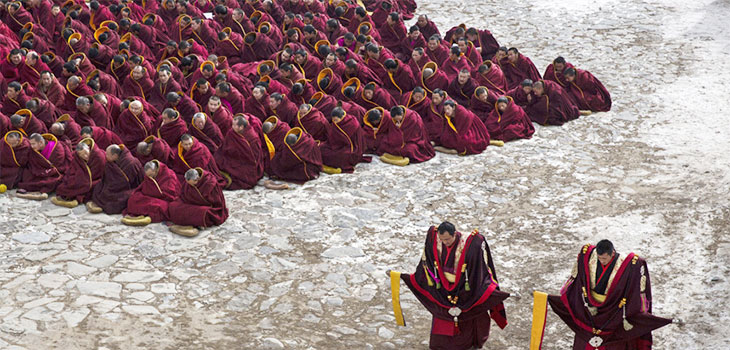
During Monlam, thousands of monks gather at major monasteries throughout Tibetan regions to chant prayers, conduct religious ceremonies, debate Buddhist teachings, and participate in sacred rituals. The festival represents a time of devotion, reflection, and spiritual renewal, attracting pilgrims and visitors from across the Tibetan cultural area.
The purpose of the Great Prayer Festival is to pray for the long life of spiritual teachers, the preservation and flourishing of Buddhist teachings, the well-being of all sentient beings, and peace throughout the world. Through collective prayers and sincere devotion, participants seek to create positive conditions for harmony, compassion, and spiritual growth.
Traditionally, Monlam is also a joyful occasion for Tibetan communities. From the Tibetan New Year celebrations until the conclusion of the festival, pilgrims travel from distant regions to attend prayers, receive teachings, make offerings, and share in the festive atmosphere. Many monasteries organize special ceremonies, including the display of magnificent thangka religious paintings, large-scale prayer gatherings, and traditional Buddhist rituals.
China Exploration's Monlam Festival Tour takes you deep into the heart of Tibetan Buddhist culture, visiting important monasteries and spiritual centers in Qinghai and Gansu provinces. Beyond witnessing the grandeur of the festival, you will explore ancient Tibetan communities, experience the unique plateau landscapes, and gain a deeper understanding of Tibetan Buddhist traditions and local lifestyles.
This journey offers a rare opportunity to experience one of the most meaningful spiritual festivals in China while discovering the profound connection between religion, culture, and nature on the Tibetan Plateau.
Schedule:
Day 1 - Feb 19th Xining Arrival (D)
Upon arrival in Xining, transfer to the hotel and have a nice rest.
Day 2 - Feb 20th Xining-Kumbum-Tongren (B,L,D)
Morning drive to Kumbum(26km express way 30 minutes) to pay a visit to Kumbum Monastery, which is one of six great Gelukpa sect monasteries, also the birth place of Tsongkhapa, the founder of the Gelukpa sect. Then head for Tongren (220 km in total, first 26km back to Xining), the hometown of Regong Art. Visit Upper Wutong Monastery in Yagotsang Village.( Program: Mask Dance and Tibetan Fashion Show)
Road Condition: From Xining to Kumbum is 26 km, express way, 30 minutes drive. From Kumbum to Tongren, 220 km in total, first 26 km back to Xining, then another 40 km express way, the rest is 2nd class provincial road, in total 4 hours drive.
Day 3 - Feb 21st Tongren (B,L,D)
Today visit Down Wutong Monastery in Magotsang Village.( Program: Sunning Buddha)
Day 4 - Feb 22nd Tongren (B,L,D)
Today visit Down Wutong Monastery in Magotsang Village.( Program: Parade Maitreya Buddha Statue around the Monastery)
Day 5 - Feb 23th Tongren (B,L,D)
Today visit Down Wutong Monastery in Magotsang village. (Program: Mask Dance and Tibetan Fashion Show) Then to Guomaren Village.(Program: Parade Maitreya Buddha Statue around the pagoda)
Day 6 - Feb 24th Tongren-Xiahe (B,L,D)
Morning drive to Guomaren Village.(Program: Religious Dance). Then head for Xiahe.
Road Condition: 180 km in total. Since you will pass mountain areas and the road is not good enough, so it will take around 4 hours to arrive at Xiahe. In the evening visit a local Tibetan family to enjoy local flavor.
Day 7 - Feb 25th Labrang Monastery (B,L,D)
Pay a visit to Labrang Monastery, one of the 6 biggest monasteries in Gelu Sect of Tibetan Buddhism. Standing by the Daxia River and facing the Dragon Mountain, Labrang Monastery is a propitious place in the hearts of the Tibetan, In the afternoon you are free to walk around in Xiahe Town.
Day 8 - Feb 26th Labrang Monastery (B,L,D)
Pay a visit to Labrang Monastery (Program: Sunning Buddha)
Day 9 - Feb 27th Labrang Monastery (B,L,D)
Pay a visit to Labrang Monastery (Program: Mask Dance and Tibetan Fashion Show)
Day10 - Feb 28th Xiahe (B,L,D)
Morning after breakfast pay a visit to a Tibetan family.( Program: Tibetan girl's Grow-up ceremony) After lunch attend Butter Lantern Festival in Labrang Monastery.( Program: Butter Sculptures Show)
Day 11 - Mar 1st Xiahe/Lanzhou (B,L,D)
Morning pay a visit to Labrang Monastery.(Program:Parade Maitreya Buddha Statue around the Monastery). Then drive to the provincial capital of Gansu Province - Lanzhou.
Road Condition: 380km in total. 1st class provincial road. Three and half hours drive.
Day 12 - Mar 2nd Lanzhou Departure (B)
Morning transfer to airport. Take a flight to next destination.
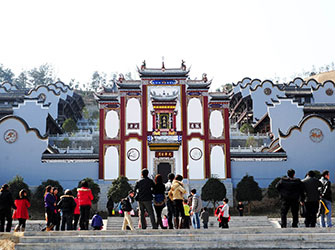
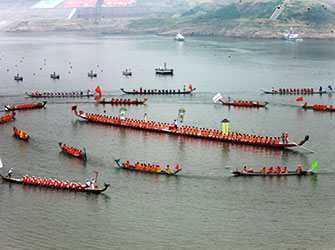
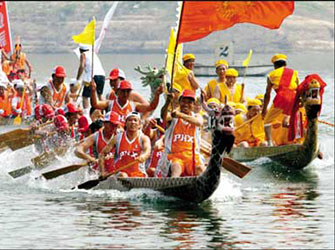
CE-CT-02:Dragon Boat Racing Festival
The Dragon Boat Festival, celebrated on the 5th day of the 5th month according to the Chinese lunar calendar, is one of China's most important traditional festivals, together with the Spring Festival (Chinese New Year) and the Mid-Autumn Festival. With a history of more than 2,000 years, it combines ancient customs, folk traditions, food culture, and community celebrations.
The festival is traditionally associated with the memory of a patriotic poet and statesman of the ancient . According to tradition, people hold ceremonies in his honor, eat zongzi (glutinous rice dumplings wrapped in bamboo leaves), and participate in various folk activities.
The most exciting highlight of the festival is the spectacular dragon boat racing. On rivers and lakes across southern China, teams from local villages gather to compete in beautifully decorated dragon boats. Each boat is usually operated by a team of rowers working together in perfect rhythm, encouraged by thousands of enthusiastic spectators cheering along the riverbanks.
When the starting signal is given, the teams paddle with all their strength toward the finish line, competing for honor and pride for their villages. In some regions, traditional games such as catching a floating duck add extra excitement and entertainment to the celebrations. Winning teams often become local heroes, bringing pride and joy to their communities.
Today, dragon boat racing has developed into a popular traditional sport throughout southern China, especially in areas along the Yangtze River basin, while also gaining international popularity around the world.
China Exploration's Dragon Boat Festival Tour offers travelers the opportunity to experience this vibrant celebration firsthand—watching thrilling races, tasting traditional zongzi, visiting historic cultural sites, and discovering the fascinating stories behind one of China's most beloved festivals.
In our trip, we will organize you to the original place of Dragon boat festival, also the home town of Qu yuan You can just enjoy this grand ceremony.
And we are planning to form our own boat team, therefore you can participate it yourself!
Schedule:
D1 June 14th Yichang / Zigui
Fly from Shanghai or Beijing to Yichang, and then take bus from Yichang to Zigui in about one hour's driving. Night in local hotel.
D2 June 15th Zigui
This morning you can practice the dragon boat in local base. In the afternoon do some city tours as visit the Phoenix Mountain, where the famous Qu yuan Temple is located.
D3 June 16th Zigui / Yichang
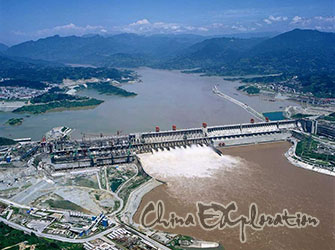
In the morning the exiting time will come. After a short time's ancient ritual of commemorating Mr Qu yuan, the patriotic poet 2000 years ago. And then the dragon boats Racing will start. You will see the boats all start as arrow leaving its bow in the thunder like gong and drum. After the breathtaking Dragon boat Race, we will drive back Yichang, visit the Three Gorges Dam, and then board the Yangtze cruise in the evening.
D4-6 June 17th 19th Yangtze Cruise
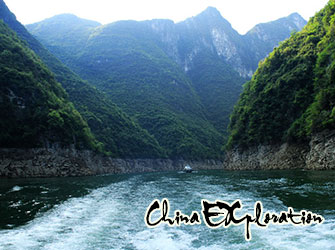
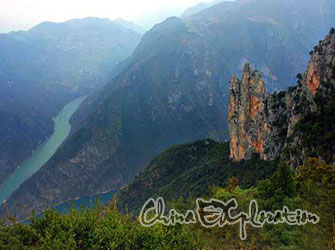
Enjoy the beautiful three Gorges in cruise.
D7 June 20th Chongqing
Arrive in Chongqing in the morning and end of tour. You can fly to other cities from Chongqing.