




Explore Chengdu Panda Base and Leshan Giant Buddha in one day. Enjoy a traditional Xiba tofu banquet and discover Sichuan’s famous wildlife, cuisine, and Buddhist heritage.......
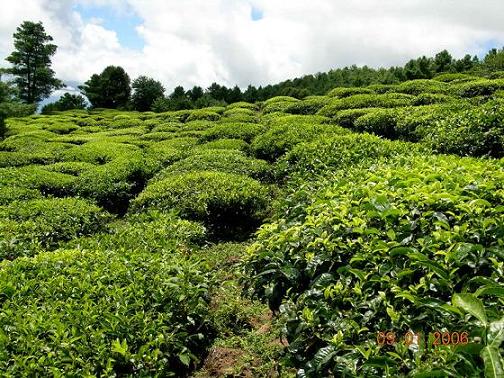
It is said that tea shrubs were first discovered in the tropical and sub-tropical climate zone in the southwestern part of China , where primeval forests prevailed and the warm and moist setting was favorable for the growth of tea shrubs. Wild tea trees of 2,700 years old and planted tea trees of 800 years old can still be found in the area.
Shen Nong Shi, the God of Agriculture, was believed to be the first to discover tea. In his “Book of Herbs”, it says that “Shen Nong shi personally tasted hundreds of species of herbs and he was hit by 72 poisons in a single day. But he used a kind of tree leaves to ease his case and it turned out to be tea tree."
Chinese tea was primarily used as a medicine before the 8th century B.C. During the spring and Autumn Period, Chinese people chewed tea leaves and enjoyed the taste of the juice itself.
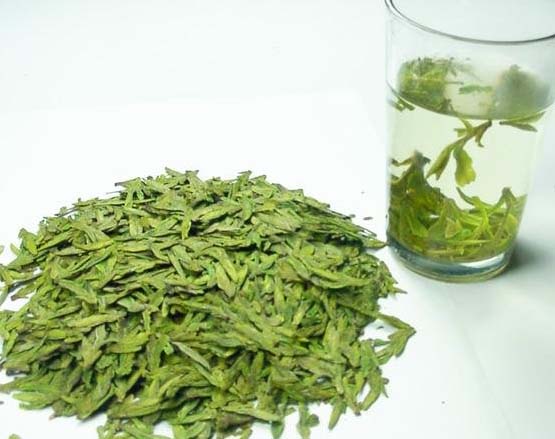
In the next stage, Chinese tea was cooked like a soup. Tea leaves were eaten along with the soup. Tea leaves were even mixed with food. Ancient Chinese books documented that tea was eaten and used with other spices to cook.
During the Qin and Han dynasties (221 BC - 8 AD), simple processing of Chinese tea emerged. Tea leaves were pressed into balls, dried and stored. When served, tea balls were crushed and mixed with green onion, ginger and then boiled in teapots. This is the point where Chinese tea turned from a medicine into a beverage. Also, it marked the beginning of Chinese tea being used to treat guests.
Chinese tea evolved from a palace treat to a common beverage during the Jin Dynasty.
Tea trading did not start until the Tang Dynasty (618 AD - 907 AD) when techniques in tea plantation and processing advanced at great speed, resulting in a lot of famous teas.
In the Tang Era, Chinese tea was processed and distributed in the form of tea cakes. People started to get serious about making tea. Specialized tea tools were used and tea books were published - including the most famous "Literature of Tea" by Lu Yue. The art of Chinese tea started to take shape.
Tea became popular in Tang and prospered in Song (960 - 1276)". At the beginning of the Song Dynasty, Chinese tea was kept in the shape of balls and cakes. When served, tea was crushed and boiled with seasoning material. But as tea drinkers became more particular, they paid more attention to the original shape, color, and taste of tea leaves. Seasoning material faded out and loose leaf tea started to take the center stage.
From the Ming Dynasty (1368 - 1644) onward, loose tea leaves completely took over. In 1531-1595, Chinese tea completed the process of moving from boiling to brewing. Specialty tea tools like Yixing teapots became popular.
After Ming, numerous types of Chinese teas were introduced. The famous Kungfu Tea was one of the landmarks in the development of Chinese tea brewing.
It dated very early since tea was delivered to other country. Particularly, since 1700s, the Chinese tea has largely expended into the world market, providing tea to meet the requirement of the world people. Tea has become the big sale of Chinese traditional commodity.
Nowadays, tea production is all over the world including five continents and more than fifty countries and regions. However, China is truly the birth place of tea and tea drinking where the tea culture spreads to the world. China was called the motherland of tea by ancient people.
The Chinese tea still has its characteristics even today, such as: long history, large plant area, large variety, rich tea culture. And there are many series, such as Black Tea, Scented Tea, Green Tea, Oolong Tea, Health Care Tea, etc.
Related Tours
Explore Chengdu Panda Base and Leshan Giant Buddha in one day. Enjoy a traditional Xiba tofu banquet and discover Sichuan’s famous wildlife, cuisine, and Buddhist heritage.......
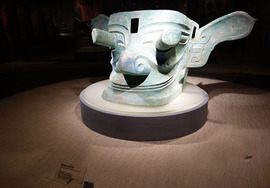
Explore Chengdu’s highlights in one day with a visit to the Giant Panda Base and Sanxingdui Museum. See adorable pandas and discover the mysterious 3,000-year-old Shu civilization with an expert loca......
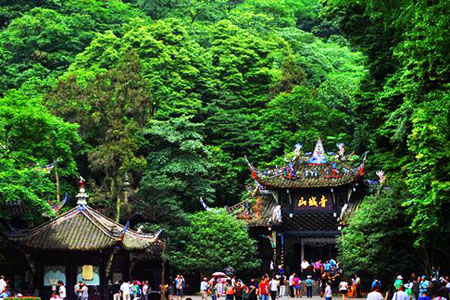
Explore Mount Qingcheng and Dujiangyan near Chengdu, discovering Taoist culture, mountain scenery and a 2,000-year-old ancient irrigation system.......
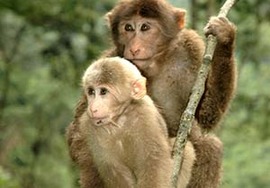
Classic two days tours to west Chengdu, where Leshan Giant Buddha and Mt Emeishan are both world class top tour destinations, and also visit a local old town. ......
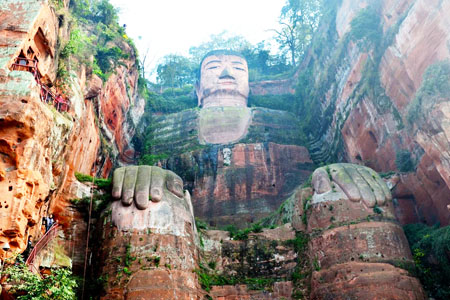
Explore the best of Chengdu and Sichuan on this 3-day private tour. Visit Chengdu Panda Base, Kuanzhai Alley, Wangjianglou Bamboo Park, Leshan Giant Buddha, Luocheng Ancient Town, and Mount Emei with a......
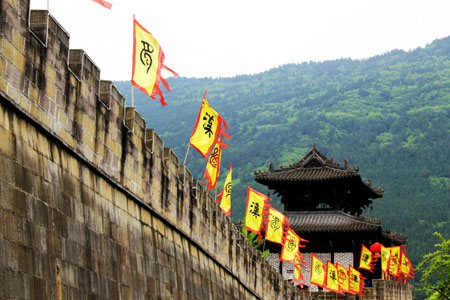
Explore Sichuan’s ancient history and culture on a 3-day private tour from Chengdu. Visit the Giant Panda Base, Sanxingdui Museum, Jianmen Pass, Zhaohua Ancient Town, and Langzhong Ancient Town to di......

