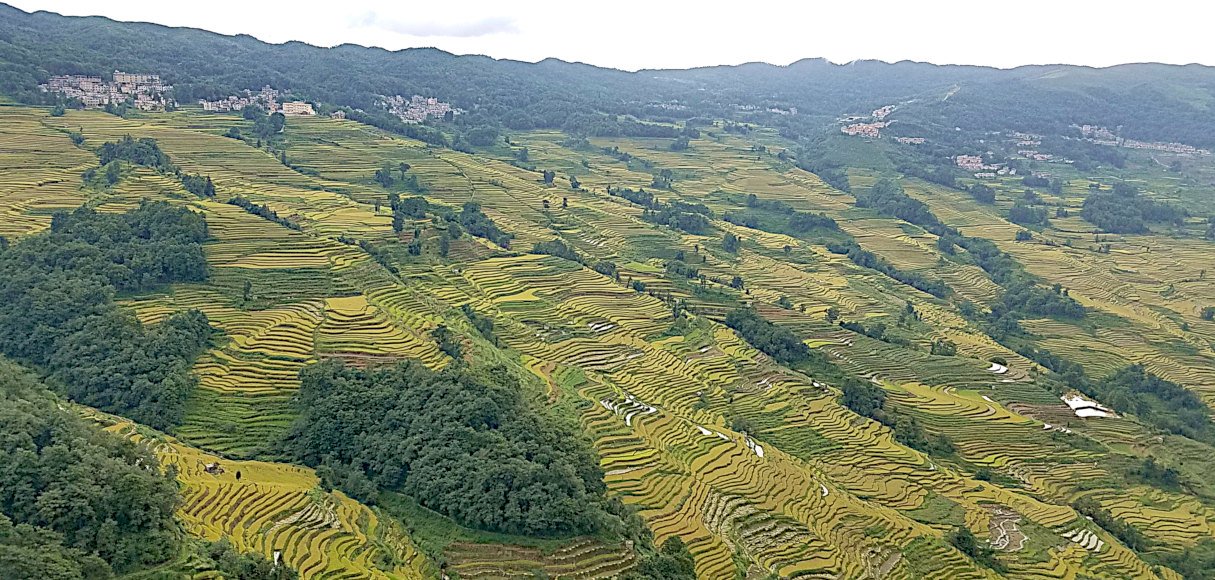
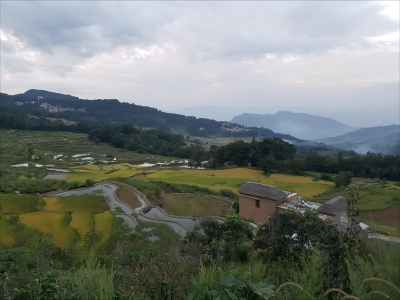
 Yuanyang Rice Terraces are one of the most spectacular agricultural landscapes in China and a masterpiece of traditional farming civilization created by the Hani ethnic group over thousands of years.
Located on the southern slopes of the Ailao Mountains in Yuanyang County, Honghe Hani and Yi Autonomous Prefecture, Yunnan Province, the terraces are famous for their magnificent scale, unique ecological system, and breathtaking scenery of mountains, clouds, and water reflections.
Recognized as part of the UNESCO World Heritage Site “Honghe Hani Rice Terraces”, Yuanyang Rice Terraces represent the harmonious relationship between humans and nature. They demonstrate the wisdom of the Hani people, who developed a sustainable agricultural system adapted perfectly to the mountainous environment.
History and Farming Culture of Yuanyang Rice Terraces
For generations, the Hani people have transformed steep mountain slopes into thousands of layers of rice terraces by adapting to the local geography and climate.
Instead of changing the natural landscape, they carefully followed the shape of the mountains, creating terraces of different sizes:
* Large terraces covering thousands of acres
* Small fields hidden between valleys
* Tiny plots built even among rocky gaps
Some terraces are vast and continuous, while others are only the size of a large bamboo basket. Together, they form an extraordinary agricultural landscape stretching across the mountains.
The traditional Hani farming system combines:
* Forest conservation on mountain tops
* Natural water circulation
* Village settlements in the middle areas
* Rice cultivation on lower slopes
This ecological model has allowed the terraces to survive for more than a thousand years.
Main Scenic Areas of Yuanyang Rice Terraces
The Yuanyang Rice Terraces are mainly divided into three major scenic areas:
1. Bada Rice Terraces Scenic Area
2. Tiger Mouth (Laohuzui) Rice Terraces Scenic Area
3. Duoyishu Rice Terraces Scenic Area
Together, these areas contain tens of thousands of acres of terraces surrounded by forests, traditional villages, and sea-like clouds, creating one of the most beautiful rural landscapes in China.
Besides these famous areas, many other villages also have magnificent terraces. Due to their remote locations and difficult transportation, many remain peaceful and less visited.
Top Attractions of Yuanyang Rice Terraces
Qingkou Hani Folk Village
Located inside Yuanyang Rice Terraces National Wetland Park, about 8 kilometers from Xinjie Town, Qingkou Hani Folk Village is one of the best places to experience traditional Hani culture.
The village preserves the complete ecological system known as:
“Forest – Water System – Village – Terrace”
This unique model reflects the Hani people’s traditional approach to sustainable agriculture.
Visitors can explore:
* Traditional Hani mushroom-shaped houses
* Ancient farming methods
* Ethnic customs
* Local festivals and lifestyles
* Beautiful terrace landscapes surrounded by clouds
Qingkou is considered a living example of how humans can coexist with nature.
Tiger Mouth (Laohuzui) Rice Terraces
The Tiger Mouth Rice Terraces Scenic Area is one of the most dramatic viewpoints in Yuanyang.
Located within Yuanyang Rice Terraces National Wetland Park, the area covers more than 850 hectares of terraces with extremely diverse shapes and patterns.
During winter and spring, when the fields are filled with water and sunlight reflects across the terraces, the landscape creates stunning images resembling:
* Two running horses
* Hidden dragons
* A giant turtle resting in the valley
The combination of steep mountains, colorful terraces, and changing light makes Tiger Mouth a favorite destination for photographers.
Duoyishu Rice Terraces
The Duoyishu Rice Terraces Scenic Area is one of the best places in Yuanyang to watch sunrise and the sea of clouds.
Located at an altitude of around 1,900 meters, the terraces cover approximately 650 hectares and are distributed around:
* Duoyishu Village
* Aichun Village
* Dawa Village
The terraces spread across mountain slopes with gradients between 25 and 50 degrees, creating a spectacular layered landscape.
Main attractions include:
* Huangcaoling Terrace
* Pugao Laozhai Terrace
* Duoyishu Village
* Zongwa Tusi Official Building
Duoyishu is especially famous for its magnificent sunrise over the cloud-covered terraces.
Bada Rice Terraces
The Bada Rice Terraces Scenic Area is one of the largest and most impressive terrace landscapes in Yuanyang, covering more than 950 hectares.
The terraces extend from the Malizhai River at about 800 meters above sea level to mountain peaks reaching nearly 2,000 meters.
Thousands of terrace layers climb the mountains like a giant staircase reaching toward the sky.
The villages of:
* Malizhai
* Bada
* Shangmadian
* Quanfuzhuang
appear to float above the clouds, creating a dreamlike landscape.
Bada is one of the best places to enjoy:
* Sea of clouds
* Sunset views
* Photography opportunities
* Traditional Hani villages
Main viewpoints include:
* Quanfuzhuang Terrace
* Malizhai Terrace
* Bada Terrace
* Shangmadian Terrace
Xinjie Town Scenic Area
Located about 30 kilometers south of Yuanyang County, and approximately 303 kilometers from Kunming, Xinjie Scenic Area is the main tourism center for exploring Yuanyang Rice Terraces.
Main attractions include:
* Yunwu Mountain Town
* Qingkou Hani Village
* Longshuba Sunset Terrace
* Tuguo Village Sunrise Terrace
* Jinzhu Village Rural Landscape
* Bajiaoling Mountain Tusi Site
The area combines natural scenery with the cultural traditions of:
* Hani people
* Yi people
* Han people
* Dai people
Visitors can enjoy terrace views, cloud seas, traditional villages, and diverse ethnic cultures.
Mengpin Scenic Area
Located about 20 kilometers south of Xinjie Town, Mengpin Scenic Area combines natural landscapes with Yi ethnic culture.
The area is ideal for visitors interested in:
* Yi traditions
* Local customs
* Historical development
* Traditional farming culture
Standing at the famous Tiger Mouth viewpoint, visitors can see more than 3,000 mu of terraces spreading across the valley.
The terraces resemble a giant blooming flower and are considered by photographers to be among the most magnificent rural landscapes in the world.
The scenery was recognized internationally and was selected by the French press as one of the seven newly discovered wonders in 1993.
Honghe Valley Scenic Area
The Honghe Valley Scenic Area focuses on Dai ethnic culture and tropical landscapes.
Highlights include:
* Dai traditional customs
* Ancient historical sites
* Tropical scenery
* Tropical fruit forests
* Botanical gardens
* Dai music and dance performances
It provides a different cultural experience from the mountain terrace landscapes.
Habo Scenic Area
Located about 115 kilometers south of Yuanyang County and 85 kilometers south of Xinjie Town, Habo Scenic Area is known for its combination of Hani culture and rice farming traditions.
Visitors can learn about:
* Hani festivals
* Traditional songs and dances
* Agricultural customs
* Ethnic lifestyles
The area offers an authentic cultural experience and is an excellent destination for travelers interested in minority traditions.
Best Time to Visit Yuanyang Rice Terraces
The best time to visit Yuanyang Rice Terraces is generally from:
November to April
During this period, the terraces are filled with water, creating mirror-like reflections of the sky, clouds, and sunrise.
Highlights include:
* Golden sunrise over Duoyishu
* Sunset at Bada
* Reflections at Tiger Mouth
* Misty cloud seas after rain
The winter and spring seasons offer the most spectacular photography conditions.
Why Visit Yuanyang Rice Terraces?
Yuanyang Rice Terraces are more than a scenic attraction. They are a living cultural landscape that combines:
* Ancient farming wisdom
* Hani ethnic traditions
* UNESCO World Heritage value
* Extraordinary mountain scenery
* Sustainable ecological practices
For travelers exploring Yunnan Province, Yuanyang offers one of China’s most unforgettable experiences — a journey into a landscape where nature, culture, and human creativity have existed in harmony for more than a thousand years.