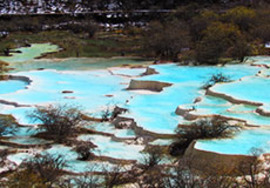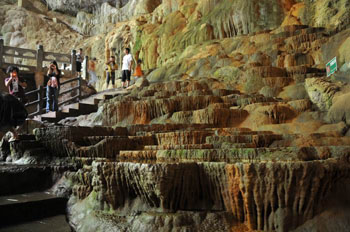
The South China Karst is one of the world’s most spectacular karst landscapes, famous for its dramatic stone formations, underground caves, deep valleys, and unique geological features.
Inscribed on the UNESCO World Heritage List in 2007, the South China Karst represents some of the most outstanding examples of karst landforms on Earth. The World Heritage site includes three major areas:
* Stone Forest (Shilin) in Yunnan Province
* Libo Karst in Guizhou Province
* Wulong Karst in Chongqing Municipality
Together, these areas showcase the extraordinary beauty and geological diversity created by millions of years of natural erosion.
What Is Karst?
Karst is a special type of landscape formed mainly through the dissolution of soluble rocks, especially limestone and dolostone.
Over millions of years, rainwater and underground water gradually dissolve the rock, creating unique natural features such as:
* Stone forests
* Caves
* Underground rivers
* Natural bridges
* Sinkholes
* Cliffs and valleys
Unlike ordinary landscapes where water mainly flows across the surface, karst regions often absorb water underground through cracks and channels. Over time, these underground water systems create complex cave networks and reshape the surface landscape.
South China contains some of the most impressive karst formations in the world because of its extensive limestone areas, warm climate, and long geological history.
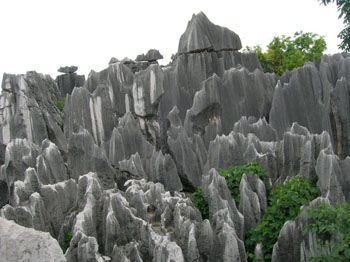 Stone Forest in Yunnan
The Stone Forest (Shilin) in Yunnan Province is one of the most famous karst attractions in China.
Located near Kunming, the Stone Forest features thousands of towering limestone pillars that rise dramatically from the ground, creating a landscape that resembles a vast stone forest.
Formed over hundreds of millions of years, these unusual rock formations have been shaped by natural erosion. The tall stone peaks, narrow paths, and unique shapes have inspired countless legends among local communities.
The Stone Forest is also closely connected with the culture of the Yi ethnic group, who have lived in the region for generations. Visitors can experience both the spectacular geological scenery and the rich local traditions.
Libo Karst in Guizhou
The Libo Karst area in Guizhou Province is known for its beautiful combination of karst mountains, forests, rivers, and waterfalls.
Unlike the dramatic stone pillars of Yunnan’s Stone Forest, Libo features a more natural landscape dominated by dense vegetation and flowing water.
The area is famous for:
* Tower karst formations
* Clear rivers and streams
* Ancient forests
* Caves and underground landscapes
The combination of limestone peaks and lush forests creates a peaceful and picturesque environment, making Libo one of the most attractive natural destinations in Guizhou.
Wulong Karst in Chongqing
The Wulong Karst area in Chongqing is famous for its spectacular cliffs, natural bridges, giant sinkholes, and impressive underground caves.
Major attractions include:
* Three Natural Bridges
* Furong Cave
* Giant sinkholes
* Deep valleys surrounded by limestone cliffs
The natural bridges of Wulong are among the largest examples of their kind in the world. These enormous limestone formations demonstrate the powerful geological forces that have shaped the landscape over millions of years.
Geological Importance of South China Karst
The South China Karst is considered a natural geological museum because it preserves a wide variety of karst landforms and demonstrates different stages of landscape evolution.
The region provides important scientific information about:
* Limestone erosion processes
* Underground water systems
* Geological history
* Climate changes over millions of years
Its diverse landscapes help researchers understand how natural environments develop and transform over long periods.
Biodiversity of Karst Regions
Karst landscapes are not only important for geology but also support unique ecosystems.
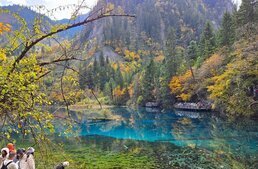
The combination of mountains, forests, rivers, caves, and varying elevations creates habitats for many plants and animals.
Many species found in South China’s karst regions are specially adapted to limestone environments, making these areas important for biodiversity conservation.
Visiting South China Karst
The South China Karst offers travelers a chance to experience some of China’s most extraordinary natural landscapes.
Visitors can:
* Walk among towering stone pillars in the Stone Forest
* Explore caves and underground rivers
* Discover waterfalls and forests in Libo
* Admire dramatic cliffs and natural bridges in Wulong
For nature lovers, photographers, geology enthusiasts, and travelers seeking unique landscapes, the South China Karst provides an unforgettable journey through one of the world’s greatest natural wonders.
UNESCO World Heritage Recognition
The South China Karst was officially added to the UNESCO World Heritage List in 2007 because of its exceptional geological value and outstanding natural beauty.
The site represents the remarkable interaction between water, rock, climate, and time, creating landscapes that are both scientifically important and visually spectacular.
From the stone pillars of Yunnan to the caves and valleys of Guizhou and Chongqing, the South China Karst demonstrates the incredible power of nature and remains one of China’s most fascinating natural heritage destinations.