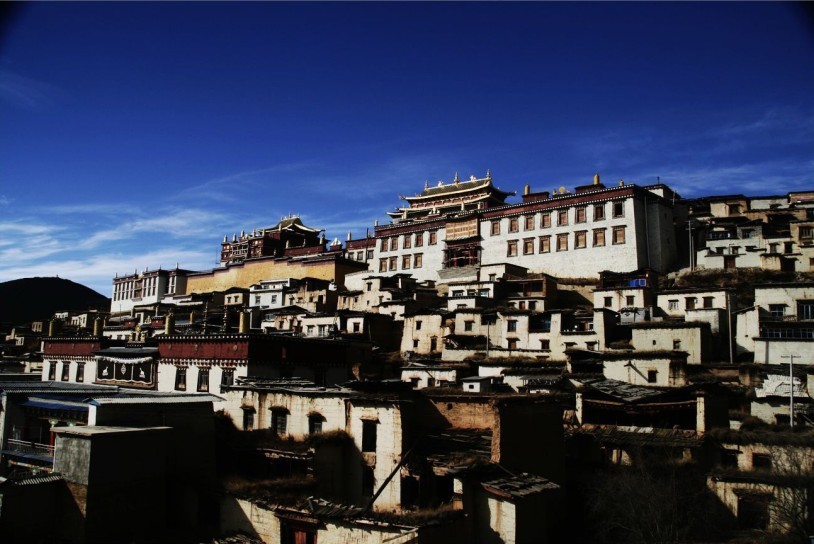
 Songzanlin Monastery, also known as Guihua Monastery, is the largest Tibetan Buddhist monastery in Yunnan Province and one of the most important Tibetan Buddhist monasteries in the historic Kham region. Located near Shangri-La in northwestern Yunnan, the monastery stands at the foot of Foping Mountain and is surrounded by the spectacular highland scenery of the Tibetan Plateau.
Often described as the “Little Potala Palace,” Songzanlin Monastery is renowned for its traditional Tibetan architecture, magnificent Buddhist halls, colorful murals, and rich collection of religious artifacts. It is one of the most important cultural and religious attractions in Shangri-La and an excellent place to experience Tibetan Buddhist culture in Yunnan.
History of Songzanlin Monastery
Construction of Songzanlin Monastery began in 1679 and was completed in 1681. According to local tradition, the site was selected after the Fifth Dalai Lama identified the location through divination.
The monastery was established during the Qing Dynasty and became an important center of Tibetan Buddhism in the region. Over the centuries, it has played an important role in the religious and cultural life of local Tibetan communities.
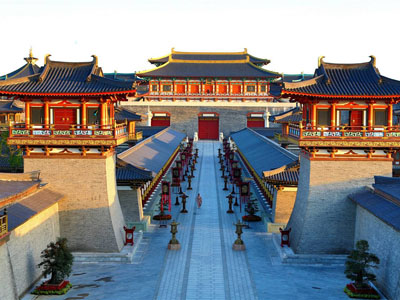
The monastery is a large architectural complex consisting primarily of the Zhacang and Jikang lamaseries, together with numerous surrounding buildings. Its layout and architecture reflect the traditional style of Tibetan Buddhist monasteries while also showing influences from other Chinese architectural traditions.
Architecture of Songzanlin Monastery
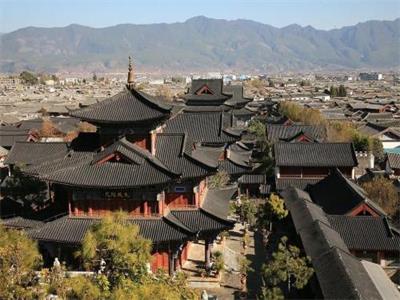
From a distance, Songzanlin Monastery looks like a magnificent Tibetan fortress rising above the surrounding landscape. Its white walls, dark red structures, gilded roofs, and imposing Buddhist halls create a distinctive appearance against the mountains.
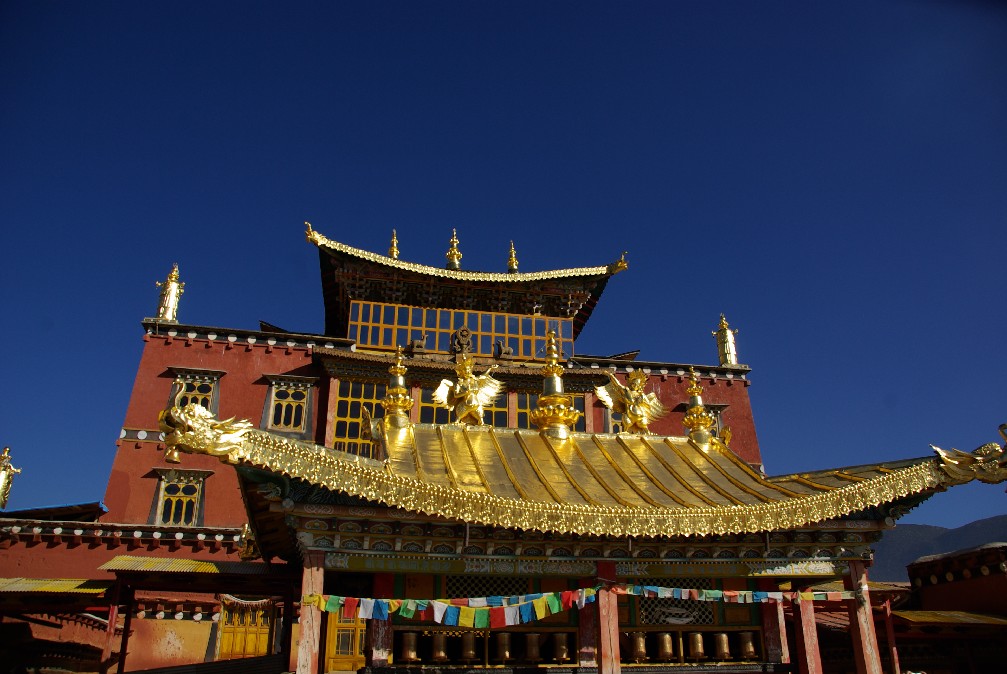
The monastery’s architectural design incorporates strong Tibetan characteristics. Its major halls are decorated with traditional religious motifs, while the interiors feature elaborate woodwork, sculptures, murals, and other artistic details.
The main halls are particularly impressive. Beautiful murals depicting Buddhist stories, religious figures, and traditional legends can be found throughout the complex. The corridors and halls are also decorated with intricate sculptures and colorful Tibetan Buddhist artwork.
The monastery’s architectural details demonstrate the craftsmanship of generations of Tibetan and other local artisans.
 Buddhist Art and Religious Treasures
Songzanlin Monastery contains an important collection of Buddhist religious objects and works of art. Visitors can see statues of Buddha and other Buddhist figures, traditional lamps, Tibetan scriptures, incense burners, murals, sculptures, and other religious artifacts.
Many of these objects have been preserved and passed down through generations, reflecting the long religious history of the monastery and the cultural traditions of the Tibetan communities in the region.
The combination of architecture, religious art, and natural surroundings makes Songzanlin Monastery more than just a sightseeing destination. It remains an important place of worship and religious practice.
Visitors should therefore respect the religious atmosphere when exploring the monastery, particularly inside Buddhist halls and during ceremonies.
Why Is Songzanlin Monastery Called the “Little Potala Palace”?
Songzanlin Monastery is often nicknamed the “Little Potala Palace” because of its imposing scale, hillside setting, and traditional Tibetan architectural style.
Its large central buildings rise above the surrounding structures, creating a dramatic silhouette that resembles the famous Potala Palace in Lhasa. However, Songzanlin Monastery has its own distinctive architectural style and cultural history.
The monastery’s location in the mountains, combined with its white walls, golden roofs, and Tibetan Buddhist decorations, creates an especially impressive scene when viewed from a distance.
Tibetan Buddhist Culture
Songzanlin Monastery remains an important center of Tibetan Buddhist culture in Shangri-La. Local Tibetan communities continue to visit the monastery for religious ceremonies, festivals, and prayer.
One of the important traditional celebrations associated with the monastery is the Gedong Festival, which features religious ceremonies, traditional performances, and colorful cultural activities.
During major religious festivals, pilgrims and worshippers gather at the monastery to pray and participate in Buddhist rituals. The sight of devoted pilgrims making traditional acts of worship around the monastery offers visitors a deeper understanding of Tibetan religious traditions.
Location and Altitude
Songzanlin Monastery is located near Shangri-La in northwestern Yunnan at an elevation of more than 3,300 meters (10,827 feet) above sea level.
Because of its high-altitude location, visitors may experience cooler temperatures and lower oxygen levels than in the lowland areas of Yunnan. Weather conditions can change quickly, particularly during the rainy season.
The rainy season generally lasts from June to September, while temperatures can remain cool throughout the year. Visitors should bring warm clothing and allow some time to adjust to the altitude.
Best Time to Visit Songzanlin Monastery
Songzanlin Monastery can be visited throughout the year, but the weather and scenery vary considerably by season.
Spring and autumn are generally comfortable periods for sightseeing, with relatively pleasant temperatures and good opportunities for photography. Summer brings more rainfall, but the surrounding mountains and grasslands are lush and green.
Winter can be cold, but clear skies and snow-covered mountain scenery can create a beautiful atmosphere around the monastery.
Regardless of the season, visitors should prepare for significant temperature changes between daytime and nighttime because of Shangri-La’s high altitude.
Visiting Songzanlin Monastery
A visit to Songzanlin Monastery is an opportunity to experience the combination of Tibetan Buddhist culture, traditional architecture, religious art, and highland scenery.
Visitors can explore the monastery’s grand halls, admire its murals and sculptures, learn about Tibetan Buddhist traditions, and enjoy panoramic views of the surrounding mountains and valleys.
For travelers exploring Shangri-La, Songzanlin Monastery is one of the most important cultural attractions in the region and a must-see destination for anyone interested in Tibetan culture and Buddhist heritage.
Songzanlin Monastery is not only an architectural landmark but also a living center of Tibetan Buddhist culture in Yunnan.