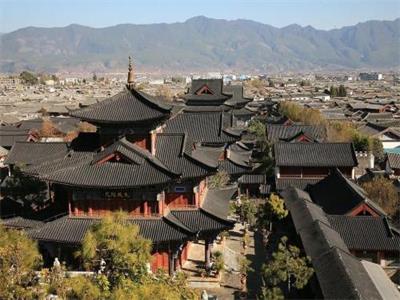
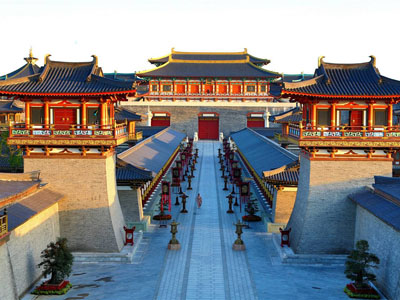
Located beside the Baoxiang River on the northern shore of Dianchi Lake, about 8 kilometers southeast of downtown Kunming, Guandu Ancient Town is one of the most famous historical and cultural towns in the Kunming area. Covering an area of approximately 1.5 square kilometers, it is a fascinating destination where visitors can experience Yunnan’s history, architecture, religion, and local cuisine.
With a history of more than 1,000 years, Guandu was once an important ferry and commercial center on the eastern shore of Dianchi Lake. Today, its well-preserved temples, pagodas, traditional streets, and cultural relics make it one of the highlights of Kunming sightseeing.

History of Guandu Ancient Town
Guandu was originally known as Wodong, a small fishing village located along Dianchi Lake. According to historical records, the area was named Guandu (“Official Ferry”) because it served as an important stopping place for official boats and travelers entering Kunming.
During the Tang Dynasty, the Nanzhao Kingdom established a military settlement here. Later, in the Song Dynasty, Guandu developed into an important transportation hub and market town. During the Yuan Dynasty, Guandu was officially established as a county together with Kunming County, becoming a prosperous center of trade and handicraft production.
In the Ming and Qing dynasties, Guandu reached its peak. Merchants gathered here, temples and pagodas stood throughout the town, and it became known as a lively cultural and commercial center in central Yunnan.
Cultural Heritage and Ancient Architecture
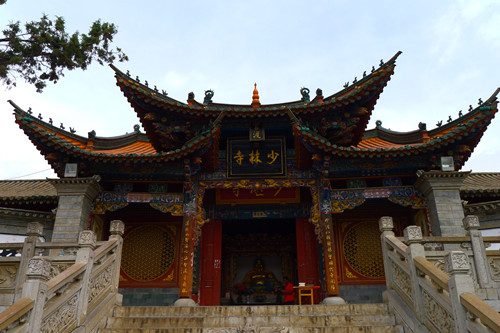
Guandu Ancient Town is famous for its rich collection of historical buildings. Within this small area, visitors can find numerous temples, pavilions, towers, and cultural relics dating from the Tang, Song, Yuan, Ming, and Qing dynasties.
The town is traditionally described as having:
* Five hills
* Six monasteries
* Seven pavilions
* Eight temples
Among the most important historical sites are:
Miaozhan Temple Vajra Pagoda
Built during the Ming Dynasty, the Vajra Pagoda of Miaozhan Temple is one of Guandu’s most valuable cultural treasures. Constructed with distinctive Buddhist architectural features, it is now a national-level cultural relic protection site and a symbol of the ancient town.
Fading Temple
Originally built during the Song Dynasty, Fading Temple represents the long Buddhist tradition of Guandu and reflects the influence of religion on local culture.

Confucius Temple
Built during the Yuan Dynasty, the Confucius Temple demonstrates the importance of Confucian culture in the historical development of Yunnan.
Other historic sites include the Earth God Temple from the Tang Dynasty, East Pagoda, Martial Temple, Wugu Temple, Yuntaigong Temple, Guanyin Temple, ancient bridges, and traditional pavilions.
Local Culture and Traditional Life
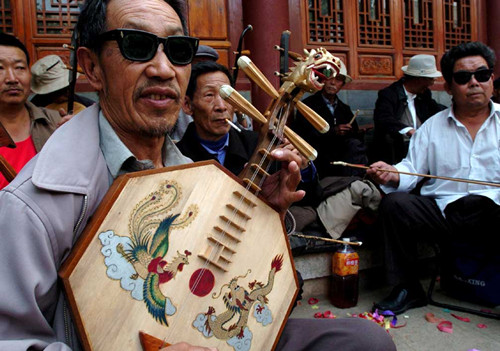
Beyond its historical buildings, Guandu Ancient Town offers visitors an authentic glimpse into traditional Yunnan life. The old streets are filled with local shops, handicraft stores, tea houses, and restaurants.
The town is especially famous for its traditional snacks, including the “Three Treasures of Guandu”:
* Guandu Rice Noodles
* Guandu Baba (traditional Yunnan flat cake)
* Guandu Erkuai (Yunnan rice cake)
Walking through the ancient streets, tasting local specialties, and watching traditional performances are among the best ways to experience the charm of Guandu.
Travel Experience
Today, Guandu Ancient Town combines historical heritage with modern leisure facilities. Visitors can explore ancient temples, admire traditional architecture, enjoy local food, and learn about the cultural diversity of Yunnan.
For travelers interested in history, Buddhism, traditional architecture, and local cuisine, Guandu Ancient Town is an ideal cultural stop during a Kunming tour.