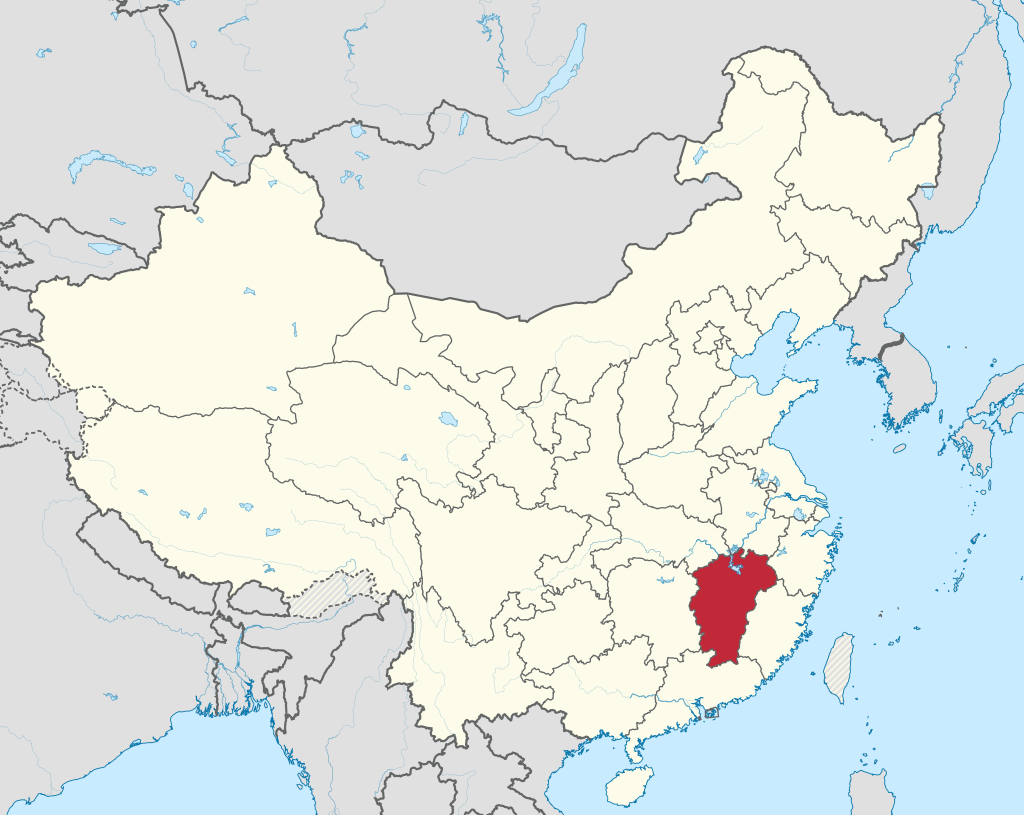
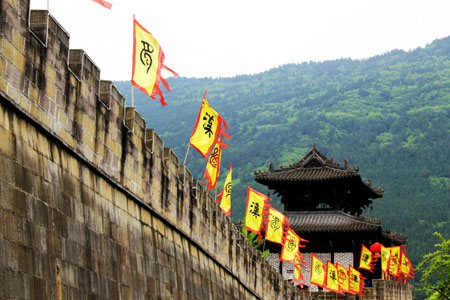
Located in the middle and lower reaches of the Yangtze River, Jiangxi Province is a fascinating destination in southeastern China, known for its rich history, beautiful landscapes, traditional culture, and important heritage sites.
Jiangxi borders Zhejiang, Fujian, Guangdong, Hunan, Hubei, and Anhui provinces, making it an important link between eastern, southern, and central China.
The province received its name during the Tang Dynasty (618–907). Since the Gan River flows through Jiangxi from south to north, the province is also commonly known as “Gan” (赣).
Covering an area of approximately 166,900 square kilometers, Jiangxi is home to around 40 million people and offers travelers a diverse experience combining ancient culture, natural scenery, and traditional lifestyles.
Rich History and Cultural Heritage
Jiangxi has a long and remarkable history, with numerous historical sites attracting visitors from around the world.
Nanchang – The Capital City of Jiangxi
Nanchang, the provincial capital, is one of Jiangxi’s most important cultural and historical cities.
The city is home to the famous Tengwang Pavilion, one of the Three Great Pavilions South of the Yangtze River. Originally built during the Tang Dynasty, the pavilion became world-famous because of the celebrated literary work “Preface to Tengwang Pavilion” written by Tang Dynasty poet Wang Bo.
Another important historical site is Donglin Temple, located at the foot of Lushan Mountain. Founded in 386 AD, the temple was closely associated with the Buddhist monk Huiyuan (334–416), the founder of the Pure Land School of Buddhism. Huiyuan spent many years here translating Buddhist scriptures, making Donglin Temple an important center of Buddhist culture in China.
Jingdezhen: The Porcelain Capital of China
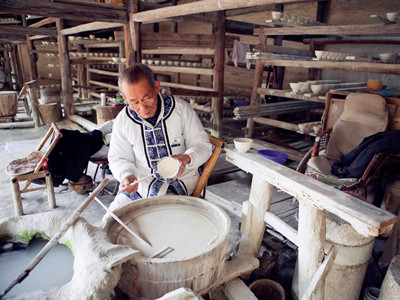
One of the highlights of traveling in Jiangxi is Jingdezhen, internationally known as the “Porcelain Capital of China.”
With a history of ceramic production dating back more than 1,800 years, Jingdezhen has played a central role in the development of Chinese porcelain.
Today, visitors can explore:
* Traditional porcelain workshops
* Ancient kiln sites
* Ceramic museums
* Local handicraft markets
Travelers can experience the craftsmanship behind China’s famous porcelain and learn about the city’s centuries-old ceramic traditions.
Tea Culture and Traditional Industries
Jiangxi is also one of China’s historic tea-producing regions.
The province is famous for:
* Ninghong Tea from Xiushui County, one of China’s well-known black teas
* Wuyuan Green Tea, produced in the beautiful countryside of Wuyuan
The combination of fertile mountains, clean water, and favorable climate has allowed Jiangxi’s tea culture to flourish for centuries.
Natural Landscapes of Jiangxi
Beyond its cultural heritage, Jiangxi is blessed with spectacular natural scenery.
Famous scenic destinations include:
* Lushan Mountain – a UNESCO World Heritage Site known for dramatic peaks, waterfalls, and cultural landscapes
* Sanqing Mountain – famous for granite peaks and unique rock formations
* Longhu Mountain – an important Taoist cultural site with beautiful landscapes
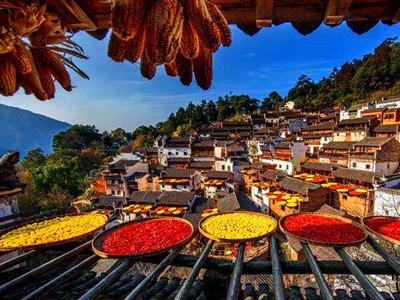
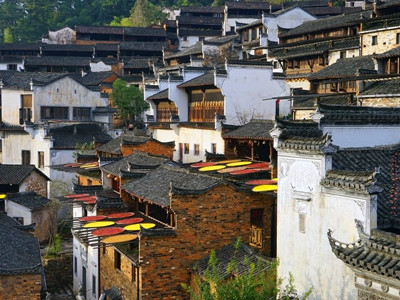
* Wuyuan Countryside – known as one of China’s most beautiful rural areas
* Jinggangshan Mountain – combining mountain scenery with revolutionary heritage
From mountains and forests to ancient villages and rivers, Jiangxi provides travelers with diverse outdoor experiences.
Transportation in Jiangxi
Jiangxi enjoys convenient transportation connections through an extensive network of:
* High-speed railways
* Expressways
* Airports
* Water transportation routes
Nanchang, as the provincial capital, serves as the transportation hub of Jiangxi and provides easy access to major cities and tourist destinations throughout the province.
Traditional Festival: Qixi Festival
Among Jiangxi’s traditional cultural celebrations, the Qixi Festival (Double Seventh Festival) is one of the most romantic.
Celebrated on the 7th day of the 7th month of the lunar calendar, Qixi usually falls in August according to the Gregorian calendar. The festival takes place during midsummer when nature is at its most vibrant.
According to Chinese legend, the bright stars on both sides of the Milky Way represent Niulang (the Cowherd) and Zhinü (the Weaver Girl), a couple separated by the Milky Way who are allowed to meet once a year.
The romantic legend has been passed down for generations and remains an important part of Chinese traditional culture.
Why Visit Jiangxi?
Jiangxi is a destination where history, nature, and traditional culture come together.
Whether exploring ancient pavilions in Nanchang, discovering porcelain craftsmanship in Jingdezhen, hiking through Lushan’s mountains, visiting historic villages in Wuyuan, or experiencing revolutionary heritage in Jinggangshan, travelers can discover many different sides of China in one province.
For visitors seeking authentic cultural experiences away from China’s busiest tourist destinations, Jiangxi offers a journey filled with heritage, scenery, and timeless traditions.