 Mawangdui Han Tombs is one of the most significant archaeological discoveries in China. Located in the eastern suburbs of Changsha, Hunan Province, this ancient burial site dates back to the Western Han Dynasty (206 BC–9 AD) and provides extraordinary insights into the history, culture, art, medicine, and daily life of over 2,000 years ago.
The site contains three Han Dynasty tombs excavated in the 1970s. Archaeologists discovered that the tombs belonged to Li Cang, the Marquis of Dai who died in 186 BC; his wife Lady Dai (Xin Zhui), who died around 163 BC; and their son. The tomb chambers were located approximately 15 to 18 meters underground and covered by a large earthen mound, which helped preserve the buried treasures for centuries.
Over 3,000 Ancient Relics Discovered
The excavation of Mawangdui revealed more than 3,000 valuable artifacts, including silk textiles, silk manuscripts, silk paintings, lacquerware, pottery, bamboo slips, weapons, and medicinal materials. These discoveries have greatly contributed to the study of the Western Han Dynasty and ancient Chinese civilization.
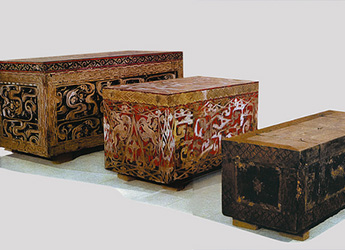
Among the unearthed objects, lacquerware represents one of the largest collections. The artifacts include cooking utensils, boxes, containers, plates, and folding screens decorated with elegant red and black patterns. Many pottery vessels were found containing food remains, with their openings carefully sealed by grass and mud. Bamboo labels attached to the containers recorded the names of the stored items, offering valuable information about Han Dynasty food culture.
The tombs also contained wooden burial figures, both clothed and unclothed, reflecting the strict social hierarchy and status system of the Western Han period.
 Lady Dai’s Remarkably Preserved Body
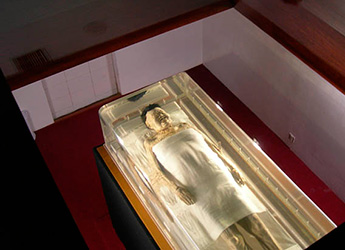
One of the greatest archaeological wonders of Mawangdui is the exceptionally preserved body of Lady Dai from Tomb No. 1. When discovered, her body was still soft and well-preserved after more than 2,000 years. Her skin remained flexible, her internal organs were intact, and some joints could still move.
Unlike traditional mummies or naturally preserved corpses, Lady Dai’s body represents a unique form of preservation and has become an important subject in archaeological, medical, and scientific research. This extraordinary discovery shocked the world and provided valuable knowledge about ancient Chinese burial techniques and preservation methods.
The Lightweight Silk Garment and Han Dynasty Textile Art
Among the most impressive discoveries from Tomb No. 1 is a delicate silk garment known for its extraordinary craftsmanship. The transparent silk robe is about 1.28 meters long with long sleeves but weighs only around 49 grams, demonstrating the advanced textile technology and artistic achievements of the Western Han Dynasty.
The collection of silk clothing found at Mawangdui reveals the sophistication of ancient Chinese weaving techniques and provides important evidence of the high level of craftsmanship achieved more than two thousand years ago.
Ancient Maps and Silk Manuscripts
A silk map discovered in Tomb No. 2 is another remarkable artifact. Its advanced drawing techniques and geographical markings closely resemble modern map-making methods. When displayed internationally, the map was praised by scholars as a groundbreaking archaeological discovery.
The silk manuscripts discovered at Mawangdui contain more than 100,000 Chinese characters. Covering subjects such as philosophy, history, astronomy, medicine, and science, these texts are among the most valuable historical documents from ancient China. They have provided researchers with important information about early Chinese knowledge systems and intellectual development.
The T-Shaped Silk Painting – A Masterpiece of Han Art
The most famous artwork from Mawangdui is the T-shaped silk painting discovered on the coffin of Lady Dai’s tomb. It is considered the best-preserved and most artistically valuable silk funerary painting from the Han Dynasty.
Known as a “T-shaped silk painting” because of its unique shape, the artwork was originally used as a funeral banner carried during burial ceremonies and later placed over the coffin. The painting is divided into three sections:
* The upper section: Represents heaven and the spiritual world after death.
* The middle section: Shows the earthly world, including the wealth and status of the deceased.
* The lower section: Represents the underworld and the happiness of the afterlife.
With its symmetrical composition, vivid colors, mysterious symbols, and detailed illustrations of mythical creatures and gods, the painting reflects the remarkable artistic achievements and spiritual beliefs of the Western Han Dynasty.
Visiting Mawangdui Han Dynasty Tombs
Mawangdui is not only a landmark of Chinese archaeology but also an important cultural attraction in Changsha. The discoveries from these tombs have transformed the understanding of Han Dynasty history and made a lasting contribution to world archaeology.
Visitors interested in ancient Chinese history, archaeology, art, and traditional culture will find Mawangdui an unforgettable destination. Through its rare relics, silk treasures, ancient manuscripts, and the mystery of Lady Dai’s preserved body, Mawangdui offers a fascinating journey into China’s ancient past.