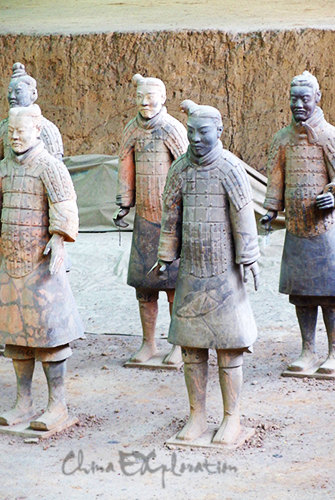
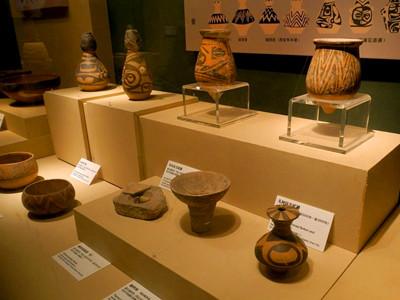
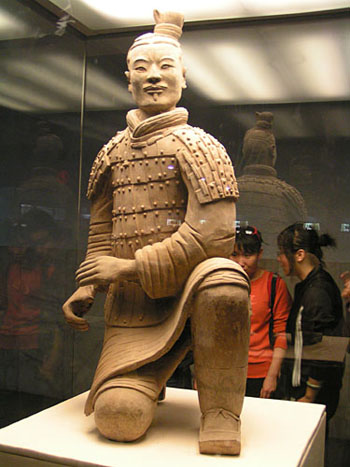
 The Terracotta Warriors Museum in Xi'an, officially known as the Museum of Qin Terracotta Warriors and Horses, is one of the world’s most remarkable archaeological discoveries. Located in Lintong District, about 40 kilometers northeast of downtown Xi’an, the museum preserves the famous underground army created to protect Qin Shi Huang (259–210 BC), the first emperor of unified China.
Discovered in 1974, the Terracotta Army has amazed visitors worldwide with its thousands of life-size soldiers, horses, chariots, and weapons. Often called the “Eighth Wonder of the World,” it provides an extraordinary glimpse into the military power, craftsmanship, and civilization of the Qin Dynasty.
Qin Shi Huang Mausoleum: The First Imperial Tomb of China
Construction of the Qin Shi Huang Mausoleum began in 246 BC, when Qin Shi Huang was only 13 years old, and continued for nearly four decades until 208 BC.
The mausoleum was the first large-scale imperial tomb in Chinese history. Designed to represent the capital city of Xianyang, the Qin capital, the complex included:
* An inner compound
* An outer compound
* Underground burial chambers
* Ceremonial buildings
* Burial pits containing the Terracotta Army
The mausoleum complex covers a vast area, with the inner compound measuring approximately 2.5 kilometers in perimeter and the outer compound about 6.3 kilometers.
The main burial chamber has not yet been opened, but archaeological research suggests it contains a magnificent underground palace filled with precious burial objects.
 Discovery of the Terracotta Army
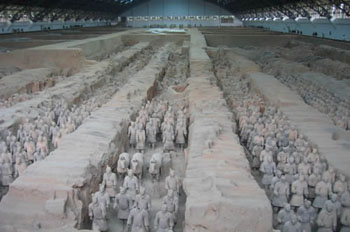
In 1974, local farmers discovered fragments of pottery figures while digging a well near the mausoleum. Archaeological excavations soon revealed one of the greatest discoveries of the 20th century—the underground army of Qin Shi Huang.
Three major terracotta pits have been excavated:
* Pit No. 1 – The largest and most impressive pit, containing thousands of infantry soldiers, horses, and chariots
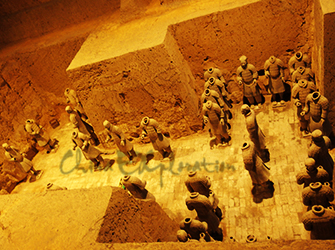
* Pit No. 2 – Contains a variety of military formations, including archers, cavalry, and chariots
* Pit No. 3 – Considered the command center of the ancient army
Together, the pits cover more than 200,000 square meters and contain approximately:
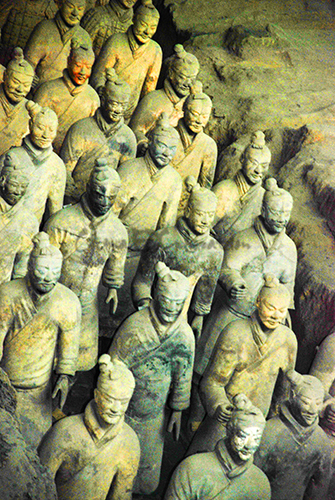
* 8,000 life-size terracotta warriors
* Hundreds of horses
* Wooden chariots
* Bronze weapons
The soldiers were arranged facing east, symbolically protecting the emperor’s eternal empire.
Bronze Chariots and Horses
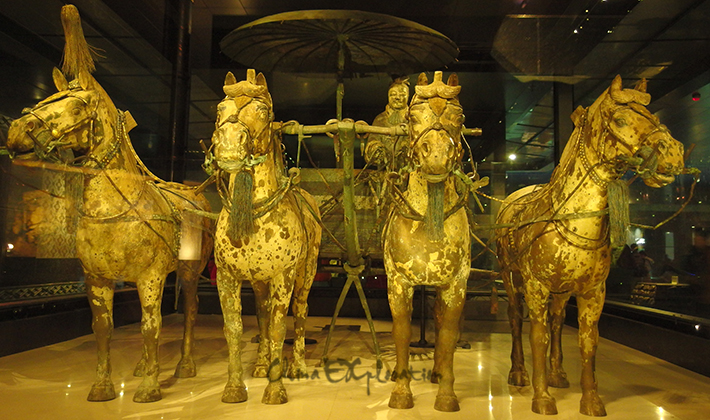
Among the most valuable discoveries from the Qin Mausoleum are the two sets of bronze chariots and horses.
Excavated west of the mausoleum, each bronze carriage is pulled by four horses and includes figures representing an official and a driver.
These bronze masterpieces demonstrate the extraordinary skills of Qin Dynasty craftsmen. The detailed designs include:
* Intricate decorations
* Realistic horse anatomy
* Fine metalwork
* Complex casting techniques
Today, they are regarded as national treasures and some of the finest examples of ancient Chinese bronze craftsmanship.
Ancient Weapons and Bronze Technology
Thousands of bronze weapons have been discovered at the site, including:
* Swords
* Spears
* Daggers
* Arrowheads
Remarkably, many of these weapons remain well preserved after more than 2,000 years underground.
Scientific research shows that Qin craftsmen used advanced bronze-processing techniques and added different metals to improve durability and resistance to corrosion.
Some bronze swords were still extremely sharp when discovered, demonstrating the advanced technology of the Qin Dynasty.
Cultural and Historical Significance
The discovery of the Terracotta Army has greatly contributed to the understanding of Qin Dynasty history.
The unearthed artifacts provide valuable information about:
* Ancient Chinese military organization
* Weapons technology
* Social structure
* Art and sculpture
* Engineering achievements
* Political power of the Qin Empire
The Terracotta Warriors represent the highest achievements of ancient Chinese pottery sculpture and are considered one of the greatest artistic achievements in world history.
In 1987, the Qin Shi Huang Mausoleum was listed as a UNESCO World Heritage Site.
The History of Qin Shi Huang’s Mausoleum
Originally known as Lishan Hill, the mausoleum was described in ancient records as a magnificent artificial mountain covered with vegetation.
Historical documents recorded that the tomb mound was originally about 120 meters high, but centuries of erosion and human activity reduced its current height.
Although the central tomb chamber remains unopened, ongoing archaeological research continues to reveal new discoveries about China’s first emperor and his extraordinary burial complex.
Visiting the Terracotta Warriors Museum
The Terracotta Warriors Museum is one of the most important attractions in Xi’an and a must-see destination for anyone interested in Chinese history.
A visit allows travelers to:
* Stand before thousands of ancient warriors
* Discover the achievements of Qin Dynasty civilization
* Admire world-famous archaeological treasures
* Learn about China’s first unified empire
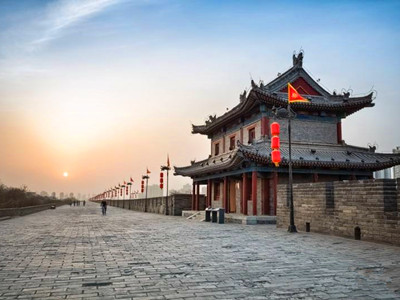
Together with the ancient City Wall, Big Wild Goose Pagoda, and other historical sites, the Terracotta Warriors make Xi’an one of China’s greatest destinations for cultural tourism.
The Underground Army of China’s First Emperor
Qin Shi Huang unified China in 221 BC and established the first centralized imperial dynasty in Chinese history. Soon after becoming emperor, he began constructing his enormous mausoleum near Mount Li (Lishan).
The Terracotta Army was created as part of this underground imperial complex, designed to accompany and protect the emperor after death.
The figures represent a complete ancient military force, including:
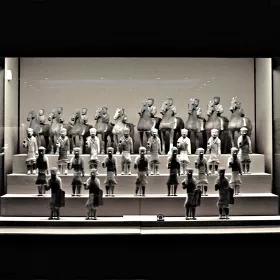
* Infantry soldiers
* Generals
* Cavalry warriors
* Chariots and horses
* Military officers
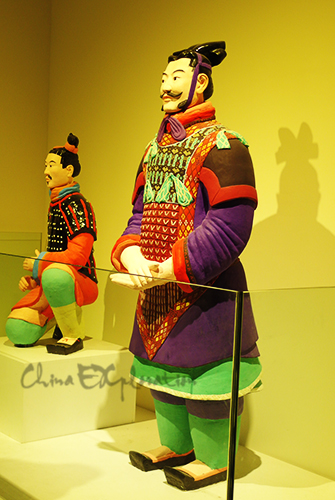
Each figure has unique facial features, hairstyles, clothing, and expressions, reflecting the remarkable craftsmanship of Qin Dynasty artisans.
Discovery of the Terracotta Warriors
The Terracotta Army was discovered on March 29, 1974, by local farmers who were digging a well near the eastern side of Qin Shi Huang’s tomb mound in Lintong District.
After fragments of terracotta figures were uncovered, Chinese archaeologists began systematic excavations. The discovery revealed one of the largest underground archaeological sites ever found.
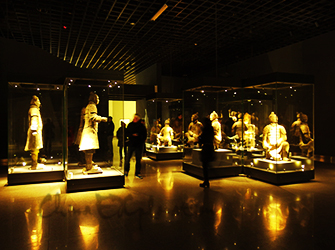
Since then, thousands of terracotta warriors and horses have been restored and displayed in three main excavation pits, attracting millions of visitors from around the world every year.
 The Three Main Terracotta Army Pits
The Terracotta Army museum consists mainly of three excavation pits, each showing different aspects of the ancient military formation.
Pit No. 1: The Main Army Formation
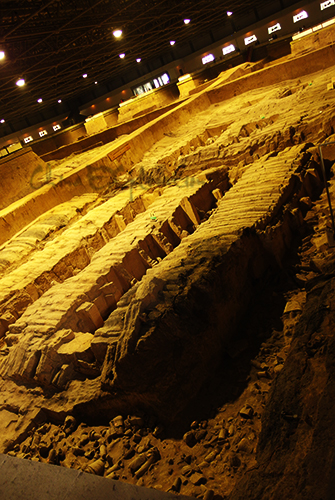
Pit No. 1 is the largest and most impressive excavation area. It contains thousands of infantry soldiers arranged in battle formation, along with horses and wooden chariots.
The huge underground hall allows visitors to see the scale and organization of the Qin Dynasty army.
Pit No. 2: Mixed Military Units
Pit No. 2 contains a more complex military formation, including:
* Archers
* Cavalry units
* Chariot soldiers
* Infantry troops
It provides important insights into ancient Chinese military strategies.
Pit No. 3: The Command Center
Pit No. 3 is believed to represent the headquarters of the ancient army. It contains high-ranking officers and was likely used as the command center during battles.
The Scale of the Terracotta Army
The size of the Terracotta Army is truly remarkable.
Archaeologists estimate that the three main pits contain approximately:
* More than 8,000 soldiers
* Around 130 chariots
* Over 500 horses
Additional excavation areas have revealed other figures, including:
* Civil officials
* Musicians
* Acrobats
* Strongmen
These discoveries show that the Qin imperial burial complex was not only a military representation but also a complete underground world reflecting ancient society.
Qin Shi Huang’s Grand Mausoleum
The Terracotta Army is only part of the enormous Mausoleum of Qin Shi Huang.
According to the ancient historian Sima Qian (145–90 BC), construction of the emperor’s tomb began in 246 BC when Qin Shi Huang was only 13 years old. The project involved hundreds of thousands of workers and continued for decades.
Historical records describe a magnificent underground palace containing:
* Palaces and towers
* Precious treasures
* Rivers represented with mercury
* A ceiling decorated with stars and celestial patterns
Modern archaeological studies have confirmed unusually high levels of mercury around the tomb area, supporting some historical descriptions.
Although historical records suggest that the mausoleum may have been looted after Qin Shi Huang’s death, the untouched underground chambers remain one of the greatest archaeological mysteries in China.
A Symbol of Ancient Chinese Civilization
The Terracotta Army represents the extraordinary achievements of the Qin Dynasty in:
* Sculpture and craftsmanship
* Military organization
* Engineering
* Imperial culture
Each warrior was individually crafted, making the site a remarkable artistic masterpiece. The figures also provide valuable information about ancient Chinese weapons, clothing, military formations, and social hierarchy.
Why Visit the Terracotta Warrior Museum?
The Terracotta Warriors Museum is one of the must-see attractions when visiting Xi’an and one of the most unforgettable historical sites in China.
Standing before thousands of life-sized warriors, visitors can experience the power and ambition of China’s first emperor and discover the remarkable creativity of ancient Chinese civilization.
For anyone traveling to Xi’an, the Terracotta Army offers a once-in-a-lifetime journey into the history of China’s first empire.