Detailed Jinggangshan mountain travel guide.
Located on the border between Jiangxi Province and Hunan Province, approximately 352 kilometers southwest of Nanchang, Jinggangshan Mountain is one of the most important historical and scenic destinations in China.
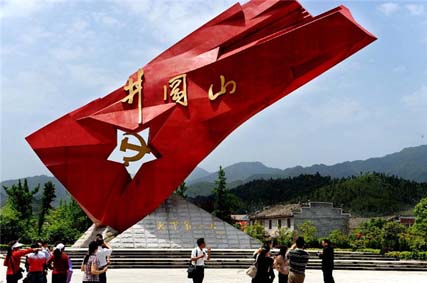
Known as the “Cradle of the Chinese Revolution,” Jinggangshan played a significant role in modern Chinese history. It was here that revolutionary forces led by Mao Zedong and Zhu De established an important revolutionary base in the late 1920s.
Today, Jinggangshan attracts visitors not only for its historical heritage but also for its spectacular natural landscapes, including majestic peaks, deep valleys, forests, waterfalls, and peaceful mountain scenery.
At the heart of Jinggangshan is Ciping Town, a charming mountain town surrounded by lush forests and clear lakes. With a pleasant climate, fresh air, and beautiful scenery throughout the year, Ciping offers visitors a relaxing escape into nature while allowing them to explore important historical sites.
In spring, colorful azaleas cover the mountains; in summer, green forests create a cool environment; in autumn, fragrant osmanthus flowers fill the air; and in winter, plum blossoms bring unique seasonal beauty. The combination of natural landscapes and revolutionary history makes Jinggangshan a special destination in southern China.
Natural Beauty and Cultural Heritage of Jinggangshan
Jinggangshan is famous for its magnificent mountain scenery, including dense forests, peaceful lakes, cliffs, and scenic parks. Popular attractions around Ciping include:
* Nanshan Park – offering panoramic views of the surrounding mountains and town
* Yicui Lake – a peaceful lake surrounded by green landscapes
* Beautiful forests, valleys, and mountain trails ideal for sightseeing and photography
Beyond its natural beauty, Jinggangshan preserves numerous historical sites connected with the revolutionary period, including former residences of important leaders, museums, memorial halls, and martyrs’ cemeteries.
Walking through Jinggangshan feels like traveling through living history, where mountain landscapes and cultural memories exist side by side.
Mao Zedong’s Former Residence in Jinggangshan
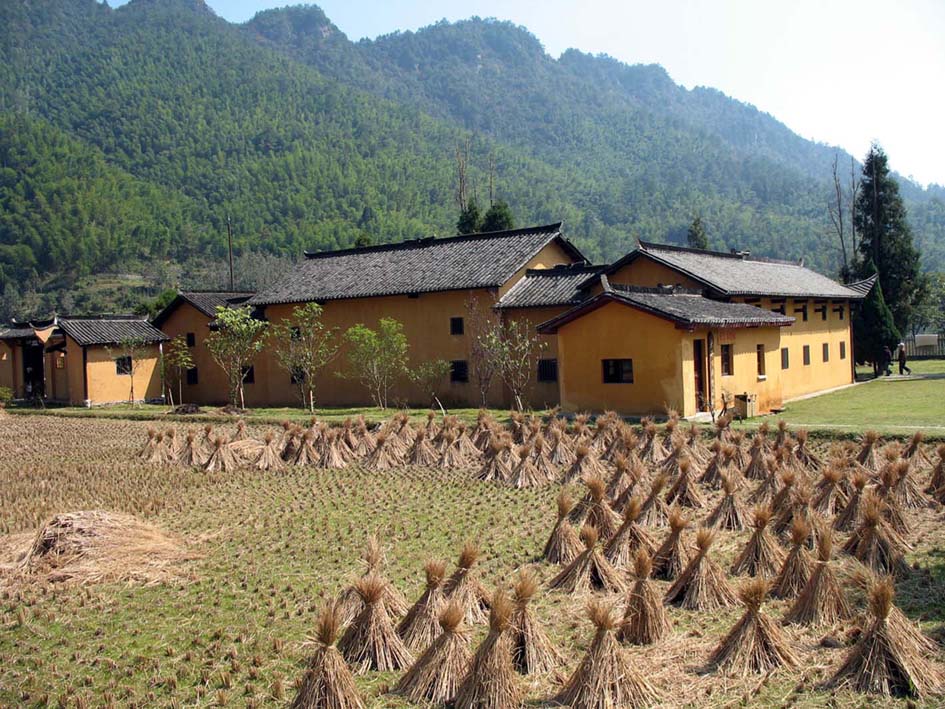
One of the most important attractions in Jinggangshan is Mao Zedong’s Former Residence, located in Ciping, the center of the former revolutionary base.
The simple house, featuring mud walls and a tiled roof, is surrounded by green bamboo and tall pine trees, reflecting the humble living conditions of the revolutionary period.
From October 1927 to January 1929, Mao Zedong lived and worked here during the early period of the Jinggangshan revolutionary base. Later, after Mao and Zhu De moved their forces to southern Jiangxi, the residence was damaged during military conflicts.
In 1961, the former residence was restored to its original appearance and opened to visitors. Today, it remains an important historical site where travelers can learn about the early revolutionary activities in Jinggangshan.
Jinggangshan Revolutionary Museum
Located in Ciping Town, the Jinggangshan Revolutionary Museum is another major attraction for visitors interested in Chinese modern history.
Founded in 1959, it was the first local revolutionary museum established in China. The museum houses more than 800 valuable historical relics and approximately 2,000 replicas, presenting the history of the Jinggangshan revolutionary period through documents, photographs, artifacts, and exhibitions.
Among the notable exhibits are:
* The oil lamp and inkstone used by Mao Zedong while writing “Struggle in Jinggangshan”
* The shoulder pole used by Zhu De to transport supplies
* Historical documents and personal belongings of revolutionary figures
Through these exhibits, visitors can gain a deeper understanding of the hardships, determination, and achievements of the early revolutionary movement.
A Mountain Landscape with Unique Geological Features
Jinggangshan features a distinctive mountainous landscape with high peaks, deep valleys, and layered terrain. The area is characterized by a central highland surrounded by lower mountain areas, creating dramatic scenery and diverse ecosystems.
The name “Jinggang” comes from the local landscape:
* “Jing” means a well
* “Gang” means a mountain ridge
The name reflects the many basin-like valleys surrounded by mountain ridges in the region.
With numerous scenic spots spread across the mountain area, visitors can travel conveniently between attractions by local transportation and explore the different landscapes of Jinggangshan.
Five Fingers Peak: The Symbol of Jinggangshan
Five Fingers Peak (Wuzhifeng) is the highest and one of the most famous peaks in the Jinggangshan mountain range.
The peak is named because its five separate ridges resemble five extended fingers reaching toward the sky. Rising dramatically above the surrounding landscape, it is widely regarded as one of the most spectacular natural sights in Jinggangshan.
The area around Five Fingers Peak remains largely untouched, with dense forests providing a habitat for various wildlife species, including:
* Rhesus monkeys
* Sambar deer
* Yellow-bellied tragopans
Visitors can enjoy the best views from the sightseeing platform opposite the peak. From there, travelers can admire the towering cliffs, winding rivers, waterfalls, and sea of clouds surrounding the mountain.
Five Fingers Peak is also designated as a nature reserve of Jiangxi Province, protecting its unique ecological environment.
Dragon Pool Waterfalls: A Valley of Cascading Beauty
Located in Jinggangshan, Dragon Pool Waterfalls (Longtan Waterfall Group) is famous for its series of beautiful waterfalls and crystal-clear pools.
Before reaching the waterfalls, visitors can often hear the powerful sound of rushing water echoing through the valley.
The main waterfalls include:
* Jade Waterfall – flowing into the clear Jade Pool
* Lock Dragon Waterfall – famous for its unique dragon-like shape
* Pearl Waterfall – where water splashes against rocks and creates thousands of sparkling droplets
* Flying Phoenix Waterfall
* Maiden Waterfall
Surrounded by unique rock formations, mountain peaks, and forest scenery, Dragon Pool offers a refreshing experience for nature lovers and photographers.
Huangyangjie: A Historic Revolutionary Site
Huangyangjie Pass is one of the most famous historical sites in Jinggangshan and was one of the five important military strongholds during the revolutionary period.
The area preserves several historical attractions, including:
* Huangyangjie Defense Monument
* Former residences of revolutionary leaders
* Former military trenches
* Shangjing Red Army Mint
The Huangyangjie Defense Monument features inscriptions by Mao Zedong and Zhu De, commemorating the historical events that took place here.
Visitors can also explore the former Shangjing Red Army Mint, where historical equipment, tools, and materials used for currency production are preserved. The site provides insight into the economic and social conditions of the revolutionary base during that period.
Why Visit Jinggangshan Mountain?
Jinggangshan is a unique destination where natural beauty, cultural heritage, and revolutionary history come together. Its peaceful mountains, fresh air, historic sites, and rich cultural atmosphere make it one of the most meaningful travel destinations in Jiangxi Province.
For travelers interested in Chinese history, red tourism, mountain scenery, and cultural exploration, Jinggangshan offers an unforgettable experience. Visitors can enjoy breathtaking landscapes while discovering the stories preserved in this important historical region.
Unlike many traditional mountain destinations, Jinggangshan allows visitors to experience both:
* Revolutionary heritage sites and historical memories
* Beautiful mountain landscapes and outdoor scenery
With its impressive peaks, waterfalls, forests, and historic landmarks, Jinggangshan is an ideal destination for travelers interested in:
* Chinese history
* Mountain scenery
* Hiking and photography
* Cultural exploration
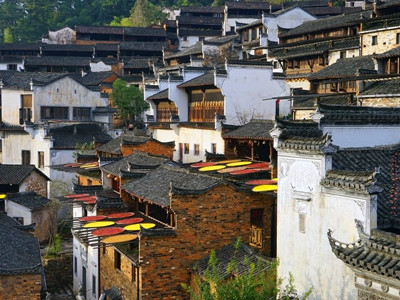
Often combined with other Jiangxi attractions such as Nanchang, Tengwang Pavilion, Lushan Mountain, and Wuyuan Ancient Villages, Jinggangshan is an excellent destination for travelers seeking a deeper understanding of China’s natural and cultural heritage.