




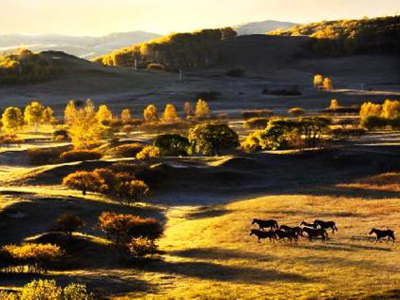
Travel guide of Qinghai in Autumn, including Dalong Valley, Guide National Geopark, Huzhu Beishan Forest, Golmud Poplar Forest and Xining Botanical Garden.......
Xining Tours
Xining is located on the eastern edge of Qinghai-Tibet Plateau and the upper reaches of Huangshui River. It is the political, economic, scientific and technological, cultural and traffic center of Qinghai Province with an average altitude of over 2,200 meters (about 7,217 feet). The activities of human beings in this region can be traced to 2,100 years ago.During the Western and Eastern Han Dynasties, owing to its developing agriculture, Xining was paid more attention due to its economic and martial significance. As well as being the important hinge between the central plains and the western part of China in ancient time, Xining was the most common passing channel of the famous Silk Road. Until now, it is still the only road by which to enter the hinterland of the Qinghai-Tibet Plateau.Ta'er monastery is located in a narrow valley close to the village of Lusar, and about seventeen miles southwest of Xining. It is a Buddhist monastery part of the historical Tibetan province of Amdo, now in Qinghai province of China. It was there in the former that Tsongkhapa, the founder of the Gelugpa (Yellow Hat) sect of Tibetan Buddhism was born in 1357 and was later founded in 1583. Its superior monastery is Drepung, immediately to the west of Lhasa. It was ranked in importance as second only to Lhasa.Qinghai Lake is a saline lake situated in the province of Qinghai, and is the largest lake in China. The names Qinghai and Kokonor both mean "Blue/Teal Sea" in Standard Mandarin and Mongolian. It is located about 100 kilometers (62 mi) west of the provincial capital of Xining at 3,205 m (10,515 feet) above sea level in a depression of the Tibetan Plateau in the traditional Tibetan province of Amdo. twenty-three rivers and streams empty into Qinghai Lake, most of them seasonal. Five permanent streams provide 80% of total influx.
Why make tour in Xining?
Xining, the capital of Qinghai Province, is a fascinating gateway to the Tibetan Plateau, where Tibetan, Hui, and Han cultures meet amid dramatic highland landscapes. Located along the historic routes connecting central China with Tibet and Central Asia, Xining offers a distinctive combination of Tibetan Buddhist heritage, Islamic architecture, colorful ethnic traditions, and spectacular natural scenery. It is also an ideal starting point for exploring Qinghai Lake, vast grasslands, and the remote beauty of the Qinghai–Tibet Plateau.
8 Reasons to Visit Xining
1. Visit the Famous Kumbum Monastery
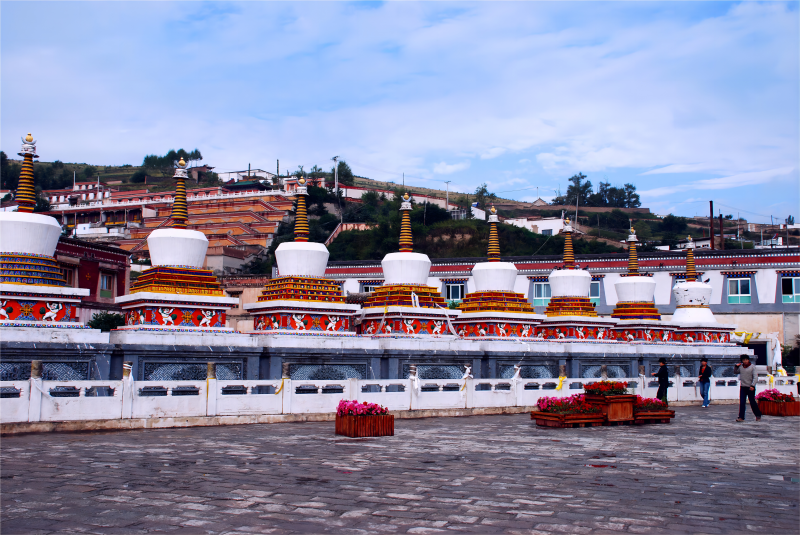
Explore Kumbum Monastery (Ta'er Monastery), one of the most important monasteries of Tibetan Buddhism and a major center of the Gelug school. Admire its golden rooftops, intricate murals, butter sculptures, and traditional Tibetan architecture while learning about the region's rich religious heritage.
2. Discover the Stunning Beauty of Qinghai Lake
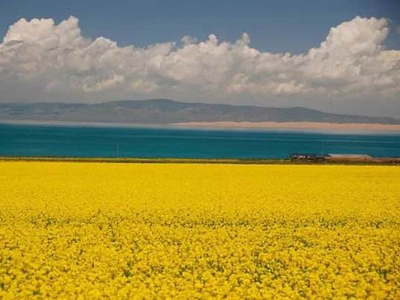
Take a scenic excursion to Qinghai Lake, China's largest inland saltwater lake. Its deep-blue waters, surrounding grasslands, distant mountains, and seasonal fields of yellow rapeseed flowers create breathtaking scenery, particularly in summer.
3. Experience Tibetan and Multi-Ethnic Culture
Xining is a cultural crossroads where Tibetan, Hui, Mongolian, and Han traditions coexist. Discover traditional handicrafts, regional festivals, local markets, and distinctive cuisines while gaining insight into the diverse communities of the Qinghai–Tibet Plateau.
4. Admire the Architecture of Dongguan Mosque
Visit Dongguan Mosque, one of the largest and most important mosques in northwestern China. Its combination of traditional Chinese architectural elements and Islamic design reflects Xining's long history as a meeting point of cultures and trade routes.
5. Explore the Majestic Landscapes of the Tibetan Plateau
Use Xining as a base for journeys through high-altitude grasslands, snow-capped mountains, and expansive pastoral landscapes. Along the way, you may see grazing yaks and sheep, traditional Tibetan settlements, and wide-open skies that make this region especially appealing to photographers and nature lovers.
6. Taste the Flavors of Northwestern China
Enjoy Xining's distinctive food culture, influenced by Tibetan and northwestern Chinese traditions. Popular specialties include hand-pulled beef noodles, yak meat, mutton dishes, yogurt, and momo dumplings. The city's night markets are particularly good places to sample local snacks and experience everyday life.
7. Discover the Historic Routes to Tibet
Xining has long been an important gateway between inland China and the Tibetan Plateau. It is a major starting point for the Qinghai–Tibet Railway journey toward Lhasa, offering travelers an opportunity to experience the gradual transition from city landscapes to vast high-altitude wilderness.
8. Explore the Wider Qinghai Region
With extra time, venture beyond the city to discover the vast grasslands, striking salt lakes, and remote landscapes of Qinghai. Destinations such as Chaka Salt Lake and the Qilian Mountains offer rewarding extensions for travelers seeking photography, outdoor adventure, and less-visited corners of western China.
Xining Tour Photoes:



More Xining tours products below, and please contact us for customized Xining tour service.
Xining Tours
Tours and Activities
-
 RECOMMENDEDTaer Monastery and Qinghai Lake Two Days TourFrom:$354.00
-
 RECOMMENDEDQinghai tour of Xining Tongren and YushuFrom:$1813.00
-
 RECOMMENDEDXining, Tongren & Xiahe Five-day TourFrom:$626.00
-
 RECOMMENDEDXining and Tongren TourFrom:$694.00
-
 RECOMMENDEDFull-Day Qinghai Lake Exploration TourFrom:$132.00
-
 Xining Dongguan Mosque One-day TourFrom:$85.00
Recommended Attractions
Qinghai Lake
Travel guide of Qinghai lake, including how to experience sunrise over Qinghai Lake at Heimahe Township.......

Wencheng Princess Monastery
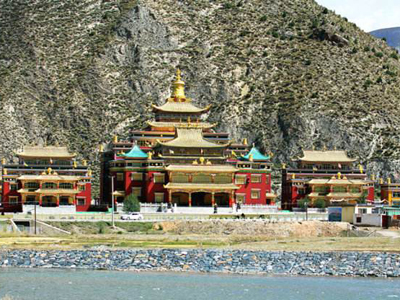
Visit Wencheng Princess Monastery in Yushu Qinghai, a 1,300-year-old Tibetan Buddhist temple linked with Princess Wencheng and famous for its sacred Maha Vairochana Buddha statue.......
Explore places you want to visit here

- Beijing Tours
- Beihai Tours
- Chengdu Tours
- Chongqing Tours
- Changsha Tours
- Chaozhou Tours
- Dali Tours
- Dalian Tours
- Dunhuang Tours
- Datong Tours
- Enshi Tours
- Fuzhou Tours
- Guilin Tours
- Guiyang Tours
- Guangzhou Tours
- Haerbin Tours
- Hangzhou Tours
- Hohhot Tours
- Hulun Buir Tours
- HongKong Tours
- Huangshan Tours
- Jilin Tours
- Jiangxi Tours
- Jinan Tours
- Jinggangshan Tours
- Jiuzhaigou Tour
- Kashgar Tours
- Kaifeng Tours
- Kaili Tours
- Kunming Tours
- Lanzhou Tours
- Lijiang Tours
- Luoyang Tours
- Nanchang Tours
- Nanjing Tours
- Putuoshan Tours
- Pingyao Tours
- Qinghai Tours
- Qingdao Tours
- Qinhuangdao Tours
- Sanya Tours
- Shanghai Tours
- Shenyang Tours
- Shandong Tours
- Suzhou Tours
- Shenzhen Tours
- Shangri-La Tours
- Tibet Tours
- Tianshui Tours
- Tianjin Tours
- Taiyuan Tours
- Urumqi Tours
- Wuyishan Tours
- Wutaishan Tours
- Wudangshan Tours
- Wuhan Tours
- Xiamen Tours
- Xishuangbanna Tours
- Xi'an Tours
- Xining Tours
- Xinjiang Tours
- Xingyi Tours
- Yinchuan Tours
- Yichang Tours
- Yunnan Tours
- Zhangjiajie Tours
- Zhanjiang Tours
- Zhangye Tours
Don’t Find the Favorate one?
Here, write down your interests and special requirements,
our tour expert will offer you the best advice.
Now get started your adventure in China!

