 Meili Snow Mountain, also known as Prince Snow Mountain, is one of the most spectacular mountain ranges in Yunnan Province, southwestern China. Located about 10 kilometers northeast of Deqin County in Diqing Tibetan Autonomous Prefecture, the mountain lies near the border between Yunnan and Tibet.
As an important part of the Three Parallel Rivers of Yunnan Protected Areas, a UNESCO World Heritage Site, Meili Snow Mountain is famous for its magnificent snow-covered peaks, glaciers, deep valleys, and rich Tibetan cultural traditions.
With its dramatic landscapes and sacred status in Tibetan Buddhism, Meili Snow Mountain is considered one of the most impressive natural and cultural destinations in Yunnan.
The Magnificent Peaks of Meili Snow Mountain
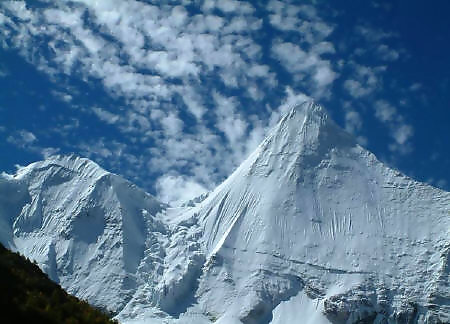
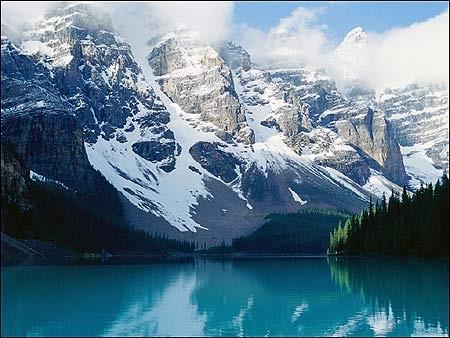
Meili Snow Mountain is known for its spectacular chain of snow-covered peaks. Among its many summits, 13 peaks rise above 6,000 meters above sea level, creating one of the most impressive mountain landscapes in Yunnan.
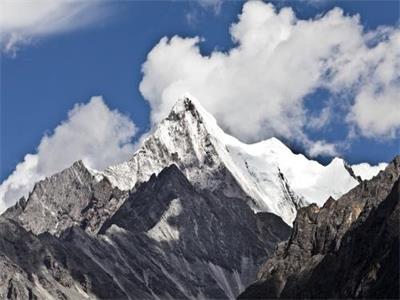
The highest and most famous peak is Kawagarbo Peak (Kawagebo Peak), which reaches an altitude of approximately 6,740 meters. It is the highest mountain in Yunnan Province and one of the most iconic peaks in southwestern China.
Unlike many famous mountains around the world, Kawagarbo has never been successfully climbed. The combination of extreme altitude, unpredictable weather, glaciers, and its sacred status among local Tibetan communities has made it a mountain of both natural challenge and spiritual significance.
The Stunning Scenery of Meili Snow Mountain
Meili Snow Mountain offers breathtaking views from many locations. The endless mountain ridges, snow-covered summits, and changing clouds create some of the most beautiful alpine scenery in Yunnan.
One of the best places to admire the panoramic view of the mountain range is Feilai Temple (Feilai Temple Viewing Platform), located west of Deqin County. From here, visitors can enjoy a spectacular view of the 13 snow peaks, especially at sunrise when the first rays of sunlight illuminate the snowy summits.
On clear mornings, the famous “Golden Sunrise on Meili Snow Mountain” creates a golden glow over Kawagarbo Peak, making it one of the most unforgettable sights in Yunnan.
However, Meili Snow Mountain is also famous for its mysterious atmosphere. The mountain is often surrounded by clouds and mist, creating a constantly changing landscape that reveals and hides the peaks throughout the day.
Mingyong Glacier: A Rare Low-Altitude Glacier
One of the most remarkable natural features of Meili Snow Mountain is Mingyong Glacier, which originates from the Kawagarbo Peak area and extends down the mountain valley.
Unlike many glaciers located only at extremely high elevations, Mingyong Glacier reaches a relatively low altitude, descending toward the forest zone at around 2,700 meters above sea level.
The glacier stretches approximately 4 kilometers and is surrounded by forests, valleys, and alpine landscapes. From a distance, the glacier resembles a giant white ribbon flowing between green mountains.
The unique combination of glaciers, forests, and lower-altitude ecosystems makes Mingyong Glacier one of the most distinctive natural attractions in Yunnan.
 The Holy Mountain of Tibetan Buddhism
Meili Snow Mountain holds deep spiritual importance for Tibetan Buddhist communities. The main peak, Kawagarbo, is regarded as a sacred mountain and is traditionally worshipped as a holy mountain deity.
The Tibetan name Kawagarbo means “white snow mountain” and represents purity, strength, and spiritual protection.
Every year, especially during late autumn and winter, pilgrims from Tibet, Sichuan, Qinghai, Gansu, and other Tibetan cultural regions travel to Meili Snow Mountain to complete religious pilgrimages and offer prayers.
The sacred status of Kawagarbo adds another layer of cultural meaning to the mountain, making it not only a natural landmark but also an important spiritual destination.
Rich Biodiversity and Alpine Ecosystems
Because of its dramatic changes in elevation, Meili Snow Mountain contains several different climate zones, ranging from warm valleys to high-altitude alpine environments.
The mountain area supports diverse ecosystems, including:
* Alpine grasslands
* Coniferous forests
* Evergreen broad-leaved forests
* Glacial landscapes
* Rare wildlife habitats
Between approximately 2,000 and 4,000 meters above sea level, forests of spruce and other mountain plants cover the slopes. These forests provide habitats for many birds and animals.
During spring and summer, alpine meadows around the mountain become covered with colorful wildflowers, creating a beautiful contrast with the snow-covered peaks.
Main Attractions of Meili Snow Mountain
The Meili Snow Mountain Scenic Area includes several famous viewpoints and natural attractions.
Feilai Temple Viewing Platform
Feilai Temple is one of the most popular places to admire the panoramic view of Meili Snow Mountain. Visitors often come early in the morning to photograph the sunrise over Kawagarbo Peak.
The viewpoint provides one of the best opportunities to see the entire mountain range, including the famous 13 snow peaks.
Kawagarbo Peak
Kawagarbo Peak is the highest mountain in Yunnan Province and the spiritual center of Meili Snow Mountain.
Standing at approximately 6,740 meters above sea level, the pyramid-shaped peak dominates the surrounding landscape. It is considered one of the most sacred mountains in Tibetan Buddhism.
Because of its challenging conditions and religious significance, Kawagarbo remains a symbol of nature’s power and mystery.
Mingyong Glacier
Mingyong Glacier is one of the most accessible glaciers in the region and one of the highlights of a visit to Meili Snow Mountain.
Visitors can hike through forests and mountain landscapes to experience views of the glacier, surrounding valleys, and traditional Tibetan villages.
Ice Lake and Sacred Waterfall
The Ice Lake area offers beautiful alpine scenery with glaciers, lakes, forests, and snow-covered mountains.
Another famous attraction is the Sacred Waterfall, a waterfall associated with Tibetan religious traditions. During sunny weather, sunlight reflecting through the falling water often creates beautiful rainbows.
Best Time to Visit Meili Snow Mountain
The best time to visit Meili Snow Mountain is generally from October to May, when the weather is relatively dry and visibility is often better.
Autumn and early winter are especially popular because the skies are usually clearer, offering better chances to see Kawagarbo Peak.
Summer brings more rainfall and cloudy weather, but the surrounding forests and grasslands become lush and green.
Because of the high altitude, temperatures can change quickly. Visitors should prepare warm clothing even during warmer seasons.
Travel Experience at Meili Snow Mountain
Meili Snow Mountain offers much more than impressive scenery. It combines dramatic mountain landscapes, ancient glaciers, Tibetan Buddhist traditions, and unique local cultures.
From watching sunrise over Kawagarbo Peak at Feilai Temple to exploring Mingyong Glacier and experiencing Tibetan pilgrimage traditions, a journey to Meili Snow Mountain provides one of the most unforgettable travel experiences in Yunnan.
For travelers exploring Shangri-La and northwestern Yunnan, Meili Snow Mountain is a destination where nature, culture, and spirituality come together.