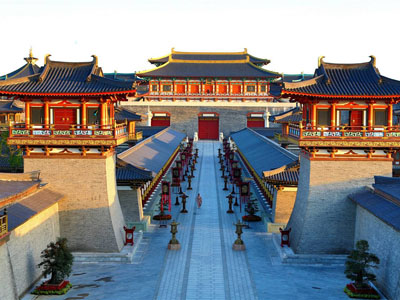
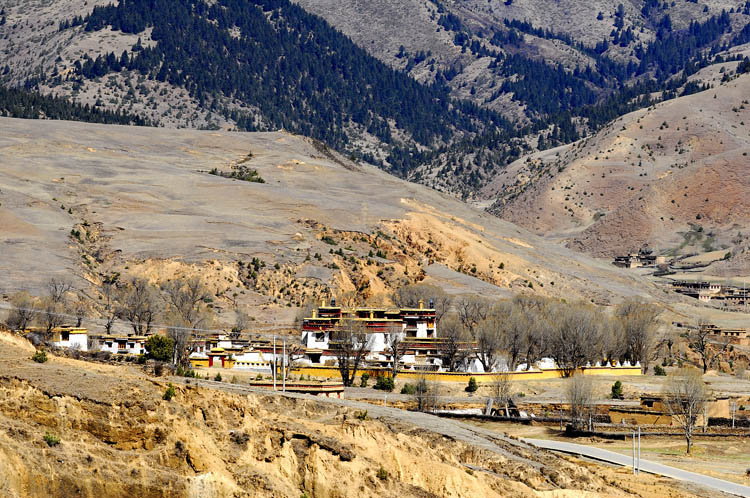
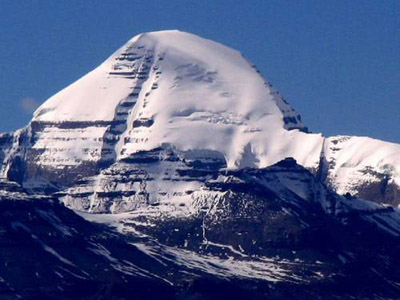
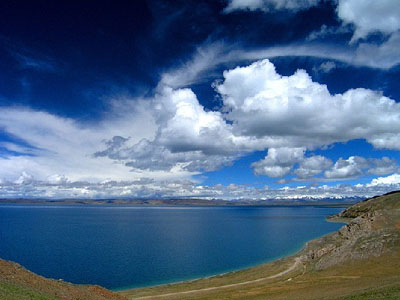
Located in the heart of the Garze Tibetan Autonomous Prefecture, Litang Changqingchun Ke'ersi Monastery is the largest monastery in Southern Kham area, sitting at an altitude of approximately 4,014 meters above sea level. Surrounded by vast green grasslands, rolling hills, snow-covered mountains, and traditional Tibetan stone houses, Litang offers travelers an authentic glimpse into the unique culture and landscapes of Kham Tibet.
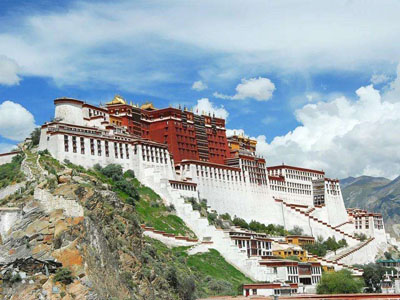
Known as the “City of the Sky” due to its extreme elevation, Litang Monastery stands about 350 meters higher than Lhasa. The monastery’s remote location once made it difficult to access, with the historic route mainly following the Chengdu–Lhasa Highway. Although the journey from Chengdu requires long hours of travel through dramatic mountain landscapes, the spectacular scenery and distinctive Tibetan atmosphere make Litang a rewarding destination for adventurous travelers.
Tibetan Buddhist Heritage of Litang
Litang has played an important role in the religious history of the Kham Tibetan region. Before the late 16th century, the area was closely associated with the Kagyupa school of Tibetan Buddhism. In 1640, after Gushri Khan’s Mongol forces supported the rise of the Gelugpa school, Litang Monastery became one of the most influential Gelugpa monasteries in Kham, alongside major monasteries in Chamdo and Garze.
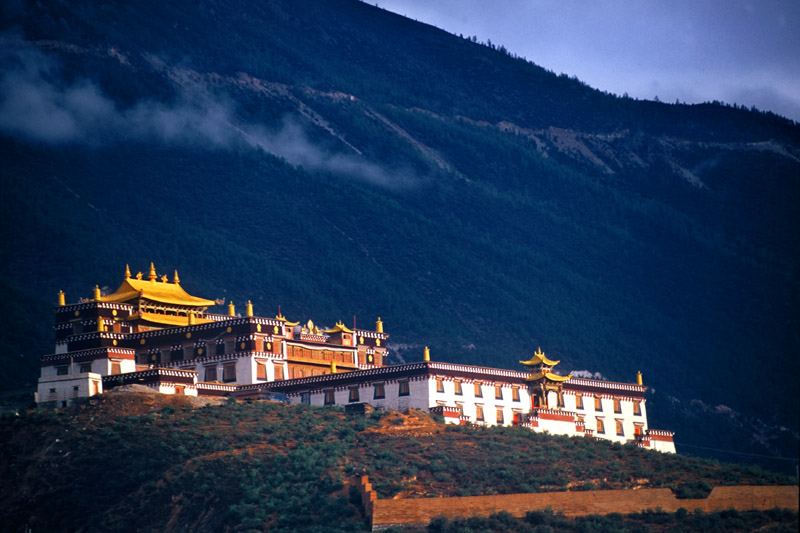
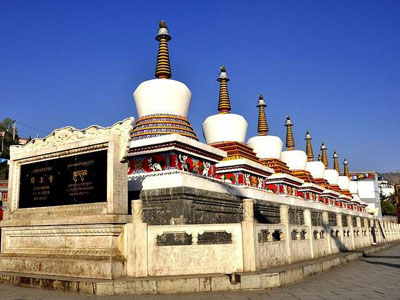
Founded in 1580 under the guidance of the 3rd Dalai Lama, Litang Monastery is a magnificent Tibetan Buddhist complex overlooking the valley. After years of restoration, the monastery once again showcases its impressive architecture, religious traditions, and cultural significance. Today, it remains the spiritual center of the town and is home to hundreds of monks.
The monastery complex consists of two main sections. The lower temple is more active in daily religious activities, while the upper temple is older and connected with the visit of the 4th Dalai Lama more than 400 years ago. Both temples suffered damage during the Cultural Revolution but have since been restored. Visitors are especially encouraged to come in the morning, when monks gather for chanting, meditation, and religious ceremonies.
Experience Authentic Kham Tibetan Culture
Walking through Litang’s streets feels like stepping into the heart of traditional Kham Tibetan culture. The town’s markets and streets bring together Tibetan Buddhist monks wearing crimson robes, Khampa horsemen dressed in traditional yak-skin clothing, local residents, and merchants from different backgrounds.
The Tibetan population forms the majority of Litang’s community, making it one of the best places in Sichuan to experience traditional Tibetan customs. Visitors can explore local neighborhoods, admire Tibetan-style homes, taste yak butter tea and barley wine, and learn about the lifestyle of Tibetan nomads.
A walk around the town in the afternoon provides opportunities to observe local life, from Khampa men gathering in the streets to families preparing supplies for pastoral journeys. Hiking to the surrounding hills also offers excellent views of yak herds grazing across the high-altitude grasslands.
Attractions Around Litang
Jiage Shenshan Lamasery
Located about 18 kilometers south of Litang on the road toward Daocheng, Jiage Shenshan Lamasery is a unique religious site surrounded by natural beauty. According to local beliefs, sacred Tibetan khatas (white silk scarves symbolizing blessings and respect) have naturally appeared on the cliff face in the image of Guanyin, the Buddhist Bodhisattva of Compassion.
Visitors can hike around the cliff and enter a small cave where pilgrims leave offerings, creating a peaceful and spiritual experience away from the town.
Litang Hot Springs
About 5 kilometers west of Litang along the road toward Batang are local hot springs where visitors can relax after exploring the high plateau. The hot spring water is supplied to bathing facilities, offering a simple but enjoyable experience surrounded by mountain scenery.
Litang Horse Racing Festival
The best time to visit Litang is generally in August, when the famous Litang Horse Racing Festival takes place. Usually held during the seventh month of the Tibetan calendar, the festival features traditional horse racing, Tibetan singing and dancing, cultural performances, and gatherings of nomadic communities from across the region.
The festival provides one of the best opportunities to witness the traditional spirit of Kham Tibet, with riders demonstrating their equestrian skills while wearing colorful traditional clothing.
Travel to Litang
With its breathtaking plateau scenery, ancient monasteries, and preserved Tibetan traditions, Litang is an ideal destination for travelers interested in Tibetan culture, high-altitude landscapes, and off-the-beaten-path adventures. A visit to Litang offers a rare opportunity to experience the authentic lifestyle of western Sichuan’s Tibetan communities.