




search for a Trip
Jiuhua Mountain
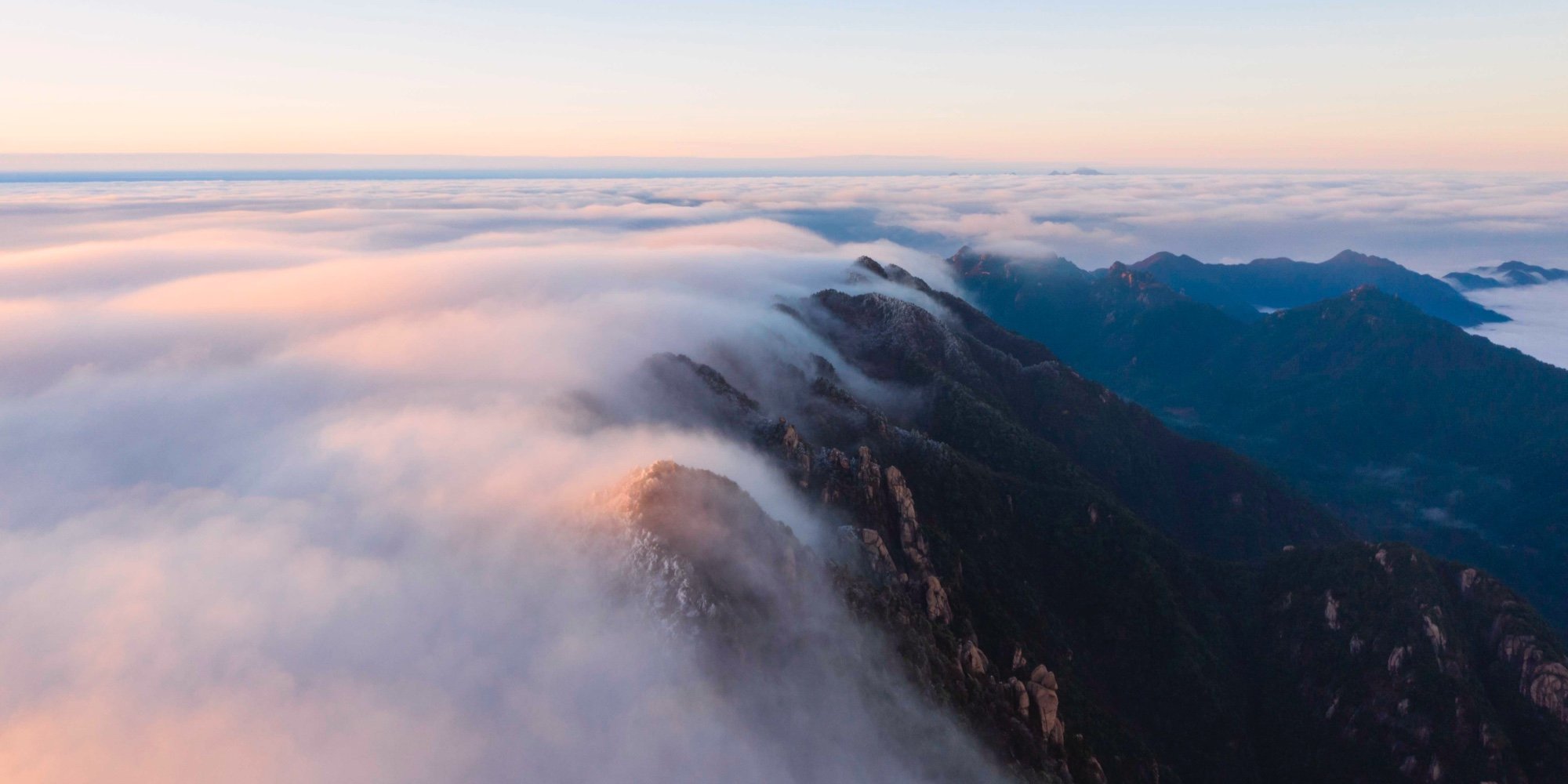
Mount Jiuhua (Jiuhuashan), located in Qingyang County, Chizhou City, Anhui Province, is one of the Four Sacred Buddhist Mountains of China and one of the most important Buddhist pilgrimage destinations in the country.
Known as the “No. 1 Mountain in Southeast China,” Mount Jiuhua is famous for its beautiful mountain scenery, ancient temples, and deep Buddhist traditions. Combining natural landscapes with centuries of religious heritage, it is an ideal destination for travelers interested in Chinese Buddhism, history, architecture, and culture.
Originally called Jiuzi Mountain (Nine Peaks Mountain), the mountain was named after its nine main peaks, which were believed to resemble nine brothers standing together. Later, the mountain became known as Jiuhua Mountain because of its beautiful scenery and poetic associations.
In Chinese Buddhism, Mount Jiuhua is traditionally regarded as the sacred bodhimaṇḍa (place of enlightenment) of Kṣitigarbha Bodhisattva (Dizang Bodhisattva), a figure representing compassion, filial devotion, and perseverance.
Buddhist Heritage of Mount Jiuhua
With Huacheng Temple as its spiritual center, Mount Jiuhua has developed into one of China’s most important Buddhist mountains. The area is home to more than 80 temples and monasteries, many of which have a history spanning hundreds of years.
The mountain’s temples combine traditional Chinese Buddhist architecture with the natural beauty of forests, cliffs, and peaks, creating a peaceful atmosphere for pilgrimage and sightseeing.
The most famous temples on Mount Jiuhua include:
* Huacheng Temple
* Dongya Temple (East Cliff Temple)
* Ganlu Temple (Sweet Dew Temple)
* Baisui Palace (Centenarian Palace)
* Zhiyuan Temple
* Tiantai Temple
* Yuetan Temple
* Huiju Temple
* Cuifeng Temple
* Chaoyin Hermitage
Each temple has its own history, legends, and cultural significance.
Huacheng Temple: The Spiritual Center of Jiuhua Mountain
Huacheng Temple is considered the oldest and most important temple on Mount Jiuhua. Originally founded during the Tang Dynasty, it has long served as the religious center of the mountain.
The temple is closely associated with Kim Gyo-gak (Jin Qiaojue), a prince from the ancient Korean Kingdom of Silla who traveled to China and devoted his life to Buddhist practice on Mount Jiuhua.
According to Buddhist tradition, after his death, Jin Qiaojue was regarded as the earthly manifestation of Kṣitigarbha Bodhisattva because of his compassion, dedication, and spiritual achievements.
Today, Huacheng Temple remains an important pilgrimage site where Buddhist followers come to pay respect and experience the spiritual atmosphere of Jiuhua Mountain.
Dongya Temple (East Cliff Temple)
Dongya Temple is one of the historic temples on Mount Jiuhua and has traditionally been an important place for Buddhist study and practice.
Located in a scenic mountain environment, the temple combines religious architecture with spectacular views of the surrounding peaks and valleys.
The peaceful surroundings make Dongya Temple a popular destination for visitors seeking both cultural exploration and quiet reflection.
Ganlu Temple (Sweet Dew Temple)
Ganlu Temple is another famous Buddhist temple on Mount Jiuhua. Surrounded by forests and mountains, the temple is known for its serene atmosphere and traditional Buddhist architecture.
The temple is associated with many historical stories and religious legends, adding to its cultural appeal.
Baisui Palace (Centenarian Palace)
Baisui Palace is famous for preserving the gilded body of the respected monk Wuxia, who lived during the Ming Dynasty.
In Chinese Buddhist tradition, preserved bodies of certain accomplished monks are regarded as important religious relics. Baisui Palace attracts many visitors interested in Buddhist culture, history, and religious traditions.
The palace’s location on the mountainside also provides beautiful views of the surrounding landscape.
Zhiyuan Temple
Zhiyuan Temple is one of the largest and most important temple complexes on Mount Jiuhua.
With its impressive halls, traditional architecture, and long Buddhist history, the temple represents the scale and importance of Jiuhua Mountain as a major center of Chinese Buddhism.
Visitors can admire the temple buildings, learn about Buddhist traditions, and experience the peaceful environment of the mountain.
Natural Beauty of Mount Jiuhua
Besides its religious significance, Mount Jiuhua is also admired for its beautiful natural scenery.
The mountain features:
* Strange rock formations
* Mist-covered peaks
* Ancient forests
* Mountain streams
* Quiet valleys
* Panoramic viewpoints
The combination of natural landscapes and Buddhist temples creates the unique character of Jiuhua Mountain.
Throughout the year, the scenery changes with the seasons. Spring brings blooming flowers, summer offers green forests and cool mountain air, autumn creates colorful landscapes, and winter often covers the peaks with snow.
Visiting Mount Jiuhua
Mount Jiuhua offers a unique opportunity to experience the combination of Chinese Buddhism, traditional architecture, and mountain scenery.
Whether walking through ancient temple courtyards, exploring historic Buddhist sites, enjoying peaceful mountain views, or learning about Kṣitigarbha Bodhisattva traditions, visitors can discover the deep cultural significance of this sacred mountain.
For travelers exploring Anhui Province, Mount Jiuhua is one of the most important destinations for understanding China’s religious heritage and traditional culture.
Mount Jiuhua is not only a beautiful mountain landscape but also a living center of Chinese Buddhist traditions that have continued for centuries.
China Attractions Guide
- Anhui Attractions
- Beijing Attractions
- Chongqing Attractions
- Fujian Attractions
- Gansu Attractions
- Guangdong Attractions
- Guangxi Attractions
- Guizhou Attractions
- Hainan Attractions
- Henan Attractions
- Hongkong Attractions
- Hubei Attractions
- Hunan Attractions
- Heilongjiang Attractions
- Inner Mongolia Attractions
- Jiangsu Attractions
- Jilin Attractions
- Jiangxi Attractions
- Liaoning Attractions
- Manchuria Attractions

